 32 citations
,
August 2019 in “Nature Communications”
32 citations
,
August 2019 in “Nature Communications” Chemotherapy causes permanent hair follicle damage by triggering stem cell loss.
 52 citations
,
October 2010 in “Antiviral Therapy”
52 citations
,
October 2010 in “Antiviral Therapy” New treatments for Hepatitis C show promise but need more research to confirm their safety and effectiveness for clinical use.
 3 citations
,
November 2018 in “Oncology issues”
3 citations
,
November 2018 in “Oncology issues” Cancer survivors often experience worse skin problems from treatment than expected, and working with dermatologists could help improve their condition.
 5 citations
,
February 2019 in “bioRxiv (Cold Spring Harbor Laboratory)”
5 citations
,
February 2019 in “bioRxiv (Cold Spring Harbor Laboratory)” Rapamycin may help treat Leigh syndrome by targeting protein kinase C.
 July 2025 in “Pakistan Journal of Intensive Care Medicine”
 Clobetasol propionate 0.05% ointment is more effective than tacrolimus 0.1% ointment for treating alopecia areata.
 March 2005 in “Journal of The American Academy of Dermatology”
 Diphencyprone treatment protocols could be simplified as no harm occurred despite not fully following them.
 June 2026 in “Digital Commons - PCOM (Philadelphia College of Osteopathic Medicine)”
 Mitoquinone protects heart cells from doxorubicin damage and slightly boosts its effect on prostate cancer cells.
March 2024 in “Preprints.org” Activated protein C helps protect mice from radiation damage.
 13 citations
,
July 2011 in “Journal of Dermatological Treatment”
13 citations
,
July 2011 in “Journal of Dermatological Treatment” Clobetasol and pimecrolimus are similarly effective for alopecia areata, but pimecrolimus has fewer side effects and is preferred for long-term use.
 February 2024 in “Scientific Reports”
 Topical minoxidil and dietary supplements improved hair regrowth in children with hair loss from chemotherapy.
3 citations
,
November 2024 in “Viruses” Cepharanthine may help treat Equid herpesvirus type 8 by reducing oxidative stress.
87 citations
,
January 1996 in “Journal of cellular biochemistry” Over 30 potential cancer prevention treatments are being tested, with some showing promise in early research.
 53 citations
,
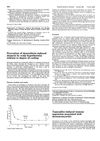
June 1982 in “The BMJ”
53 citations
,
June 1982 in “The BMJ” Cooling the scalp below 22°C before and during chemotherapy can help prevent hair loss.
 April 2017 in “Journal of Investigative Dermatology”
 Applying pseudoceramide improved skin and hair health.
56 citations
,
January 2004 in “Journal of the American Academy of Dermatology” Cyclosporine can cause a unique skin condition called "cyclosporine-induced folliculodystrophy."
September 2023 in “Journal of the American Academy of Dermatology” CTP-543 is generally safe for treating alopecia areata.
 July 2025 in “Pharmaceuticals”
 Phenobarbital-loaded chitosan nanoparticles are promising for preventing hair loss from chemotherapy.
 April 2023 in “Journal of Investigative Dermatology”
 Keeping human skin stem cells is easier with low temperatures and mTOR inhibition.
65 citations
,
February 2011 in “Molecular cancer therapeutics” CCT128930 is a promising new drug that effectively targets and inhibits a cancer-related protein, showing potential for cancer treatment.
 June 2023 in “British Journal of Dermatology”
 Coinheritance of BRCA2 and CYLD genes may lead to new treatment options for certain cancers.
 1 citations
,
January 2018 in “Springer eBooks”
1 citations
,
January 2018 in “Springer eBooks” The document concludes that scalp cooling and treatments like minoxidil can help manage hair loss from cancer therapy.
 September 2012 in “International Current Pharmaceutical Journal”
 CHOP chemotherapy causes many side effects but is generally well tolerated.
5 citations
,
September 2024 in “Journal of Clinical Medicine” Scalp cooling effectively reduces hair loss in breast cancer patients undergoing chemotherapy.
44 citations
,
May 2023 in “MedComm” PROTAC technology shows promise for cancer treatment but needs more effective E3 ligase recruiters.
The hydrogels show promise for targeted cervical cancer treatment but need more testing.
 44 citations
,
November 2010 in “Current Opinion in Supportive and Palliative Care”
44 citations
,
November 2010 in “Current Opinion in Supportive and Palliative Care” Many patients find hair loss from chemotherapy very distressing, and while treatments like minoxidil and scalp cooling may help, there is no sure way to prevent it.
278 citations
,
May 2013 in “Ca” Targeted anticancer therapies can cause severe side effects similar to traditional chemotherapy, but with different types.
 1 citations
,
March 2017 in “Al-maǧallaẗ al-’irāqiyyaẗ li-l-’ulūm al-ṣaydalāniyyaẗ/Iraqi journal of pharmaceutical sciences”
1 citations
,
March 2017 in “Al-maǧallaẗ al-’irāqiyyaẗ li-l-’ulūm al-ṣaydalāniyyaẗ/Iraqi journal of pharmaceutical sciences” Nutrient antioxidants helped reduce prednisolone dosage and improved hair growth in alopecia areata patients.
1 citations
,
January 2017 in “International journal of trichology” Diphenylcyclopropenone (DPCP) effectively treated both alopecia areata and verruca vulgaris.
129 citations
,
January 1977 in “Hormone and metabolic research” Cyproterone Acetate effectively treats androgen-related conditions and is used in prostate cancer therapy and hormone therapy for transgender women.