12 citations
,
May 2016 in “British Journal of Dermatology” A 6-year-old boy's skin condition improved after stopping a specific treatment and starting new medications.
 1 citations
,
June 2023 in “Radiation oncology journal”
1 citations
,
June 2023 in “Radiation oncology journal” Low-dose radiation therapy may improve brain function in some Alzheimer's patients and is generally well-tolerated.
4 citations
,
July 2019 in “Experimental Dermatology” 2-deoxy D-glucose does not help with hair regrowth in alopecia areata.
12 citations
,
June 2017 in “Dermatologic therapy” Higher concentrations of dithranol can help regrow hair in severe alopecia areata.
 27 citations
,
May 2007 in “Archives of dermatological research”
27 citations
,
May 2007 in “Archives of dermatological research” Diphencyprone treatment increases CD8 lymphocytes in the scalp, which is associated with hair regrowth in alopecia areata patients.
 39 citations
,
August 2022 in “Cell Death and Disease”
39 citations
,
August 2022 in “Cell Death and Disease” DA-MeHA hydrogel effectively aids stem cell-based skin regeneration.
40 citations
,
September 2014 in “Journal of cosmetic and laser therapy” Transepidermal drug delivery effectively treated areata alopecia with minimal side effects.
 July 2023 in “Developmental medicine and child neurology/Developmental medicine & child neurology”
 DFMO treatment improves hair growth, muscle tone, and development in Bachmann-Bupp syndrome patients.
 September 2009 in “Annales D Endocrinologie”
 DHEA supplementation may improve quality of life, neuropsychological functions, and sexual satisfaction in individuals with adrenal insufficiency, but more research is needed to confirm its safety and effectiveness.
 February 2018 in “Journal of dermatology & cosmetology”
 Combining microdermabrasion with steroid injections improves hair regrowth in scalp alopecia areata.
May 2024 in “Journal of the Egyptian Womenʼs Dermatologic Society” Diphenylcyclopropenone is effective and safe for treating severe alopecia areata in children, with maintenance therapy reducing relapse risk.
January 2024 in “Wiadomości Lekarskie” DEC cells show promise as a safe and effective treatment for Duchenne muscular dystrophy.
21 citations
,
December 2014 in “Clinics in dermatology” Squaric acid dibutylester effectively treats alopecia areata.
 14 citations
,
August 2019 in “Clinical and Experimental Dermatology”
14 citations
,
August 2019 in “Clinical and Experimental Dermatology” Combining light therapy, acid, and microneedling improves hair regrowth in stubborn hair loss cases.
5 citations
,
August 2021 in “Frontiers in Cell and Developmental Biology” DHEA boosts bone cell growth and differentiation in elderly stem cells.
October 2021 in “Book Publisher International (a part of SCIENCEDOMAIN International)” The combination therapy of microdermabrasion and steroid injections is more effective for treating scalp Alopecia Areata than steroid injections alone.
 June 2024 in “Zagazig University Medical Journal”
 Intralesional vitamin D is mildly effective for treating Alopecia Areata.
 18 citations
,
January 1990 in “Journal of The American Academy of Dermatology”
18 citations
,
January 1990 in “Journal of The American Academy of Dermatology” Lower doses of dexamethasone can safely reduce high DHEAS levels in women with androgenic disorders.
May 2024 in “Psychotherapie Forum” Behavioral and hypnotherapy improved self-esteem but didn't regrow hair in Alopecia areata.
 1 citations
,
June 2018 in “International Journal of Dermatology”
1 citations
,
June 2018 in “International Journal of Dermatology” DNCB is highly effective for treating alopecia areata with minimal long-term side effects.
1 citations
,
January 1989 in “Carcinogenesis” Dexamethasone reduces inflammation and delays skin cell changes caused by TPA.
 4 citations
,
September 2024 in “BMC Cancer”
4 citations
,
September 2024 in “BMC Cancer” Adding dutasteride to therapy may improve treatment for advanced salivary duct cancer.
 July 2021 in “Clinical case reports and studies”
 Topical diphencyprone effectively treated a 9-year-old boy's alopecia areata with fewer side effects.
19 citations
,
January 2021 in “Journal of the American Academy of Dermatology” Dupilumab may help children with alopecia areata and atopic dermatitis regrow hair.
 March 2014 in “Human Physiology”
 DHEA improved brain function and behavior in old monkeys and had additional health benefits.
 1 citations
,
August 2022 in “Biomedicines”
1 citations
,
August 2022 in “Biomedicines” Dutasteride, usually used for prostate issues and hair loss, could potentially treat Amyotrophic Lateral Sclerosis (ALS) due to its neuroprotective, antioxidant, and anti-inflammatory properties, but more testing is needed.
 10 citations
,
January 2010 in “Acta dermato-venereologica”
10 citations
,
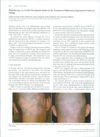
January 2010 in “Acta dermato-venereologica” Light therapy can effectively treat vitiligo and hair loss caused by a specific medication.
 2 citations
,
March 2015 in “Hepatitis Monthly”
2 citations
,
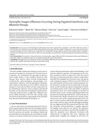
March 2015 in “Hepatitis Monthly” A woman's hair loss during Hepatitis C treatment with PEG-INF-a-2a and Ribavirin was reversible after stopping the medication.
November 2021 in “Journal of Regenerative Biology and Medicine” Vitamin D3 and anisodamine may help treat hair loss in children.
1 citations
,
September 2024 in “Journal of the American Academy of Dermatology” Farudodstat may effectively treat alopecia areata without harmful side effects.