12 citations
,
January 1987 in “Carcinogenesis” TCDD changes skin cell growth and keratin production in mice.
August 2023 in “Journal of the American Academy of Dermatology” CCCA affects Black men too, with a genetic link found in the PADI3 gene.
 13 citations
,
July 2012 in “Pigment Cell & Melanoma Research”
13 citations
,
July 2012 in “Pigment Cell & Melanoma Research” A mutation in the Adam10 gene causes freckle-like spots on Hairless mice.
75 citations
,
June 2007 in “Journal of Biological Chemistry” MT-DADMe-ImmA can selectively kill head and neck cancer cells without harming normal cells.
 2 citations
,
May 2023 in “Journal of Advanced Research”
2 citations
,
May 2023 in “Journal of Advanced Research” Two mutations in KRT74 and EDAR genes cause sheep to have finer wool.
13 citations
,
November 2018 in “Animal Genetics” A new gene variant causes curly coats in some dog breeds.
 30 citations
,
March 2019 in “Archives animal breeding/Archiv für Tierzucht”
30 citations
,
March 2019 in “Archives animal breeding/Archiv für Tierzucht” The KRTAP15-1 gene affects cashmere fiber thickness in goats.
10 citations
,
November 2019 in “Journal of the European Academy of Dermatology and Venereology” The RAS pathway affects hair growth differently in CFCS and CS.
117 citations
,
August 1999 in “Nature Genetics” May 2019 in “CINECA IRIS Institutial Research Information System (University of Genoa)” MITF+ melanoma patients are more likely to have multiple melanomas and unique skin patterns.
 July 2010 in “Journal of Investigative Dermatology”
 Scientists found gene mutations that affect hair loss, skin stem cells, and skin disorders, and identified drugs that may help treat blood vessel and skin conditions.
 March 2026 in “Journal of Personalized Medicine”
 Genetic differences affect breast cancer treatment success with tamoxifen in South African patients.
 May 2025 in “Egyptian Journal of Dermatology and Venerology”
 Certain gene changes and hormone levels are linked to female hair loss.
 1 citations
,
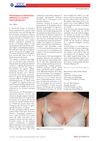
August 2012 in “Journal der Deutschen Dermatologischen Gesellschaft”
1 citations
,
August 2012 in “Journal der Deutschen Dermatologischen Gesellschaft” A woman's hyperandrogenism was caused by a genetic mutation leading to non-classic adrenogenital syndrome.
 January 2024 in “Australasian journal of dermatology (Print)”
 A boy's hair turned red because of genetic mutations, not lack of zinc.
 81 citations
,
July 2008 in “The Journal of Clinical Endocrinology and Metabolism”
81 citations
,
July 2008 in “The Journal of Clinical Endocrinology and Metabolism” Certain mutations in the H6PD gene cause Cortisone Reductase Deficiency by affecting hormone production.
20 citations
,
December 1999 in “Journal of Investigative Dermatology” Mutations in the hHb6 gene cause the hair disorder monilethrix.
1 citations
,
April 2025 in “American Journal of Medical Genetics Part C Seminars in Medical Genetics” Eflornithine improved symptoms in Bachmann–Bupp Syndrome patients.
 27 citations
,
December 2015 in “Clinical and Experimental Dermatology”
27 citations
,
December 2015 in “Clinical and Experimental Dermatology” Diphencyprone helped most patients with alopecia areata regrow some hair.
 157 citations
,
May 2021 in “Endocrine Reviews”
157 citations
,
May 2021 in “Endocrine Reviews” Early diagnosis and individualized treatment improve outcomes for Congenital Adrenal Hyperplasia.
10 citations
,
August 2023 in “The EMBO Journal” Kdm6b is crucial for skin cell differentiation.
32 citations
,
September 2013 in “Breast cancer research” A specific gene variant is linked to a higher risk of hair loss from chemotherapy in breast cancer patients.
April 2025 in “Australasian Journal of Dermatology” Daughters with affected mothers may develop frontal fibrosing alopecia early.
26 citations
,
May 2024 in “Molecular Neurodegeneration” H1 increases risk for neurodegenerative diseases, while H2 offers protection but is linked to other disorders.
July 2021 in “British Journal of Dermatology” The boy's genetic diagnosis of ectodermal dysplasia helped improve management and counseling for him and his sister.
 3 citations
,
August 2014 in “Journal of The American Academy of Dermatology”
3 citations
,
August 2014 in “Journal of The American Academy of Dermatology” Filaggrin mutations are linked to atopic dermatitis and help explain how genetics and environment affect the disease.
February 2026 in “ACS Applied Materials & Interfaces” Carbon dots from Cinnamomum burmannii leaves can promote hair growth and regeneration.
 1 citations
,
July 1997 in “The Lancet”
1 citations
,
July 1997 in “The Lancet” Scientists found a new protein, AMY117, common in Alzheimer's patients, which could be important for treatment and diagnosis.
January 2024 in “Wiadomości Lekarskie” DEC cells show promise as a safe and effective treatment for Duchenne muscular dystrophy.
29 citations
,
June 2015 in “Kidney International” Disrupting the Flcn gene in mice causes early kidney cysts and tumors, which can be treated with rapamycin.