1 citations
,
November 2022 in “Diagnostics” A woman with a rare hormone resistance condition also had missing teeth and hair loss, which might be new symptoms of her genetic disorder.
 1 citations
,
April 2025 in “Pediatria i Medycyna Rodzinna”
1 citations
,
April 2025 in “Pediatria i Medycyna Rodzinna” Restoring EDA and WNT pathways early may help improve skin, hair, and teeth issues in hypohidrotic ectodermal dysplasia.
 May 2024 in “Rossijskaâ oftalʹmologiâ onlajn”
 Early treatment with corticosteroids improved her eye condition significantly.
166 citations
,
February 2005 in “Behavioural brain research” Vitamin D receptor knockout mice have significant motor impairments but no cognitive deficits.
3 citations
,
April 2009 in “Congestive Heart Failure” Sympathetic activation and venous tone are crucial for heart failure symptoms.
 May 2019 in “Journal of the Dermatology Nurses’ Association”
 Folliculitis decalvans mainly affects middle-aged African American men and is treated with antibiotics.
July 2025 in “SVU-International Journal of Medical Sciences” Children with Vitamin D-dependent rickets type II may have severe dental issues that need a team of specialists for proper care.
 1 citations
,
April 2023 in “Canadian journal of ophthalmology”
1 citations
,
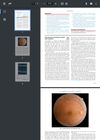
April 2023 in “Canadian journal of ophthalmology” Using a diode laser for hair removal without eye protection can cause serious eye injuries.
 September 2025 in “Dicle Medical Journal / Dicle Tip Dergisi”
 Skin issues are common in people with neurodegenerative diseases.
April 2014 in “The FASEB Journal” Iron deficiency in mothers causes hair loss in their baby mice.
 January 2023 in “Indian dermatology online journal”
 A child with ectodermal dysplasia-syndactyly syndrome has a new mutation in the NECTIN4 gene.
2 citations
,
July 2025 in “Journal of the European Academy of Dermatology and Venereology” The girl in "The Girl with a Pearl Earring" might have had alopecia areata, causing her lack of eyebrows and sparse eyelashes.
 50 citations
,
October 1986 in “European journal of pediatrics”
50 citations
,
October 1986 in “European journal of pediatrics” A boy with severe Vitamin D-resistant rickets did not respond to treatment and lacked a common symptom, suggesting a need for alternative treatments.
 9 citations
,
September 1999 in “Journal of the European Academy of Dermatology and Venereology”
9 citations
,
September 1999 in “Journal of the European Academy of Dermatology and Venereology” Skin ulcers from interferon may not depend on the amount given.
December 2024 in “Pediatrics in Review” Early detection and treatment of Menkes disease with copper injections are crucial for better outcomes.
 February 2025 in “Cermin Dunia Kedokteran”
 ADEM is a sudden brain disorder often following infection or vaccination, diagnosed by ruling out other conditions.
44 citations
,
August 2004 in “Journal of Investigative Dermatology” A gene deletion in DSG4 causes sparse hair in some Pakistani families.
 2 citations
,
December 1997 in “Journal of The American Academy of Dermatology”
2 citations
,
December 1997 in “Journal of The American Academy of Dermatology” The document concludes that doctors should monitor children's brain development when treating hemangiomas with interferon alfa and consider stopping the treatment if problems arise, while also exploring drugs that might counteract side effects.
 14 citations
,
September 2018 in “The journal of allergy and clinical immunology/Journal of allergy and clinical immunology/The journal of allergy and clinical immunology”
14 citations
,
September 2018 in “The journal of allergy and clinical immunology/Journal of allergy and clinical immunology/The journal of allergy and clinical immunology” A boy's growth and immune problems were caused by a new mutation in the STAT5B gene.
April 2019 in “The journal of investigative dermatology/Journal of investigative dermatology” A synthetic sandalwood odorant can boost antimicrobial production in hair follicles, making them more resistant to bacteria.
 January 2024 in “Wiadomości Lekarskie”
 Patients with limited English prefer professional language interpretation in otolaryngology clinics.
13 citations
,
August 2005 in “Journal of Investigative Dermatology Symposium Proceedings” Mutations in the DSG4 gene cause fragile, sparse hair in humans, mice, and rats.
January 2016 in “Zurich Open Repository and Archive (University of Zurich)” Dietary L-serine supplementation can reduce symptoms of HSAN1 by lowering harmful 1-deoxySL levels.
 September 2023 in “Journal of The American Academy of Dermatology”
 Patients with skin cancer on the scalp and ear in Mexico have specific features and results from their treatments.
 April 2023 in “Journal of Investigative Dermatology”
 Higher PD-1 levels are linked to fewer immune cells in hair follicles in alopecia areata.
December 2005 in “TSpace” Diode laser treatment effectively clears acne keloidalis nuchae.
18 citations
,
June 2017 in “Oncotarget” Digoxin is linked to a higher risk of anemia in patients with atrial fibrillation and heart failure.
 8 citations
,
September 2021 in “bioRxiv (Cold Spring Harbor Laboratory)”
8 citations
,
September 2021 in “bioRxiv (Cold Spring Harbor Laboratory)” Women, younger age, and low BMI increase the risk of long COVID symptoms.
 January 2011 in “Journal of Human Genetics”
 A Japanese patient with a rare genetic disorder had a less severe case than others, suggesting other factors may affect symptoms.
 April 2024 in “African Journal of Biological Sciences”
 The patient with lupus and Degos' disease showed significant improvement with treatment.