May 2005 in “Cancer Research” Melanoma cells lose their ability to form tumors when placed in a zebrafish embryo environment.
 October 2018 in “bioRxiv (Cold Spring Harbor Laboratory)”
 Neuronatin is found in various cells of rat tissues and has a unique location in sperm cells.
Rat liver stem cells can grow into organoids and help treat liver diseases.
 January 2015 in “Durham e-Theses (Durham University)”
 Adipose tissue changes in obesity can trigger stress in fat cells.
 207 citations
,
March 2012 in “Development”
207 citations
,
March 2012 in “Development” Skin needs dermal β-catenin activity for hair growth and skin cell multiplication.
January 1969 in “Santes Creus: Boletín del Archivo Bibliográfico de Santes Creus” Planarians regenerate using conserved gene expression mechanisms, with runt-1 crucial for cell type specification.
 202 citations
,
August 2007 in “Biomaterials”
202 citations
,
August 2007 in “Biomaterials” Artificial skin development has challenges, but new materials and understanding cell behavior could improve tissue repair. Also, certain growth factors and hydrogel technology show promise for advanced skin replacement therapies.
18 citations
,
June 1993 in “Archives of Dermatological Research” Human hair follicles can be used to create skin-like tissue for wound healing and drug testing.
64 citations
,
April 1992 in “Differentiation” Sciellin is a protein that helps form protective layers in skin, hair, and nails.
 October 2010 in “International Journal of Dermatology”
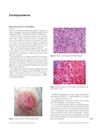
 An 86-year-old man with prostate cancer was diagnosed with a rare, low-grade breast cancer and underwent surgery but declined additional hormone therapy.
 59 citations
,
January 2005 in “Endocrine Journal”
59 citations
,
January 2005 in “Endocrine Journal” Sex steroids influence skin appendage function and neoplasm development, with changes in AR and ERalpha in certain gland neoplasms.
1 citations
,
April 2015 in “The FASEB journal” UVB exposure increases skin proteins for retinoic acid synthesis and shifts their location, possibly affecting skin repair.
 May 2023 in “Journal of Investigative Dermatology”
 Blocking DPP4 can potentially speed up hair growth and regeneration, especially after injury or in cases of hair loss.
 60 citations
,
February 2013 in “Cell reports”
60 citations
,
February 2013 in “Cell reports” The balance between androgen receptor and p53 is crucial for sebaceous gland differentiation.
 29 citations
,
March 2012 in “Stem Cell Research & Therapy”
29 citations
,
March 2012 in “Stem Cell Research & Therapy” Some stem cells in the body rarely divide, which could help create better treatments for diseases and aging.
 13 citations
,
February 2010 in “Stem Cell Reviews and Reports”
13 citations
,
February 2010 in “Stem Cell Reviews and Reports” Stem cells compete for space using cell adhesion, and mutations can affect their competitive success, with implications for tissue health and disease.
 480 citations
,
August 2014 in “Nature Biotechnology”
480 citations
,
August 2014 in “Nature Biotechnology” Changing the environment around stem cells could help tissue repair, but it's hard to be precise and avoid side effects.
 62 citations
,
April 2009 in “British Journal of Dermatology”
62 citations
,
April 2009 in “British Journal of Dermatology” Epidermal stem cells could lead to new treatments for skin and hair disorders.
 29 citations
,
December 2016 in “The EMBO Journal”
29 citations
,
December 2016 in “The EMBO Journal” Gata6 is important for protecting hair growth cells from DNA damage and keeping normal hair growth.
 25 citations
,
December 1992 in “Seminars in cell biology”
25 citations
,
December 1992 in “Seminars in cell biology” Skin stem cells are maintained by signals from nearby cells and vary in their ability to renew and mature.
 66 citations
,
March 2019 in “Cellular and Molecular Life Sciences”
66 citations
,
March 2019 in “Cellular and Molecular Life Sciences” Melanocyte development from neural crest cells is complex and influenced by many factors, and better understanding could help treat skin disorders.
 30 citations
,
April 2013 in “Journal of Investigative Dermatology”
30 citations
,
April 2013 in “Journal of Investigative Dermatology” Radiation mainly affects keratinocyte stem cells, not melanocyte stem cells, causing hair to gray.
 1 citations
,
January 2008 in “Springer eBooks”
1 citations
,
January 2008 in “Springer eBooks” Hair follicle stem cells can turn into many cell types and may help repair nerve damage and have other medical uses.
 42 citations
,
February 2017 in “Scientific Reports”
42 citations
,
February 2017 in “Scientific Reports” Researchers found a way to create cells from stem cells that act like human cells important for hair growth and could be used for hair regeneration treatments.
 40 citations
,
January 2009 in “Skin Pharmacology and Physiology”
40 citations
,
January 2009 in “Skin Pharmacology and Physiology” Fetal cells could improve skin repair with minimal scarring and are a potential ready-to-use solution for tissue engineering.
 16 citations
,
September 2018 in “Scientific reports”
16 citations
,
September 2018 in “Scientific reports” Scientists created keratinocyte cell lines from human hair that can differentiate similarly to normal skin cells, offering a new way to study skin biology and diseases.
 16 citations
,
September 2016 in “Experimental Dermatology”
16 citations
,
September 2016 in “Experimental Dermatology” Two-photon microscopy effectively tracks live stem cell activity in mouse skin with minimal harm and clear images.
 130 citations
,
September 2018 in “Cell Reports”
130 citations
,
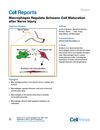
September 2018 in “Cell Reports” Macrophages help heal nerves by aiding the maturation of Schwann cells and are important for nerve repair.
 1 citations
,
January 2018 in “Elsevier eBooks”
1 citations
,
January 2018 in “Elsevier eBooks” The skin's dermal layer contains true stem cells with diverse functions and interactions that need more research to fully understand.
 22 citations
,
November 2012 in “Journal of cosmetic dermatology”
22 citations
,
November 2012 in “Journal of cosmetic dermatology” Stem cells can rejuvenate skin, restore hair, and aid in wound healing.