 June 2024 in “Archives of Medical Science”
 Telitacicept effectively improved hair regrowth in a woman with lupus and alopecia.
 13 citations
,
November 2021 in “Pediatric Dermatology”
13 citations
,
November 2021 in “Pediatric Dermatology” Tofacitinib taken by mouth helps treat hair loss in children.
1 citations
,
February 2025 in “Archives of Dermatological Research” Using Excimer light with topical steroids is the most effective treatment for alopecia areata.
November 2025 in “Journal of Investigative Dermatology” Dithranol reduces inflammation in alopecia areata by lowering certain immune responses.
65 citations
,
December 2015 in “Experimental dermatology” Corticosteroid treatment reduces inflammation and alters hair keratins in alopecia areata.
5 citations
,
January 1994 in “Dermatology” Corticosteroid therapy reduces specific immune cells and promotes hair growth in alopecia areata patients.
15 citations
,
June 1961 in “Archives of Dermatology” Triamcinolone can regrow hair in alopecia areata, but the effect is temporary.
 5 citations
,
April 2021 in “JAAD Case Reports”
5 citations
,
April 2021 in “JAAD Case Reports” Platelet-rich plasma therapy may help treat folliculitis decalvans but benefits might not last without ongoing treatment.
 April 2023 in “Journal of the American Academy of Dermatology”
 Switching between the medications tofacitinib and baricitinib can be effective for treating hair loss in alopecia areata.
 September 2024 in “Journal of Cosmetic Dermatology”
 Ectoin helps prevent cortisone-induced skin problems and supports skin health.
October 2025 in “Archives of Dermatological Research” Topical metformin gel is as effective and safe as steroids for treating alopecia areata.
 April 2025 in “Vestnik dermatologii i venerologii”
 JAK inhibitors like tofacitinib are effective and safer for severe alopecia areata than glucocorticosteroids.
January 2025 in “International Journal of Research in Medical Science” Fluoric Acid helps regrow hair and reduces relapse in Alopecia Areata.
62 citations
,
April 2002 in “Journal of the American Academy of Dermatology” Sulfasalazine may help regrow hair in severe alopecia areata cases.
 August 2015 in “Dermatología Argentina”
 Frontal fibrosing alopecia causes hairline recession and eyebrow loss in postmenopausal women.
 June 2026 in “Drugs in Context”
 Deucravacitinib effectively treats psoriasis and may help with other skin conditions.
 1 citations
,
November 2001 in “British Journal of Dermatology”
1 citations
,
November 2001 in “British Journal of Dermatology” Oral cyclosporin doesn't stop hair loss.
July 2013 in “Revista da Universidade Vale do Rio Verde” Flutamide treatment showed no significant changes in mice vaginal mucosa.
 1 citations
,
October 2023 in “BMC oral health”
1 citations
,
October 2023 in “BMC oral health” Two patients treated with TAC for mouth fibrosis improved but developed Cushing's Syndrome symptoms.
March 2023 in “Journal of Pakistan Association of Dermatologists” Long-term use of topical steroids can cause rosacea, but switching treatments can improve symptoms.
 2 citations
,
July 2020 in “Giornale italiano di dermatologia e venereologia”
2 citations
,
July 2020 in “Giornale italiano di dermatologia e venereologia” A woman with frontal fibrosing alopecia experienced unusual hair growth after using a specific topical lotion.
April 2024 in “Biosaintifika Journal of Biology & Biology Education” SH-MSCs can improve hair growth by balancing gene expressions in fluconazole-related hair loss.
18 citations
,
June 2020 in “Dermatologic Therapy” FCO2 laser is a better treatment for alopecia areata than intralesional steroids.
5 citations
,
January 2018 in “Indian Journal of Dermatology/Indian journal of dermatology” A woman got a skin rash from taking aceclofenac, which went away after she stopped the drug.
January 2017 in “The American Pharmacists Association eBooks” January 2017 in “The American Pharmacists Association eBooks” March 2005 in “The Nurse Practitioner” December 2022 in “Scientific Reports” Compound 4 is a promising treatment for hair loss with low toxicity.
 26 citations
,
June 2018 in “Australasian Journal of Dermatology”
26 citations
,
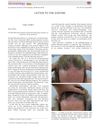
June 2018 in “Australasian Journal of Dermatology” Stopping sunscreen use on the forehead led to hair regrowth in a woman with frontal fibrosing alopecia.
6 citations
,
November 2020 in “JAAD Case Reports” Tofacitinib may help treat both alopecia areata and inflammatory bowel disease.