 115 citations
,
November 2004 in “Brain Behavior and Immunity”
115 citations
,
November 2004 in “Brain Behavior and Immunity” Stress increases nerve fibers and immune cell activity in mouse skin, possibly worsening skin conditions.
 31 citations
,
April 2007 in “Experimental Dermatology”
31 citations
,
April 2007 in “Experimental Dermatology” Stress in mice delays hair growth and treatments blocking substance P can partly reverse this effect.
 December 2013 in “Research Portal (King's College London)”
 Hair loss in Lichen Planopilaris is caused by immune system issues damaging hair follicles and stem cells.
 8 citations
,
May 2018 in “The Journal of Allergy and Clinical Immunology”
8 citations
,
May 2018 in “The Journal of Allergy and Clinical Immunology” Activating the Nrf2 pathway reduces inflammation and cell activation in human hair follicles, suggesting a potential treatment for certain hair loss conditions.
 6 citations
,
December 2013 in “Journal of Cutaneous Pathology”
6 citations
,
December 2013 in “Journal of Cutaneous Pathology” Certain immune cells are more common on the top of the head and might help predict or treat common hair loss.
 76 citations
,
March 2005 in “Journal of Molecular Medicine”
76 citations
,
March 2005 in “Journal of Molecular Medicine” Certain mice without specific receptors or mast cells don't lose hair from stress.
 14 citations
,
December 2007 in “Pediatric allergy and immunology”
14 citations
,
December 2007 in “Pediatric allergy and immunology” Newborns with the common rash Erythema Toxicum have many active mast cells in their skin, but these cells don't produce the LL-37 peptide.

Adipocytes in atopic dermatitis skin change and worsen inflammation and fibrosis.
6 citations
,
January 2023 in “International journal of molecular sciences” Mast cells and CD8 T cells interact closely in skin diseases, affecting each other's behavior and contributing to conditions like psoriasis and eczema.
7 citations
,
August 2017 in “Journal of dermatological science” Sorafenib causes skin reactions by increasing the number and activity of skin mast cells.
 27 citations
,
January 2020 in “Experimental Dermatology”
27 citations
,
January 2020 in “Experimental Dermatology” Immune cells affect hair growth and could lead to new hair loss treatments.
 9 citations
,
January 2017 in “International Journal of Trichology”
9 citations
,
January 2017 in “International Journal of Trichology” The study suggests that mast cells might be involved in the hair loss condition telogen effluvium and could be a target for treatment.
 4 citations
,
January 2013 in “Acta dermato-venereologica”
4 citations
,
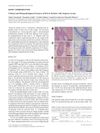
January 2013 in “Acta dermato-venereologica” Some patients with Alopecia Areata experience itch due to immune cells and enzymes that cause itching.
 7 citations
,
October 2000 in “Allergo Journal”
7 citations
,
October 2000 in “Allergo Journal” Stress may affect hair growth by influencing hair follicle development and could contribute to hair loss.
 125 citations
,
September 2001 in “The FASEB Journal”
125 citations
,
September 2001 in “The FASEB Journal” Stress can cause hair loss by negatively affecting hair follicles and this effect might be reversed with specific treatments.
7 citations
,
July 2021 in “The journal of investigative dermatology/Journal of investigative dermatology” Human skin can be reconnected to nerves using stem cells, which may help with skin health and healing.
8 citations
,
October 2021 in “Stem Cell Research & Therapy” Mesenchymal stem cells may effectively treat and prevent allergic skin conditions.
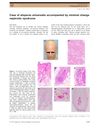 2 citations
,
August 2015 in “Journal of dermatology”
2 citations
,
August 2015 in “Journal of dermatology” A possible link exists between minimal change nephrotic syndrome and complete hair loss.
 November 2025 in “Frontiers in Immunology”
 Immune cells are crucial for normal skin development and their dysfunction can cause skin disorders.
 5 citations
,
February 2022 in “International Journal of Molecular Sciences”
5 citations
,
February 2022 in “International Journal of Molecular Sciences” Different immune cells like platelets, mast cells, neutrophils, macrophages, T cells, B cells, and innate lymphoid cells all play roles in skin wound healing, but more research is needed due to inconsistent results and the complex nature of the immune response.
 159 citations
,
December 2007 in “American Journal of Pathology”
159 citations
,
December 2007 in “American Journal of Pathology” Stress-related substance P may lead to hair loss and negatively affect hair growth.
 76 citations
,
April 2013 in “PLoS ONE”
76 citations
,
April 2013 in “PLoS ONE” Chronic stress can cause hair loss by increasing oxidative stress, but antioxidants may help.
 53 citations
,
January 2009 in “Journal of Investigative Dermatology”
53 citations
,
January 2009 in “Journal of Investigative Dermatology” UVB radiation harms hair growth and health, causing cell death and other changes in human hair follicles.
 19 citations
,
January 2009 in “Journal of Young Pharmacists”
19 citations
,
January 2009 in “Journal of Young Pharmacists” Alcoholic extract of Eclipta alba may help treat allergies and is safe at high doses.
 18 citations
,
April 2016 in “Toxicological Research”
18 citations
,
April 2016 in “Toxicological Research” Lavender oil significantly promotes hair growth in mice.
 375 citations
,
July 2006 in “Journal of Investigative Dermatology”
375 citations
,
July 2006 in “Journal of Investigative Dermatology” Stress can worsen skin and hair conditions by affecting the skin's immune response and hormone levels.
 7 citations
,
April 2013 in “Clinical and Experimental Dermatology”
7 citations
,
April 2013 in “Clinical and Experimental Dermatology” Tianeptine, an antidepressant, may prevent stress-induced hair loss in mice.
 15 citations
,
January 2010 in “Experimental Dermatology”
15 citations
,
January 2010 in “Experimental Dermatology” Hair loss in certain young mice is linked to a specific gene and can be caused by lack of iron.
April 2012 in “Cancer Research” EGFR deficiency in skin causes hair follicle issues and inflammation.
1 citations
,
September 2025 in “Physiologia” Ovalbumin–aluminum sensitization causes increased pain sensitivity and nerve changes in mice.