Search
for
Sort by
Research
750-780 / 1000+ resultsresearch The effect of polyphloretin phosphate, polyoestradiol phosphate, a diphosphonate and a polyphosphate on calcification induced by dihydrotachysterol in skin, aorta and kidney of rats
The diphosphonate was the most effective at preventing calcification in rats.
research Nonclassic 21-hydroxylase deficiency
Nonclassic 21-hydroxylase deficiency is a common, treatable genetic disorder causing reversible symptoms like acne and hair loss.
research Ligand‐independent Regulation of the hairless Promoter by Vitamin D Receptor†
Vitamin D receptor can control the hairless gene linked to hair loss even without vitamin D.
research Die kontrazeptive Betreuung androgenisierter Frauen mit einem niedrig dosierten cyproteronacetathaltigen Einphasenpräparat
Diane is effective for treating acne, seborrhoea, androgenic alopecia, and mild hirsutism in women.
research Effect of Fastness, Hair Coating and Hair Protection by Deying of Orange Henna
Henna orange powder, especially with alkali, protects and colors hair better than oxidizing colorants.
research 5α-Metabolism in Finasteride-Treated Subjects and Male Pseudohermaphrodites with Inherited 5α-Reductase Deficiency
Finasteride lowers DHT levels and raises testosterone in a dose-dependent way.
research Modulation of Vitamin D Receptor Activity by the Corepressor Hairless: Differential Effects of Hairless Isoforms
Different Hairless isoforms affect Vitamin D receptor activity in hair regulation, with one repressing and the other stimulating it.
research REVERSED SEQUENTIAL THERAPY OF HIRSUTISM USING CYPROTERONE ACETATE
Reversed sequential therapy with cyproterone acetate was effective for treating women with hirsutism and related conditions.
research Sulfation of minoxidil by multiple human cytosolic sulfotransferases
Minoxidil breakdown varies by enzymes, affecting hair loss treatment effectiveness.
research Congenital adrenal hyperplasia due to steroid 21-hydroxylase deficiency epidemiology, etiopathogenesis, clinical presentation, treatment – a systematic review
CAH requires a multidisciplinary approach, and while current treatments help, future therapies show promise.
research Modification of the immune system with hydrogen sulfide and cyclosporine A
Age-related immune changes significantly affect disease development in other systems.
research Response of Heating Rod in Water Pool in Various Boiling Regimes up to CHF
Natural compounds like essential oils and melatonin can improve pet health and address issues like stress and hair problems.
research Preferential Recognition of Hydroxyl Radical-Modified Superoxide Dismutase by Circulating Autoantibodies in Patients with Alopecia Areata
Modified superoxide dismutase may trigger an autoimmune response in alopecia areata.
research A Recurrent Intragenic Deletion in the Desmoglein 4 Gene Underlies Localized Autosomal Recessive Hypotrichosis
A gene deletion in DSG4 causes sparse hair in some Pakistani families.
research Adrenal steroid precursors exert potent androgenic action in the hamster sebaceous glands of flank organs and ears.
Certain adrenal hormones can strongly stimulate oil gland growth in hamster skin, similar to male hormones.
research Low-Dose Dimethyl Sulfoxide (DMSO) Suppresses Androgen Receptor (AR) and Its Splice Variant AR-V7 in Castration-Resistant Prostate Cancer (CRPC) Cells
Low-dose DMSO may help treat castration-resistant prostate cancer by reducing key cancer cell receptors.
research 62339 Improvement in anxiety and depression in adult patients with severe alopecia areata treated with deuruxolitinib: Pooled data from the THRIVE-AA1 and THRIVE-AA2 Phase 3 trials
Deuruxolitinib improves anxiety and depression in severe alopecia areata patients.
research In vivo and in silico evaluation of the ameliorative effect of hesperidin on finasteride-induced testicular oxidative stress in Wistar rats
Hesperidin protects rat testicles from finasteride damage and improves sperm health.
research Stress-Induced Deoxycorticosterone-Derived Neurosteroids Modulate GABAAReceptor Function and Seizure Susceptibility
Stress increases neurosteroids that help prevent seizures.
research Re: The Efficacy of Dihydrotestosterone Transdermal Gel Before Primary Hypospadias Surgery: A Prospective, Controlled, Randomized Study
Dihydrotestosterone gel before hypospadias surgery led to less scarring but raised concerns about potential psychological effects and skin changes.
research Gynostemma pentaphyllum Hydrodistillate and Damulin B Prevent UVB‐Induced Photoaging In Vitro and In Vivo via ROS Suppression and Restoration of MAPK/AP‐1 and TGF‐β/Smad Signaling
Gynostemma pentaphyllum and Damulin B help prevent skin aging from UVB by reducing oxidative stress and improving skin health.

research Corrigendum: Stimulation of hair regrowth in an animal model of androgenic alopecia using 2-deoxy-D-ribose
The correction does not change the conclusion that 2-deoxy-D-ribose helps hair regrowth.
research Association of childhood dehydroepiandrosterone sulfate concentration, pubertal development, and DNA methylation at puberty-related genes
Higher childhood DHEAS levels are linked to advanced puberty and DNA changes.
research Key targets of hormonal treatment of prostate cancer. Part 2: the androgen receptor and 5α-reductase
Blocking DHT production more strongly may help control advanced prostate cancer and improve quality of life.
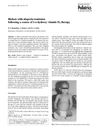
research Rickets with alopecia-remission following a course of 1-?-hydroxy vitamin D3 therapy
Child with rickets improved with a specific vitamin D therapy, but alopecia did not change.
research Alterations in the expression of specific epidermal keratin markers in the hairless mouse by the topical application of the tumor promoters 2,3,7,8-tetrachlorodibenzo-p-dioxin and the phorbol ester 12-O-tetradecanoylphorbol-13-acetate
TCDD changes skin cell growth and keratin production in mice.
research Is the metabolism of testosterone to 5α-dihydrotestosterone required for androgen action in the skin?
Testosterone conversion to 5α-DHT may not be essential for its effects on the skin.
research Preventable effect of L-threonate, an ascorbate metabolite, on androgen-driven balding via repression of dihydrotestosteroneinduced dickkopf-1 expression in human hair dermal papilla cells
L-threonate may help prevent balding by blocking a key hair loss factor.
research Changes in Hair: Causative Factors
DHT, not testosterone, mainly affects hair growth and related conditions.