18 citations
,
June 2017 in “Journal of the neurological sciences” Using 5 alpha reductase inhibitors may increase dementia risk in the first two years.
8 citations
,
January 2016 in “Case Reports in Psychiatry” Trichotillomania in dementia may be better treated with dopamine blockers like quetiapine than with SSRIs.
December 2022 in “JAMA network open” 5α-Reductase inhibitors may increase depression risk but not dementia or suicide.
 4 citations
,
May 2011 in “Movement Disorders”
4 citations
,
May 2011 in “Movement Disorders” A woman's unique dementia was misdiagnosed, a genetic mutation increases Parkinson's risk with age, and finasteride may help with Tourette syndrome.
 7 citations
,
October 2009 in “Journal of the American Geriatrics Society”
7 citations
,
October 2009 in “Journal of the American Geriatrics Society” Finasteride may help reduce inappropriate sexual behaviors in dementia patients with prostate issues.
 December 2025 in “International Neurourology Journal”
 Alpha-blockers and 5-alpha reductase inhibitors don't significantly increase dementia risk.

Osteopathic manipulation therapy might help treat dementia caused by finasteride.
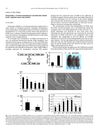 7 citations
,
December 2008 in “Journal of Dermatological Science”
7 citations
,
December 2008 in “Journal of Dermatological Science” Progranulin overexpression leads to shorter, thinner hair and increased cell death in mouse hair follicles.
 1 citations
,
June 2023 in “Radiation oncology journal”
1 citations
,
June 2023 in “Radiation oncology journal” Low-dose radiation therapy may improve brain function in some Alzheimer's patients and is generally well-tolerated.
September 2017 in “OhioLink ETD Center (Ohio Library and Information Network)” Caregivers had lower stress hormone levels than non-caregivers, suggesting caregiving stress affects the body differently.
52 citations
,
December 1984 in “Journal of the American Geriatrics Society” Mineral levels in hair and serum don't help diagnose Alzheimer's.
 12 citations
,
July 2017 in “Scientific reports”
12 citations
,
July 2017 in “Scientific reports” Researchers developed a way to study human body clocks using hair tissue, which works similarly in both healthy and dementia patients.
 February 2022 in “Journal of Armed Forces Medical College”
 The patient with autoimmune hypothyroidism improved after treatment for thyroid and associated conditions.
5 citations
,
December 2018 in “The Journal of clinical psychiatry/The journal of clinical psychiatry” Tamsulosin may slightly increase dementia risk compared to other treatments for enlarged prostate.
 3 citations
,
December 2007 in “Injury Extra”
3 citations
,
December 2007 in “Injury Extra” An elderly man with dementia suffered limb damage from rubber bands around his leg, highlighting the need for careful monitoring to prevent such injuries.
September 2025 in “Healthcare” SSRIs may help manage sexual behavior in dementia patients, but they can cause long-lasting sexual dysfunction.
New substances were created that improve health and may treat dementia, osteoporosis, and cancer.
1 citations
,
March 2019 in “American journal of geriatric psychiatry/The American journal of geriatric psychiatry” The case shows the need for psychiatrists to manage end-of-life care for dementia patients, including respecting patients' wishes and using hospice services.
 December 2013 in “Nursing2023”
 The FDA approved a new breast cancer treatment, found flu shots may reduce heart risks, questioned the safety of fast-tracked drug approvals, showed statins don't help with certain pneumonia, and approved a new dementia imaging agent.

The CDC reports 23 measles cases in unvaccinated US kids, new treatments for eosinophilic esophagitis and osteopenia are approved, poor sleep may cause migraines, atopic dermatitis could lead to asthma, migraines might increase Crohn's disease risk, cancer may raise heart disease risk, gout is linked to prostate issues, Cabo Verde is malaria-free, social factors and vitamin D affect dementia risk, smoking increases hair loss risk, certain drugs might lower thyroid disease risk in arthritis, noma is a neglected disease, and meal timing could impact heart health.
 March 2021 in “Clin-Alert”
 The FDA warned about safety issues with remdesivir and tofacitinib, finasteride is linked to suicidality, potent topical corticosteroids increase osteoporosis risk, henna can cause hemolysis in G6PD deficiency, chemotherapeutic agents can cause adverse reactions, drug interactions are common in cancer patients, ketamine can reduce at-risk drinking, high dose of anticholinergics increases dementia risk in Parkinson's patients, and prenatal exposure to second-generation antipsychotics increases pregnancy complications.
 31 citations
,
June 2011 in “Movement Disorders”
31 citations
,
June 2011 in “Movement Disorders” The document describes a woman with familial Parkinson's disease due to a genetic mutation, showing severe symptoms and poor response to treatment, and suggests finasteride may help reduce symptoms in Tourette syndrome.
July 2012 in “Alzheimer s & Dementia” Effective sleep apnea treatment may reverse cognitive decline in Alzheimer's.
 February 2022 in “Cleveland Clinic Journal of Medicine”
 Prolonged use of topical corticosteroids can cause excessive hair growth.
November 2008 in “British Journal of Hospital Medicine” Non-drug methods effectively managed agitation in a patient with a heart device, leading to improved mental function.
January 2026 in “Psychoneuroendocrinology” Caregiver perspective-taking affects stress hormone levels in people with Alzheimer's.
2 citations
,
November 2019 in “Current Geriatrics Reports” Tailored treatment is crucial for elderly men with BPH due to potential risks and benefits of medications.
 September 2025 in “Cermin Dunia Kedokteran”
 Early detection and management of cognitive disorders in primary care are crucial for effective treatment.
 January 2020 in “Nihon rinsho hifukaikai zasshi”
 A woman's temporary hair loss was caused by high prolactin levels from her medication.
32 citations
,
September 2004 in “BMJ” Aspartame is safe and not linked to health issues like cancer.