2 citations
,
January 2022 in “Indian dermatology online journal” Dermoscopy may not show hookworms clearly, and comparing it with tissue studies could improve diagnosis accuracy for skin conditions caused by parasites.
 34 citations
,
October 2018 in “Journal of The American Academy of Dermatology”
34 citations
,
October 2018 in “Journal of The American Academy of Dermatology” Hormone treatments can help with women's skin and hair disorders, but they need careful monitoring and more research.
November 2025 in “Journal of Investigative Dermatology” Dithranol reduces inflammation in alopecia areata by lowering certain immune responses.
January 2006 in “Chinese Journal of Dermatology” Amelanotic melanocytes from hair follicles are immature and likely don't transfer melanosomes to keratinocytes.
1 citations
,
December 2018 in “Veterinary dermatology” The hair coat disorder in Schipperkes is similar to Alopecia X and involves increased androstenedione levels and hair cycle arrest.
Farudodstat may effectively treat alopecia areata by protecting hair follicles without harmful effects.
 April 2018 in “Journal of Investigative Dermatology”
 Blocking a specific immune cell signal can trigger hair growth.
 108 citations
,
July 2002 in “Molecular and cellular biology”
108 citations
,
July 2002 in “Molecular and cellular biology” Overexpressing Dsg3 in mice skin causes excessive cell growth and abnormal skin development.
 June 2019 in “Journal of evolution of medical and dental sciences”
 Dermoscopy is useful for tracking alopecia areata treatment, with yellow dots and new vellus hairs being good indicators of hair regrowth.
 July 2025 in “Journal of Investigative Dermatology”
 Miniaturized hair follicles in androgenetic alopecia show abnormal mitochondrial activity and damage.
 November 2025 in “SKIN The Journal of Cutaneous Medicine”
 "Dread shed" is common with minoxidil but less so with other hair loss treatments.
 March 2026 in “Molecular and Cellular Biomedical Sciences”
 EH-MSCs may help treat hair loss by reducing inflammation.
July 2026 in “Journal of the American Academy of Dermatology” July 2026 in “British Journal of Dermatology” Taking low-dose oral minoxidil during the day improves hair growth more than taking it at night.
ocu-miR-205 affects hair density in Rex rabbits by promoting cell changes that lead to more hair follicles entering resting phases.
 April 2017 in “Journal of Investigative Dermatology”
 A virus protein can activate a pathway that may lead to abnormal hair follicle development.
1 citations
,
January 2010 Ornithine decarboxylase is crucial for human hair growth and the hair cycle.
August 2025 in “Skin Appendage Disorders” Low-dose oral minoxidil might help with hair loss during chemotherapy, but more research is needed.
 16 citations
,
March 2014 in “Journal of the European Academy of Dermatology and Venereology”
16 citations
,
March 2014 in “Journal of the European Academy of Dermatology and Venereology” Korean patients with PCOS often have skin problems like acne and excess hair, with different symptoms based on their specific PCOS type.
 July 2012 in “Medical Hypotheses”
 Artemis dysfunction might cause hair loss through telomere shortening.
54 citations
,
December 2011 in “American Journal Of Pathology” A Gsdma3 mutation causes hair loss due to stem cell damage from skin inflammation.
31 citations
,
December 1991 in “Annals of the New York Academy of Sciences” ORS and hair matrix cells balance growth and differentiation better than normal keratinocytes, with human dermal fibroblasts crucial for proper differentiation.
 November 1966 in “British Journal of Dermatology”
 The meeting discussed various skin conditions, treatments, and unusual cases, highlighting the effectiveness of tetracycline in treating rosacea.
 8 citations
,
August 2015 in “Journal of dermatological science”
8 citations
,
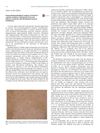
August 2015 in “Journal of dermatological science” Rhododendrol in skin-whitening products can cause skin depigmentation and immune reactions.
July 2026 in “Journal of Investigative Dermatology”  April 2024 in “International Journal of Women’s Dermatology”
 Laser hair reduction can sometimes cause a rare skin condition called Fox-Fordyce disease.
15 citations
,
July 2010 in “Journal of Allergy and Clinical Immunology” A new cream, DHMEQ, reduces allergic skin inflammation effectively.
 34 citations
,
February 1999 in “Journal of Dermatological Science”
34 citations
,
February 1999 in “Journal of Dermatological Science” Minoxidil boosts enzymes that help hair growth.
July 2025 in “Journal of Investigative Dermatology” 5 citations
,
September 2009 in “Acta Ophthalmologica” Hyper-keratinisation in Meibomian glands contributes to gland dysfunction.