 December 2022 in “Indian Journal of Animal Research”
 Both fluoxetine and clomipramine effectively treat dog lick dermatitis, but fluoxetine works faster with lower recurrence, while clomipramine has fewer side effects.
 January 2021 in “Middle East journal of applied sciences”
 Over 30% of livestock in New Valley Governorate, Egypt, had skin diseases, affecting their productivity and income.

Accurate diagnosis and tailored treatments are crucial for managing hair loss in humans and animals.
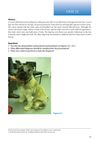 May 2019 in “Small Animal Dermatology”
 The dog had sebaceous adenitis, treated with ciclosporin, leading to some hair regrowth.
 August 2017 in “Companion animal”
 Focal alopecia in dogs has many causes and requires various tests for accurate diagnosis and treatment.
 January 2011 in “Elsevier eBooks”
 Alopecia in animals can be hereditary, congenital, or acquired, with treatments and outcomes varying widely.
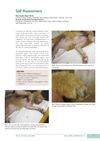 April 2008 in “Companion Animal”
 The cat's skin condition was linked to cancer and did not improve with treatment, leading to a poor outcome.
 January 2006 in “Elsevier eBooks”
 Cats with Feline Symmetrical Alopecia can regrow hair with proper treatment based on the specific cause, including diet, medication, or stress management.
11 citations
,
January 2014 in “Open journal of veterinary medicine” Propolis was effective in treating ringworm and other skin conditions in dogs.
6 citations
,
October 1998 in “PubMed” Antifungal treatment can improve severe skin infections with cutaneous horns.
1 citations
,
April 2024 in “Animal Genetics” A genetic defect in an Appenzeller Mountain Dog caused skin issues, improved with ketoconazole, showing the importance of advanced genetic testing.
 20 citations
,
October 2016 in “Veterinary dermatology”
20 citations
,
October 2016 in “Veterinary dermatology” Dogs with generalized discoid lupus erythematosus have similar symptoms to humans and need continuous treatment.
March 2026 in “Buletin Veteriner Udayana” Stella fully recovered from Malassezia dermatitis after 4 weeks of treatment.
4 citations
,
May 2020 in “Animals” Prompt veterinary care and accurate diagnosis are crucial for effectively treating rare fungal dermatitis in horses.
 March 2021 in “Mansoura Veterinary Medical Journal /Mansoura Veterinary Medical Journal”
 Ringworm is a common, contagious fungal infection in dogs that can spread to humans and requires lengthy treatment.
 January 2024 in “International Journal of Advanced Biochemistry Research”
 Staphylococcus in dogs with skin infections is most sensitive to Linezolid.
5 citations
,
April 2019 in “Veterinary Dermatology” Cats infested with Lynxacarus radovskyi can lose hair without inflammation, treatable with selamectin.
 57 citations
,
August 1998 in “The journal of small animal practice/Journal of small animal practice”
57 citations
,
August 1998 in “The journal of small animal practice/Journal of small animal practice” Malassezia-associated dermatitis can cause itching in cats with feline paraneoplastic alopecia.
December 2025 in “UTTAR PRADESH JOURNAL OF ZOOLOGY” Selamectin works faster, but Aloe vera and coconut oil are cheaper and eco-friendly for treating cat mange.
6 citations
,
June 1993 in “Veterinary Dermatology” A female Rottweiler had a rare genetic condition causing mostly hairless skin.
7 citations
,
February 2005 in “Veterinary Dermatology” Horses with skin disease have more surface bacteria than healthy horses.
1 citations
,
April 2025 in “Journal of Feline Medicine and Surgery” Early diagnosis and treatment by vets are crucial for managing rare but severe feline skin disorders.
February 2026 in “Scientific Messenger of LNU of Veterinary Medicine and Biotechnology” Dermatophytosis in cats is treated with antifungal medications.
September 2025 in “Journal of Parasite Science” 10.5% of cats in Cimahi had a fungal skin infection, mostly affecting young, female, domestic cats.
The chapter concludes that certain skin diseases in bovines cause symmetrical, non-painful lesions and temporary hair loss due to stress.
2 citations
,
February 2021 in “Journal of comparative pathology” Sheep with chronic Sarcoptes scabiei dermatitis have altered keratin expression in their skin.
11 citations
,
March 2004 in “Journal of Comparative Pathology” Norfolk Terriers have a genetic skin defect causing scaling and blisters due to a keratin issue.
January 2014 in “ACTA SCIENTIAE VETERINARIAE” The cat's skin condition was resistant to treatment and did not improve.
 April 2025 in “Journal of Applied Veterinary Science And Technology”
 The cat's health improved significantly after treatment.
4 citations
,
December 2015 in “Redalyc (Universidad Autónoma del Estado de México)” A cat with sebaceous adenitis improved after treatment with shampoo, ciclosporin, and fatty acids.