 May 2026 in “Journal of Clinical Medicine”
 COVID-19 pandemic increased alopecia areata cases and hospitalizations.
 February 2026 in “Zenodo (CERN European Organization for Nuclear Research)”
 Alopecia affects mental health, causing depression and anxiety, but new treatments can help improve both hair growth and quality of life.
 July 2023 in “Chinese Journal of Dermatology”
 Vascular endothelial growth factor might be involved in common hair loss.
 July 2022 in “Conjeturas”
 Androgens play a key role in causing alopecia by changing the hair growth cycle.
 2 citations
,
January 2015 in “Springer eBooks”
2 citations
,
January 2015 in “Springer eBooks” Early diagnosis and aggressive treatment are crucial for Cicatricial Alopecia, and treatment effectiveness varies among patients.
February 2013 in “Journal of the American Academy of Dermatology” Follicular red dots can appear where alopecia areata and vitiligo overlap.
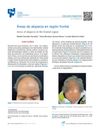 January 2025 in “Revista del Centro Dermatológico Pascua”
 Early diagnosis and treatment can help manage fibrosing alopecia in older women.
 January 2026 in “Dermatology and Therapy” 1 citations
,
August 2025 in “JDDG Journal der Deutschen Dermatologischen Gesellschaft”
January 2026 in “Dermatology and Therapy” 1 citations
,
August 2025 in “JDDG Journal der Deutschen Dermatologischen Gesellschaft” People with alopecia areata may have a higher risk of thyroid diseases.
 September 2025 in “Meditsinskiy sovet = Medical Council”
 Atopic dermatitis significantly increases the risk of alopecia areata, especially in children.
 September 2003 in “Clinics in Family Practice”
 Different hair diseases affect people during childbearing years, with treatments ranging from medication to psychological support.
 5 citations
,
January 2022 in “Journal of Cosmetic Dermatology”
5 citations
,
January 2022 in “Journal of Cosmetic Dermatology” COVID-19 can cause hair loss and nail changes in some patients.
May 2025 in “Acta Dermato Venereologica” Alopecia areata patients have higher risks of infections, lymphoma, heart issues, and death.
October 2025 in “Dermatology and Therapy” Adults with alopecia areata have a higher risk of mental health issues, especially women after COVID-19.
 September 2017 in “Pediatric Dermatology”
 A 14-year-old boy was diagnosed with a rare hair condition that may lead to hair thinning and has no known effective treatments.
16 citations
,
December 2015 in “Journal of Investigative Dermatology” Alopecia areata involves persistent gene abnormalities and immune activity, even in regrown hair, suggesting a risk of relapse.
3 citations
,
February 2010 in “PubMed” Higher protein intake might be linked to hair loss.
 58 citations
,
November 2020 in “International Journal of Dermatology”
58 citations
,
November 2020 in “International Journal of Dermatology” COVID-19 may cause a temporary hair loss condition called telogen effluvium in some patients after recovery.
69 citations
,
July 2002 in “Clinical and Experimental Dermatology” Alopecia areata is influenced by genetics and immune system factors, and better understanding could improve treatments.
February 2026 in “Journal of Advances in Biology & Biotechnology” Alopecia areata causes unpredictable hair loss and requires personalized treatment.
May 2003 in “Journal of clinical oncology”  6 citations
,
March 2019 in “The American Journal of Dermatopathology”
6 citations
,
March 2019 in “The American Journal of Dermatopathology” Amyloid deposits linked to a type of protein may cause a unique pattern of hair loss by disrupting hair growth cycles.
4 citations
,
March 2023 in “PubMed” Stress and COVID-19 can worsen hair loss conditions like alopecia areata.
35 citations
,
August 2009 in “Journal of the American Academy of Dermatology” Melanocytes might be targeted by the immune system in people with alopecia areata, but more research is needed.
 8 citations
,
January 1989 in “Annual Reports in Medicinal Chemistry”
8 citations
,
January 1989 in “Annual Reports in Medicinal Chemistry” Hair loss from alopecia areata and androgenetic alopecia can be treated, but more effective and safer treatments are needed.
1 citations
,
August 2018 in “Journal of the American Academy of Dermatology”  April 2023 in “Journal of Investigative Dermatology”
 People who had severe COVID-19 are more likely to experience hair loss.
 November 2023 in “Dermatologica sinica/Zhōnghuá pífūkē yīxué zázhì”
 Upadacitinib helped regrow hair in a severe alopecia areata patient but stopping treatment caused hair loss to return.
 8 citations
,
September 2004 in “Contact dermatitis”
8 citations
,
September 2004 in “Contact dermatitis” Avoiding dyed wigs and clothing improved severe allergic reactions in a woman treated with diphencyprone.
December 2025 in “Zenodo (CERN European Organization for Nuclear Research)” Alopecia areata causes sudden, patchy hair loss due to immune system attacks on hair follicles.