 11 citations
,
January 2022 in “Journal of Cancer”
11 citations
,
January 2022 in “Journal of Cancer” Low intensity ultrasound may reduce side effects of chemotherapy drugs like paclitaxel.
June 2025 in “British Journal of Dermatology” Tofacitinib is more effective than methotrexate for treating moderate-to-severe alopecia areata.
56 citations
,
January 2004 in “Journal of the American Academy of Dermatology” Cyclosporine can cause a unique skin condition called "cyclosporine-induced folliculodystrophy."
October 2017 in “Our Dermatology Online” DCP in isopropanol is better tolerated for treating alopecia areata.
January 2026 in “Al-Azhar Assiut Medical Journal” Intralesional pentoxifylline effectively and safely treats alopecia areata, improving hair regrowth.
May 2025 in “Journal of the European Academy of Dermatology and Venereology” Ritlecitinib is effective for long-term hair regrowth in alopecia areata, especially in females and early treatment.
277 citations
,
December 2019 in “Frontiers in Immunology” JAK inhibitors show promise for treating skin disorders like alopecia, eczema, and psoriasis.
November 2025 in “Clinical and Translational Allergy” The consensus provides guidelines for safely stopping danazol in hereditary angioedema treatment.
 August 2024 in “Clinical Cosmetic and Investigational Dermatology”
 Ixekizumab effectively treated severe psoriasis and hair loss in a patient.
 37 citations
,
January 2011 in “Annals of Dermatology”
37 citations
,
January 2011 in “Annals of Dermatology” ALA-photodynamic therapy helps reduce acne by causing acne cell death and lowering certain skin protein levels.
7 citations
,
July 2021 in “JAAD case reports” Dupilumab may help treat alopecia areata in children with atopic dermatitis, but it can also cause new hair loss.
2 citations
,
May 2023 in “Journal of Immunotherapy” Sintilimab treatment caused hair loss but led to complete tumor remission.
 October 2023 in “European journal of dermatology/EJD. European journal of dermatology”
 Injectable platelet-rich fibrin can safely and effectively treat melasma.
34 citations
,
January 2022 in “Frontiers in Immunology” IL-25 helps heal diabetic wounds by improving blood vessel and skin cell functions.
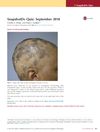 August 2018 in “Journal of Investigative Dermatology”
 Tofacitinib may help regrow hair in alopecia areata patients.
 1 citations
,
June 2024 in “British Journal of Dermatology”
1 citations
,
June 2024 in “British Journal of Dermatology” Mycophenolate mofetil effectively improved skin pigmentation and itching in a woman with lichen planus pigmentosus and frontal fibrosing alopecia.
 7 citations
,
September 2006 in “Clinical lymphoma & myeloma”
7 citations
,
September 2006 in “Clinical lymphoma & myeloma” Balancing treatment effectiveness with side effects is crucial for relapsed follicular non-Hodgkin's lymphoma, especially in older patients.
 December 2025 in “Педиатрическая фармакология”
 Tofacitinib is more effective than traditional treatments for severe alopecia areata in children.
 4 citations
,
August 2013 in “Case reports in dermatology”
4 citations
,
August 2013 in “Case reports in dermatology” A patient with total hair loss developed vitiligo after using a treatment called DCP.
 April 2019 in “Journal of Investigative Dermatology”
 DPP4-positive fibroblasts play a major role in producing proteins that lead to skin fibrosis.
2 citations
,
May 2025 in “Journal of the European Academy of Dermatology and Venereology” Ritlecitinib improves hair regrowth in alopecia areata over 24 months.
 17 citations
,
January 2019 in “Journal of cancer”
17 citations
,
January 2019 in “Journal of cancer” The formula YH0618 can reduce the harmful side effects of the chemotherapy drug Doxorubicin and protect healthy cells.
July 2025 in “International Journal of Trichology” Intralesional methotrexate and triamcinolone acetonide are more effective than Vitamin D3 for treating alopecia areata.
February 2006 in “Inpharma Weekly” 13 citations
,
August 2018 in “Life sciences” Kang-ai injection with platinum-based chemotherapy improves tumor response and immune function while reducing side effects in advanced lung cancer.
 19 citations
,
May 1992 in “International Journal of Dermatology”
19 citations
,
May 1992 in “International Journal of Dermatology” Some alternative vitiligo treatments show promise, but none are as effective as psoralens and UVA.
 June 2024 in “Journal of Clinical Oncology”
 EGFR-TKIs can cause unexpected skin, nail, and hair issues.
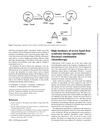 14 citations
,
October 2003 in “Annals of Oncology”
14 citations
,
October 2003 in “Annals of Oncology” About half the patients treated with capecitabine and docetaxel developed severe hand-foot syndrome.
 55 citations
,
October 2019 in “Dermatology and therapy”
55 citations
,
October 2019 in “Dermatology and therapy” Drugs targeting the JAK/STAT pathway can improve atopic dermatitis but vary in effectiveness for vitiligo and alopecia areata, with generally mild safety concerns.
2 citations
,
January 2012 in “PubMed” Mycophenolate mofetil is effective for treating severe lupus nephritis in children.