 66 citations
,
December 2018 in “Dermatology”
66 citations
,
December 2018 in “Dermatology” Both ruxolitinib and tofacitinib are effective and safe for treating severe alopecia areata, but relapses are common.
14 citations
,
September 2024 in “Arthritis & Rheumatology” Type I interferons may help treat skin issues in lupus and dermatomyositis.
20 citations
,
January 2019 in “Toxicology Reports” Dunaliella salina microalgae is safe to eat and may boost health.
39 citations
,
January 2008 in “World Journal of Gastroenterology” Pegylated interferon-alpha 2a can cause a rare nerve disorder, but early treatment can lead to full recovery.
 July 2023 in “Media Dermato Venereologica Indonesiana”
 Early diagnosis, stopping the suspected drug, and supportive care are crucial for treating Stevens-Johnson Syndrome and Toxic Epidermal Necrolysis.
 28 citations
,
December 2006 in “Clinical lung cancer”
28 citations
,
December 2006 in “Clinical lung cancer” Early recognition and management of skin side effects from new cancer therapies can prevent treatment delays.
 December 2025 in “Dermatology The American Medical Journal”
 JAK inhibitors are effective for long-term management of alopecia areata.
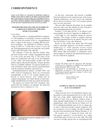 14 citations
,
January 2005 in “Pediatric Dermatology”
14 citations
,
January 2005 in “Pediatric Dermatology” UVA1-light therapy successfully treated a child's skin condition, mycosis fungoides.
5 citations
,
June 2012 in “PubMed” Valproic acid can cause a skin condition called leukocytoclastic vasculitis, which usually gets better after stopping the drug.
23 citations
,
January 2016 in “Frontiers in immunology” Using low-dose IL-2 to increase regulatory T cells might be a safe way to treat type 1 diabetes without severe side effects.
 August 2009 in “Australian Prescriber”
 Eculizumab helps reduce blood transfusions and stabilize hemoglobin but increases infection risk and is expensive.
June 2025 in “Acta Dermato Venereologica” Low-dose Ritlecitinib may help children with stubborn Alopecia Areata.
 124 citations
,
October 2019 in “Frontiers in Immunology”
124 citations
,
October 2019 in “Frontiers in Immunology” Janus kinase inhibitors are promising treatments for autoimmune skin diseases like eczema and psoriasis.
 2 citations
,
January 2018 in “Elsevier eBooks”
2 citations
,
January 2018 in “Elsevier eBooks” Targeted therapies for lung cancer are effective but require careful management of side effects to benefit patients.
 2 citations
,
January 2022 in “BioMed Research International”
2 citations
,
January 2022 in “BioMed Research International” LED light therapy at 863 nm wavelength can slow down skin tumor growth and reduce inflammation in mice.
6 citations
,
August 2020 in “Oncology nursing forum” Minocycline reduces acne rash, pyridoxine lowers hand-foot syndrome risk, and scalp cooling lessens hair loss from cancer treatments.
January 2026 in “Microorganisms” Bifidobacterium animalis subsp. lactis J12 helps reduce atopic dermatitis symptoms.
18 citations
,
August 2024 in “eLife” JAK inhibition may help manage autoimmune conditions in Down syndrome.
 12 citations
,
June 2010 in “Journal of dermatology”
12 citations
,
June 2010 in “Journal of dermatology” Some patients with severe alopecia areata developed skin darkening from their treatment, which may indicate a less effective response to the therapy.
 1 citations
,
April 2022 in “Rheumatology”
1 citations
,
April 2022 in “Rheumatology” Juvenile dermatomyositis can worsen quickly and needs strong treatment.
5 citations
,
March 2023 in “PubMed” Advanced therapy medicinal products show promise for vitiligo treatment with fewer side effects, but affordability is a challenge.
January 2024 in “Scripta Medica” Nanoparticle delivery can reduce side effects of the cancer drug doxorubicin.
 January 2025 in “The Egyptian Journal of Hospital Medicine”
 Baricitinib is effective and safe for treating localized vitiligo, alone or with topical tacrolimus.
28 citations
,
September 2014 in “Journal of Veterinary Internal Medicine” VDC-1101 shows potential as a treatment for canine cutaneous T-cell lymphoma.
June 2026 in “ACS Applied Materials & Interfaces” Dandelion-derived carbon dots effectively kill bacteria and speed up wound healing.
2 citations
,
February 2025 in “Journal of the European Academy of Dermatology and Venereology” JAK inhibitors may effectively treat lichen planopilaris and frontal fibrosing alopecia with minimal side effects.
November 2025 in “Drug Delivery and Translational Research” 55 citations
,
July 2020 in “International Wound Journal” Fat grafting and PRP are safe for diabetic foot ulcers, but no significant healing differences were found.
 1 citations
,
June 2018 in “International Journal of Dermatology”
1 citations
,
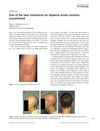
June 2018 in “International Journal of Dermatology” DNCB is highly effective for treating alopecia areata with minimal long-term side effects.
8 citations
,
March 2023 in “PubMed” JAK inhibitors show promise in treating difficult skin diseases.