34 citations
,
October 1998 in “PubMed” Future drugs targeting specific hair growth steps could improve treatments for hair growth issues.
11 citations
,
April 1993 in “PubMed” Human hair cells can change based on their environment, especially interactions with certain skin cells.
 July 2026 in “Zenodo (CERN European Organization for Nuclear Research)”
 Biochanin A from soy is a promising and safe candidate for treating hair loss.
 July 2026 in “Zenodo (CERN European Organization for Nuclear Research)”
 Biochanin A is the safest herbal compound for potential hair loss treatment.
 May 2026 in “Open Science Framework”
 Biochanin A from soy is a promising and safe candidate for treating hair loss.
 May 2026 in “Zenodo (CERN European Organization for Nuclear Research)”
 Biochanin A from soy is a promising and safe candidate for treating hair loss.
 25 citations
,
April 1949 in “The journal of experimental zoology”
25 citations
,
April 1949 in “The journal of experimental zoology” Testosterone applied to rabbit skin increases skin cell growth and changes skin structure.
 70 citations
,
November 1984 in “Cell & tissue research/Cell and tissue research”
70 citations
,
November 1984 in “Cell & tissue research/Cell and tissue research” Vitamin D3 affects cell differentiation in specific skin areas.
 April 2024 in “bioRxiv (Cold Spring Harbor Laboratory)”
 GRK2 is essential for healthy hair follicle function, and its absence can lead to hair loss and cysts.
 September 2016 in “Journal of dermatological science”
 Epidermal stem cells use integrin β1 and α6 as markers and CD271+ cells help maintain skin health and heal wounds.
January 2025 in “Journal of Controlled Release” A new microneedle patch helps treat hair loss by improving drug delivery to hair follicles.
18 citations
,
October 2021 in “Journal of Advanced Research” A new tissue engineering method could greatly improve hair regeneration therapies.
2 citations
,
September 2020 in “Pakistan Journal of Zoology” Adult Red Sindhi cattle have thicker skin and more developed skin features than young cattle.
25 citations
,
October 1975 in “Journal of Cutaneous Pathology” Hair growth in alopecia areata is hindered due to impaired cell activity in the surrounding tissue.
 41 citations
,
June 2013 in “PLOS ONE”
41 citations
,
June 2013 in “PLOS ONE” Engineered skin substitutes can grow hair but have limitations like missing sebaceous glands and hair not breaking through the skin naturally.
 7 citations
,
January 2019 in “Pharmaceutical Biology”
7 citations
,
January 2019 in “Pharmaceutical Biology” Eclipta prostrata helps hair growth and maintains the growth phase by affecting certain growth factors.
159 citations
,
September 2018 in “Journal of Investigative Dermatology” Papillary and reticular fibroblasts have distinct roles and are influenced by their environment.
March 2021 in “CRC Press eBooks” Microneedling helps improve skin and hair by creating tiny, controlled skin injuries.
August 2024 in “Journal of Controlled Release” A new treatment using hybrid vesicles with gold nanoparticles and finasteride significantly improves hair regrowth for androgenetic alopecia.
14 citations
,
February 2011 in “Experimental dermatology” A protein called COMP is part of the connective tissue in normal human hair follicles and may be important for hair health.
 September 2017 in “Journal of Investigative Dermatology”
 Hair follicle cells change their DNA packaging during growth cycles and when grown in the lab.
 23 citations
,
September 2011 in “Journal of Dermatological Science”
23 citations
,
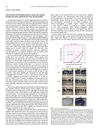
September 2011 in “Journal of Dermatological Science” Red LED light helps mouse hair grow by increasing growth factors from skin cells.

Hair growth is maintained by specific cell signals.
 1 citations
,
September 2017 in “Journal of Investigative Dermatology”
1 citations
,
September 2017 in “Journal of Investigative Dermatology” Hair care products reduced hair roughness, a combination of Stemoxydine and Resveratrol increased hair density, fermented mackerel oil promoted hair growth, and genes TERT and Bmi-1 helped create new hair follicles.
 1 citations
,
August 2016 in “Journal of Investigative Dermatology”
1 citations
,
August 2016 in “Journal of Investigative Dermatology” Activating STAT5 in the skin's dermal papilla is key for starting hair growth, regenerating hair follicles, and healing wounds.
 March 1998 in “Journal of dermatological science”
 Protease Nexin-1 is found in human hair growth cells and is affected by male hormones.
 39 citations
,
June 2013 in “Journal of Cosmetic Dermatology”
39 citations
,
June 2013 in “Journal of Cosmetic Dermatology” Herbal extracts and platelet-rich plasma together may help increase hair growth by making certain cells grow more, through specific cell growth pathways.
 314 citations
,
April 2010 in “Developmental Cell”
314 citations
,
April 2010 in “Developmental Cell” β-catenin in the dermal papilla is crucial for normal hair growth and repair.
 211 citations
,
April 2013 in “Development”
211 citations
,
April 2013 in “Development” More dermal papilla cells in hair follicles lead to larger, healthier hair, while fewer cells cause hair thinning and loss.
 95 citations
,
January 2012 in “British Journal of Dermatology”
95 citations
,
January 2012 in “British Journal of Dermatology” Androgens block hair growth by disrupting cell signals; targeting GSK-3 may help treat hair loss.