5 citations
,
January 2025 in “BMC Medical Informatics and Decision Making” Computer vision techniques can help detect and assess skin conditions like vitiligo, alopecia areata, and dermatitis.
 36 citations
,
October 2022 in “ULTRASONOGRAPHY”
36 citations
,
October 2022 in “ULTRASONOGRAPHY” Ultrasonography in dermatology improves diagnosis and treatment of skin conditions.
 February 2025 in “Physician s Journal of Medicine”
 Recognizing skin symptoms can help diagnose and manage COVID-19.
 1 citations
,
September 2025 in “Dermatology and Therapy”
1 citations
,
September 2025 in “Dermatology and Therapy” GLP-1 RAs help with diabetes and skin issues but can cause skin reactions and surgery challenges.
 August 2023 in “American Journal of Hospice and Palliative Medicine”
 People in palliative care often have skin problems due to their main illness or other health issues, and treatments focus on comfort and quality of life.
 January 2022 in “Turkiye Klinikleri Journal of Dermatology”
 The Turkish version of the MAIA-2 Scale is valid and reliable for patients at a dermatology clinic.
 29 citations
,
June 2005 in “Journal of Zoo and Wildlife Medicine”
29 citations
,
June 2005 in “Journal of Zoo and Wildlife Medicine” Most hair loss in captive rhesus macaques is likely due to environmental and behavioral factors.
79 citations
,
January 1999 in “Dermatologic surgery” Different skin treatments work best for different levels of wrinkles and sun damage.
July 1988 in “Archives of Dermatology” Understanding androgen metabolism and thorough medical history are crucial for assessing and treating hair disorders.
 1 citations
,
December 2024 in “Revista Eletrônica Acervo Saúde”
1 citations
,
December 2024 in “Revista Eletrônica Acervo Saúde” Black skin has unique features and conditions, needing tailored dermatological care.
1 citations
,
January 2014 Current methods for assessing bioequivalence of topical drugs are limited and lack standardization.
 1 citations
,
January 2005 in “Side effects of drugs annual”
1 citations
,
January 2005 in “Side effects of drugs annual” The document concluded that various dermatological treatments have different effectiveness and side effects, with some causing irritation, allergic reactions, or systemic effects.
 July 2026 in “International Journal of Biology Pharmacy and Allied Sciences”
 Dermoscopy and natural oil blends help diagnose and treat skin issues effectively.
13 citations
,
January 2019 in “Journal of the American Academy of Dermatology” Most people using biotin don't see skin improvements, and it may affect lab tests, so doctors shouldn't suggest it without confirming a deficiency.
 3 citations
,
January 2022 in “Cutis”
3 citations
,
January 2022 in “Cutis” Telemedicine is effective for diagnosing hair loss, especially in people with darker skin, during the pandemic.
April 2026 in “Current HIV Research” Skin disorders in HIV patients have shifted, with more sexually transmitted infections and ART-related conditions now common.
 August 2025 in “Journal of the Pakistan Medical Association”
 Skin issues might be linked to infertility.
 April 2026 in “Diagnostics”
 Skin changes in obesity can indicate metabolic issues but aren't reliable for assessing risk or monitoring treatment.
 February 2026 in “Indian Journal of Skin Allergy”
 Ruxolitinib cream effectively treats skin conditions like atopic dermatitis and vitiligo with minimal side effects.
 March 2025 in “Journal of Cutaneous Medicine and Surgery”
 Few dermatologists in Ontario accept OHIP referrals for hair loss, leading to long wait times and high fees.
 January 2025 in “Diagnostics”
 3D high-frequency ultrasound can help diagnose skin and hair conditions without invasive biopsies.
1 citations
,
December 2023 in “Molecules/Molecules online/Molecules annual” JAK inhibitors show promise for treating various skin diseases.
 46 citations
,
August 2019 in “Journal of the European Academy of Dermatology and Venereology”
46 citations
,
August 2019 in “Journal of the European Academy of Dermatology and Venereology” People with hair loss conditions experience more anxiety, depression, and a lower quality of life than those without these conditions.
May 2024 in “Psychotherapie Forum” Behavioral and hypnotherapy improved self-esteem but didn't regrow hair in Alopecia areata.
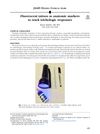 July 2018 in “Journal of The American Academy of Dermatology”
 Fluorescent tattoos are a good way to mark the scalp for hair treatments because they're accurate, invisible in normal light, and have low risk.
 29 citations
,
July 2009 in “Journal of Dermatology”
29 citations
,
July 2009 in “Journal of Dermatology” 5% minoxidil works better for hair growth than 1% minoxidil.
 13 citations
,
December 2017 in “Journal of Cosmetic and Laser Therapy”
13 citations
,
December 2017 in “Journal of Cosmetic and Laser Therapy” Low-level laser therapy can stimulate hair growth more effectively than fake devices, but patient satisfaction is similar for both. Results should be taken with caution due to small study sizes and differences between studies. More research is needed.
 12 citations
,
June 2024 in “Archives of Dermatological Research”
12 citations
,
June 2024 in “Archives of Dermatological Research” Older people at home often have skin issues, but there's little evidence on how to prevent or treat them effectively.
 July 2026 in “Clinical Cosmetic and Investigational Dermatology”
 Poor sleep and high stress are linked to skin, scalp, and hair problems.
June 2026 in “British Journal of Dermatology” Frontal fibrosing alopecia is linked to thyroid disease, lupus, vitiligo, and heart disease.