 March 2026 in “Indian Dermatology Online Journal”
 Dermoscopy can help diagnose secondary syphilis by distinguishing it from other skin issues.
 March 2026 in “Indian Journal of Dermatopathology and Diagnostic Dermatology”
 Corkscrew hairs can help diagnose trichotillomania.
 February 2026 in “International Journal of Research in Dermatology”
 Two adults with unusual scalp fungus symptoms were successfully treated.
 February 2026 in “Journal of Dermatology and Skin Science”
 Dermatologists are key in detecting and managing OCD and BFRBs by working with psychiatrists.
 February 2026 in “International Journal of Science and Research (IJSR)”
 Androgenetic alopecia is the most common hair disorder, affecting more males, while telogen effluvium is more common in females, with stress and nutrition as key factors.
 February 2026 in “Clinical Cosmetic and Investigational Dermatology”
 A 7-year-old girl experienced temporary hair loss due to radiation, with signs of possible hair regrowth.
 January 2026 in “Archives of Current Medical Research”
 Telogen effluvium is the most common hair loss in women, often linked to low iron, while tight hairstyles and headscarves increase traction alopecia risk.
January 2026 in “Clinical Case Reports” A 6-year-old girl had both monilethrix and trichorrhexis nodosa, causing brittle hair, with minimal improvement from treatment.
 January 2026 in “Dermatology Practical & Conceptual”
 Nail changes are common in alopecia areata and can indicate its severity.
January 2026 in “Dermatologic Therapy” Folliculotropic Mycosis Fungoides requires stage-based treatment, with early stages using skin therapies and advanced stages needing aggressive treatments.
December 2025 in “Indian Dermatology Online Journal” Improved diagnosis and affordable topical treatments are essential for managing alopecia areata in India.
 November 2025 in “Journal of Skin and Sexually Transmitted Diseases”
 Trichofolliculoma was found in a person with amniotic band syndrome for the first time.
September 2025 in “Journal of Cosmetic Dermatology” Single-needle radiofrequency is effective and safe for treating facial sebaceous hyperplasia.
 September 2025 in “bioRxiv (Cold Spring Harbor Laboratory)”
 Non-invasive methods can effectively monitor hair growth cycles, aiding hair loss treatment development.
 September 2025 in “Egyptian Journal of Dermatology and Venerology”
 Dermoscopy is crucial for diagnosing rare scalp tumors like trichofolliculoma.
 July 2025 in “JOURNAL OF CLINICAL AND DIAGNOSTIC RESEARCH”
 Trichofolliculoma should be considered in children with scalp nodules for accurate diagnosis and treatment.
 July 2025 in “Russian Journal of Skin and Venereal Diseases”
 Lichen planus on the scalp can cause scarring hair loss and has four main types.
May 2025 in “Dermatology Online Journal” Erlotinib can cause excessive eyelash growth.

Brunsting-Perry pemphigoid can cause scarring hair loss and may be underdiagnosed.
May 2025 in “International Journal of Trichology” Hair Heat Disease is caused by wet, oily hair and friction in hot, humid conditions.
 April 2025 in “Veterinary Dermatology”
 Dermoscopy is useful for identifying skin lesions in dogs, with specific features distinguishing infundibular keratinising acanthomas from follicular cysts.
 February 2025 in “PubMed”
 Thorough scalp exams are crucial for diagnosing hair loss conditions in people with skin of color.

Traumatic anserine folliculosis is a harmless skin condition in young males that needs correct diagnosis to avoid unnecessary treatments.
 January 2025 in “International Journal of Scientific Research”
 12.5% of women with PCOS experience moderate hair loss, highlighting the need for early detection and management.
January 2025 in “NATIONAL BOARD OF EXAMINATIONS JOURNAL OF MEDICAL SCIENCES” Dermoscopy is useful for accurately diagnosing syphilitic alopecia.
January 2025 in “Clinical Case Reports” Follicular porokeratosis may be linked to diabetes and can lead to hair loss.
Liquid nitrogen cryotherapy effectively promotes hair regrowth in alopecia areata.
August 2024 in “Skin Research and Technology” TAF can be identified by excessive skin thickening and clogged hair follicles, helping distinguish it from similar skin conditions.
 August 2024 in “Dermatological Reviews”
 New technologies are improving the diagnosis and treatment of hair and nail disorders.
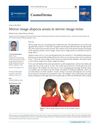
Mirror-image twins can have alopecia areata on opposite sides of their heads.