 2 citations
,
April 2010 in “The Open Dermatology Journal”
2 citations
,
April 2010 in “The Open Dermatology Journal” Corneodesmosin is essential for skin and hair health, and its dysfunction can lead to skin and hair disorders.
 165 citations
,
June 2007 in “European Journal of Cell Biology”
165 citations
,
June 2007 in “European Journal of Cell Biology” Hair follicle stem cells are key for hair and skin regeneration, can be reprogrammed, and have potential therapeutic uses, but also carry a risk of cancer.
 100 citations
,
March 2006 in “Journal of biological chemistry/The Journal of biological chemistry”
100 citations
,
March 2006 in “Journal of biological chemistry/The Journal of biological chemistry” Cystatin M/E strongly inhibits cathepsin V and cathepsin L, important for skin formation.
 38 citations
,
August 2005 in “Veterinary dermatology”
38 citations
,
August 2005 in “Veterinary dermatology” A disease causing skin issues in young adult German short-haired pointers is hereditary, with most affected dogs not responding to treatment.
 8 citations
,
January 2022 in “Burns and trauma”
8 citations
,
January 2022 in “Burns and trauma” Skin cell-derived vesicles can help heal skin injuries effectively.
 2 citations
,
November 2017 in “PloS one”
2 citations
,
November 2017 in “PloS one” Some vitamin D analogs can thicken skin and reduce pore size like a common acne treatment, with one analog also affecting skin growth factors.
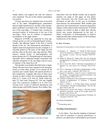 January 1999 in “Journal of the European Academy of Dermatology and Venereology”
 RAPK is a rare skin disorder with pigmented spots, mainly on hands and feet, starting in youth.
 87 citations
,
January 2017 in “PLoS Genetics”
87 citations
,
January 2017 in “PLoS Genetics” Removing both KLK5 and KLK7 proteins can prevent death and skin issues in Netherton syndrome.
 81 citations
,
June 2012 in “European journal of human genetics”
81 citations
,
June 2012 in “European journal of human genetics” Inherited ichthyoses cause widespread skin scaling and thickening due to gene mutations.
 41 citations
,
May 2018 in “Nutrition and healthy aging”
41 citations
,
May 2018 in “Nutrition and healthy aging” Skin aging is largely due to differences in stiffness and elasticity between skin layers, leading to wrinkles.
 19 citations
,
October 2011 in “Clinics in Dermatology”
19 citations
,
October 2011 in “Clinics in Dermatology” New chemotherapy drugs cause skin side effects, but treatments like minocycline and tetracycline can help reduce them.
 2 citations
,
March 2022 in “Portuguese Journal of Nephrology & Hypertension”
2 citations
,
March 2022 in “Portuguese Journal of Nephrology & Hypertension” A rare EGFR mutation in newborns leads to severe health issues and early death.
122 citations
,
December 2022 in “International Journal of Molecular Sciences” Nanoparticles improve skin treatment but need more research on safety and effectiveness.
 61 citations
,
October 1996 in “Development”
61 citations
,
October 1996 in “Development” Hair growth can be stimulated by combining certain skin cells, which can rejuvenate old cells and cause them to specialize in hair follicle creation.
50 citations
,
December 2017 in “British Journal of Dermatology” Different skin cells produce unique materials, which can improve skin substitutes for healing.
December 2025 in “The Journal of Cell Biology” Keratin 15 helps maintain skin cell growth and repair.
77 citations
,
September 2017 in “Journal of Investigative Dermatology” TRPV3 in skin cells causes inflammation and cell death.
 1 citations
,
December 2022 in “The journal of investigative dermatology/Journal of investigative dermatology”
1 citations
,
December 2022 in “The journal of investigative dermatology/Journal of investigative dermatology” Choosing the right method to separate skin layers is key for good skin cell research.
19 citations
,
August 2024 in “Journal of Translational Medicine” Epidermal stem cells are vital for skin healing and have potential for treating skin disorders.
 2 citations
,
May 2023 in “Frontiers in Bioengineering and Biotechnology”
2 citations
,
May 2023 in “Frontiers in Bioengineering and Biotechnology” The document concludes that more research is needed on making and understanding biomaterial scaffolds for wound healing.
192 citations
,
January 2018 in “Burns & Trauma” Current skin substitutes help heal severe burns but don't fully replicate natural skin features.
25 citations
,
February 2025 in “Frontiers in Bioengineering and Biotechnology” New skin repair methods show promise but need to be safer and more accessible.

The new biomimetic skin heals wounds faster and better than traditional treatments, without scarring.
32 citations
,
August 2024 in “Journal of Investigative Dermatology” In vitro skin models are improving but still need more innovation to fully replicate human skin.
18 citations
,
October 2022 in “Biomedicines” Regenerative treatments for vitiligo show promise but need more research for long-term safety and effectiveness.
105 citations
,
December 2017 in “Journal of Biological Engineering” Artificial skin grafts face immune rejection, but stem cells may improve future designs.
23 citations
,
May 2023 in “Cell Proliferation” TGF-β and FGF pathways are crucial for skin development and regeneration.
41 citations
,
January 2015 in “Burns & Trauma” Tissue engineering improves burn scar reconstruction by using skin substitutes and replacing damaged tissues.
8 citations
,
November 2019 in “Tissue Engineering Part A” Functionalized collagen scaffolds applied prenatally greatly improve skin regeneration.
 August 2023 in “International Journal of Molecular Sciences”
 Human skin xenografting could improve our understanding of skin development, renewal, and healing.