1 citations
,
November 2024 in “Orphanet Journal of Rare Diseases” Changes in genes FGA, VWF, and ACTG1 may contribute to pemphigus vulgaris.
 November 2022 in “Journal of Investigative Dermatology”
 Most Recessive Dystrophic Epidermolysis Bullosa patients with a specific mutation likely have Sephardic ancestry from about 500 years ago.
1 citations
,
June 2024 in “Preprints.org” Dermal sheath cells play a key role in wound healing and could impact fibrosis.
January 2000 in “Time to knit” Emulgels are promising for delivering drugs topically due to their easy spreadability and stability.
25 citations
,
August 2020 in “Experimental eye research/Experimental Eye Research” Different types of cells in the eye express specific keratins at various stages of development.
2 citations
,
February 2023 in “Anais Brasileiros de Dermatologia” 6 citations
,
December 2019 in “Frontiers in genetics” GLI1 might protect against the start of skin cancer and is not linked to cancer severity.
 April 2019 in “Journal of Investigative Dermatology”
 Skin grafts from related donors significantly healed chronic wounds in patients with a severe skin condition over a year.
6 citations
,
January 2010 in “Journal of Biochemical and Molecular Toxicology” The ID2 gene can help distinguish between sensitizers and irritants in skin cells.
 260 citations
,
July 2010 in “Cell”
260 citations
,
July 2010 in “Cell” Mutations in the SRD5A3 gene cause a new type of glycosylation disorder by blocking the production of a molecule necessary for protein glycosylation.
 November 2025 in “Bioengineering”
 The new method may improve skin grafts and hair growth.
19 citations
,
March 2021 in “Applied Materials Today” Silk gel helps skin heal without scars better than other materials.
84 citations
,
June 1970 in “Journal of Investigative Dermatology” 92 citations
,
May 2004 in “Journal of Investigative Dermatology” December 2025 in “Biomolecules” Targeting protein S-palmitoylation could lead to new skin disease treatments.
 May 2023 in “Clinical, Cosmetic and Investigational Dermatology”
 The research found proteins in human skin cells that help with wound healing and hair growth, which could lead to new treatments.
1 citations
,
November 2024 in “Life” Desmodesmus pannonicus water extract may help reduce skin pigmentation, heal wounds, and promote hair growth.
January 2016 in “Institutional Repositories DataBase (IRDB)” Sebaceous glands help study fatty acid transporters and binding proteins.
2 citations
,
August 2004 in “Veterinary Dermatology” A dog with a hereditary skin condition causing blisters and hair loss survived for a year.
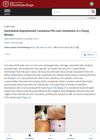 May 2024 in “Indian Journal of Dermatology”
 The woman has a rare skin condition called follicular Dowling-Degos disease, which has limited treatment options.
99 citations
,
March 2013 in “Journal of Investigative Dermatology” Mutations in the ABCB6 gene cause Dyschromatosis Universalis Hereditaria.
GPC1 is important for hair growth by helping blood vessels form around hair follicles.
 October 2024 in “SPIRE - Sciences Po Institutional REpository”
 Glypicans help hair follicle stem cells differentiate by interacting with specific receptors, influencing hair growth.
April 2017 in “Journal of dermatological science” Removing PLCg1 from skin cells caused thicker oil glands and less hair in mice.
18 citations
,
June 2018 in “Journal of Dental Research” Msx2 is essential for proper enamel formation by preventing abnormal cell transformation.
 68 citations
,
December 2011 in “Journal of Investigative Dermatology”
68 citations
,
December 2011 in “Journal of Investigative Dermatology” Sox2-positive dermal papilla cells have unique characteristics and contribute more to skin and hair follicle formation than Sox2-negative cells.
 May 2024 in “The journal of investigative dermatology/Journal of investigative dermatology”
 Applying DMG-Na to the skin increases blood flow and may help with skin conditions.
 April 2019 in “Journal of Investigative Dermatology”
 DPP4-positive fibroblasts play a major role in producing proteins that lead to skin fibrosis.
3 citations
,
December 2024 in “Stem Cell Reports” Low fucosylation boosts stem cell growth in the eye.
 January 2025 in “Dermatology Practical & Conceptual”
 A new genetic model may improve treatment and diagnosis for certain inherited skin diseases.