140 citations
,
February 2014 in “Neuron” Delta opioid receptors help regulate touch sensation by reducing neurotransmitter release in the spinal cord.
 7 citations
,
April 2006 in “Experimental Neurology”
7 citations
,
April 2006 in “Experimental Neurology” Finasteride blocks deoxycorticosterone's anticonvulsant effects in infant rats, but indomethacin doesn't.
November 2024 in “Actas Dermo-Sifiliográficas” Low-dose oral minoxidil can improve hair and eyebrow growth in frontal fibrosing alopecia.
1 citations
,
November 2023 in “Journal of Investigative Dermatology” Farudodstat may effectively treat alopecia areata without harming hair follicles.
 May 2024 in “International Seven Journal of Multidisciplinary”
 More research is needed to better understand and treat Fibrosing Frontal Alopecia.
December 2025 in “Actas Dermo-Sifiliográficas” Use a combination of oral dutasteride, topical treatments, and hydroxychloroquine to manage frontal fibrosing alopecia.
 36 citations
,
December 2017 in “Journal of the American Academy of Dermatology”
36 citations
,
December 2017 in “Journal of the American Academy of Dermatology” Most patients with frontal fibrosing alopecia stabilized with treatment, especially younger ones, using intralesional corticosteroids and tacrolimus.
 32 citations
,
February 2008 in “Journal of the American Academy of Dermatology”
32 citations
,
February 2008 in “Journal of the American Academy of Dermatology” KFSD is a genetic disorder causing hair loss and skin issues, with no effective treatment.
1 citations
,
January 1989 in “Carcinogenesis” Dexamethasone reduces inflammation and delays skin cell changes caused by TPA.
September 2023 in “Journal of the American Academy of Dermatology” Current guidelines may overlook beard and sideburn involvement in diagnosing frontal fibrosing alopecia in men.
14 citations
,
January 2014 in “Annals of Dermatology” Some cases of folliculotropic mycosis fungoides may progress slowly and not need aggressive treatment.
 8 citations
,
December 2020 in “Skin appendage disorders”
8 citations
,
December 2020 in “Skin appendage disorders” Low-dose oral minoxidil helped regrow eyebrows in women with Frontal Fibrosing Alopecia.
36 citations
,
September 1996 in “PubMed” DP and DS cells are different from DF cells in structure and function.
 30 citations
,
January 2020 in “Journal of The American Academy of Dermatology”
30 citations
,
January 2020 in “Journal of The American Academy of Dermatology” Fibrosing alopecia in a pattern distribution is a hair loss condition often confused with other types, requiring early treatment but usually not resulting in significant hair regrowth.
 61 citations
,
January 2019 in “American Journal of Clinical Dermatology”
61 citations
,
January 2019 in “American Journal of Clinical Dermatology” The cause of Frontal Fibrosing Alopecia is unclear, diagnosis involves clinical evaluation and various treatments exist, but their effectiveness is uncertain.
 July 2015 in “Journal of the Dermatology Nurses’ Association”
 A 66-year-old woman experienced hair loss due to Frontal Fibrosing Alopecia, a condition with no consistently effective treatment, but it usually stabilizes over time. More research is needed for better understanding and treatment options.
April 2019 in “Journal of Investigative Dermatology” Targeting immune pathways like JAK/STAT may help treat frontal fibrosing alopecia.
3 citations
,
December 2024 in “Stem Cell Reports” Low fucosylation boosts stem cell growth in the eye.
June 2024 in “Ecotoxicology and Environmental Safety” Finasteride harms Daphnia magna's reproduction, growth, and metabolism.
 August 2021 in “Annals of Agricultural and Environmental Medicine”
 The article concludes that understanding Frontal Fibrosing Alopecia (FFA) is crucial for effective treatment, which includes medication like 5α-reductase inhibitors and hydroxychloroquine.
 16 citations
,
January 2005 in “Pediatric Dermatology”
16 citations
,
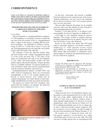
January 2005 in “Pediatric Dermatology” A 10-year-old girl with Fox Fordyce disease improved with treatment, suggesting the disease can occur before puberty and might be underdiagnosed in young girls.
 3 citations
,
April 2010 in “The American Journal of Dermatopathology”
3 citations
,
April 2010 in “The American Journal of Dermatopathology” Most people with scarring and nonscarring hair loss show similar D2-40 levels, but some with scarring hair loss have higher levels.
1 citations
,
August 1999 in “ACS symposium series” Polymer JR400 sticks to hair but washes off with detergent.
11 citations
,
January 1999 in “Dermatology”  5 citations
,
August 2014 in “Journal of The American Academy of Dermatology”
5 citations
,
August 2014 in “Journal of The American Academy of Dermatology” Smoking doesn't cause or prevent Frontal Fibrosing Alopecia, hormonal imbalance may be involved, and a combination of antiandrogens and steroids can help stabilize the condition.
4 citations
,
August 2025 in “Journal of Food Science” Tremella fuciformis polysaccharide has many health benefits and potential uses in food, medicine, and cosmetics.
 April 2017 in “Journal of Investigative Dermatology”
 Laser treatment may help with hair growth in some people with frontal fibrosing alopecia, but results vary and the exact way it works is unclear.
January 1976 in “Revista de Estudios Agrosociales” Frontal fibrosing alopecia and vitiligo might be linked by similar immune issues.
 29 citations
,
July 2010 in “Journal of Cutaneous Medicine and Surgery”
29 citations
,
July 2010 in “Journal of Cutaneous Medicine and Surgery” Treatments for Frontal Fibrosing Alopecia have not been proven effective.