12 citations
,
March 2000 in “Clinical Chemistry” Chronic DHEA supplementation slightly increases testosterone in hair but stays within safe limits.
3 citations
,
January 2011 in “International journal of trichology” Low DHEA-S levels might be linked to alopecia areata and could be a potential treatment target.
A balanced diet is crucial for normalizing hormone levels and managing obesity-related issues.
 30 citations
,
July 2019 in “Endocrinology”
30 citations
,
July 2019 in “Endocrinology” Certain HSD3B1 gene types are linked to worse prostate cancer outcomes and affect treatment response and other health conditions.
 September 2009 in “Annales D Endocrinologie”
 DHEA supplementation may improve quality of life, neuropsychological functions, and sexual satisfaction in individuals with adrenal insufficiency, but more research is needed to confirm its safety and effectiveness.
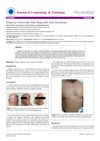 January 2017 in “Journal of cosmetology & trichology”
 A man with severe hair loss regrew hair after hormone treatment.
June 2025 in “V F Snegirev Archives of Obstetrics and Gynecology” A six-year-old girl has early signs of puberty, needs no treatment, but requires regular check-ups for future health risks.
 46 citations
,
May 2009 in “Maturitas”
46 citations
,
May 2009 in “Maturitas” Taking DHEA for a year is generally safe for postmenopausal women but may cause acne and more facial hair without improving metabolism or aging.
 48 citations
,
July 2009 in “The Journal of Sexual Medicine”
48 citations
,
July 2009 in “The Journal of Sexual Medicine” DHEA did not improve sexual function, well-being, or menopausal symptoms in postmenopausal women with low libido but caused side effects like acne and increased facial hair.
 21 citations
,
September 2017 in “Journal of Obstetrics and Gynaecology Research”
21 citations
,
September 2017 in “Journal of Obstetrics and Gynaecology Research” Chromium supplements don't improve insulin, hormone levels, or cholesterol in women with PCOS but raise testosterone levels.
 11 citations
,
April 2018 in “Nutrition Research”
11 citations
,
April 2018 in “Nutrition Research” Chromium supplements don't help with weight loss or improve hormone and metabolism issues in people with polycystic ovary syndrome.
 9 citations
,
November 2008 in “Journal of Womens Health”
9 citations
,
November 2008 in “Journal of Womens Health” Researchers had trouble finding enough participants for a trial on DHEA's effects on postmenopausal women's sexual desire.
 December 2025 in “Scientific Reports”
 Gut microbiota and metabolic pathways may play a key role in PCOS development.
 September 2022 in “Research Square (Research Square)”
 Probiotics and synbiotics may help with PCOS symptoms, but more research is needed.
 1 citations
,
January 2015 in “Hair therapy & transplantation”
1 citations
,
January 2015 in “Hair therapy & transplantation” Some supplements and hormones can increase hair loss by raising DHT levels.
 251 citations
,
October 2014 in “The Journal of Clinical Endocrinology & Metabolism”
251 citations
,
October 2014 in “The Journal of Clinical Endocrinology & Metabolism” The guidelines advise against using testosterone and DHEA in women for most conditions due to safety and effectiveness concerns, but suggest considering testosterone for postmenopausal women with low sexual desire.
 87 citations
,
May 2018 in “Scientific Reports”
87 citations
,
May 2018 in “Scientific Reports” Higher free testosterone levels in men are linked to a stronger immune response, not weaker.
 34 citations
,
December 2012 in “Current Opinion in Clinical Nutrition and Metabolic Care”
34 citations
,
December 2012 in “Current Opinion in Clinical Nutrition and Metabolic Care” Sex hormone treatments can increase muscle mass in older adults but have inconsistent effects on muscle function and may carry cardiovascular risks.
 22 citations
,
January 2015 in “The Cochrane library”
22 citations
,
January 2015 in “The Cochrane library” DHEA may help with sexual function when used intravaginally by menopausal women but is similar to hormone therapy in other aspects and might cause more side effects like acne and hair loss.
 1 citations
,
September 2012 in “Expert Review of Endocrinology & Metabolism”
1 citations
,
September 2012 in “Expert Review of Endocrinology & Metabolism” Androgen replacement therapy can improve libido and mood in women with severe androgen deficiency, but more research is needed on its long-term safety.
 September 2014 in “Springer eBooks”
 Men and women experience skin aging differently due to changes in sex hormone levels with age.
 March 2014 in “Human Physiology”
 DHEA improved brain function and behavior in old monkeys and had additional health benefits.
 8 citations
,
May 1996 in “Endocrinology”
8 citations
,
May 1996 in “Endocrinology” Certain adrenal hormones can strongly stimulate oil gland growth in hamster skin, similar to male hormones.
 403 citations
,
November 2005 in “Journal of Endocrinology”
403 citations
,
November 2005 in “Journal of Endocrinology” Dehydroepiandrosterone (DHEA) is a prohormone important for producing sex steroids and has potential health benefits.
 254 citations
,
September 2014 in “Menopause”
254 citations
,
September 2014 in “Menopause” The NAMS 2014 recommendations guide healthcare providers on treating health issues in midlife women, emphasizing individualized care and informed decision-making.
 75 citations
,
February 2016 in “The Journal of Sexual Medicine”
75 citations
,
February 2016 in “The Journal of Sexual Medicine” Androgens play a role in female sexual function, and testosterone therapy can help women with low sexual desire, but more research is needed on treatments and long-term safety.
 40 citations
,
April 2013 in “Dermato-endocrinology”
40 citations
,
April 2013 in “Dermato-endocrinology” People with chronic Alopecia Areata often have lower vitamin D levels.
 22 citations
,
January 2008 in “Physiological Research”
22 citations
,
January 2008 in “Physiological Research” Steroid sulfatase is important for activating hormones that affect memory, brain function, and certain diseases, and could be a target for treating hormone-related disorders.
 18 citations
,
December 2010 in “Journal of Trace Elements in Medicine and Biology”
18 citations
,
December 2010 in “Journal of Trace Elements in Medicine and Biology” Women with AGA have more androstenedione and dihydrotestosterone, less copper and zinc; copper imbalance affects AGA; treatment improves hormones and minerals.
 6 citations
,
June 2000 in “Psychiatric Services”
6 citations
,
June 2000 in “Psychiatric Services” Maintaining sexual health after menopause is possible with patient approaches, hormone supplements, and therapy, despite needing more research.