 31 citations
,
August 2019 in “Regenerative Medicine”
31 citations
,
August 2019 in “Regenerative Medicine” Human placenta hydrogel helps restore cells needed for hair growth.
90 citations
,
August 2004 in “Physiological Genomics” Dermal papilla cells help skin stem cells grow into hair.
47 citations
,
September 1995 in “British Journal of Dermatology” Diphencyprone therapy for hair loss can cause vitiligo.
 28 citations
,
September 2013 in “Journal of Investigative Dermatology”
28 citations
,
September 2013 in “Journal of Investigative Dermatology” The document concludes that dermal papilla cells are key for hair growth and could be used in new hair loss treatments.
13 citations
,
July 2019 in “PLoS ONE” Deleting podoplanin in mice promotes hair growth by enhancing cell migration.
1 citations
,
January 1979 in “International Journal of Dermatology” Cyproterone acetate effectively treats hirsutism and related conditions.
18 citations
,
January 2021 in “Theranostics” The targeted nanohybrids effectively reduced psoriasis symptoms and improved skin health.
 13 citations
,
September 2010 in “Journal of Dermatological Science”
13 citations
,
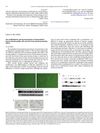
September 2010 in “Journal of Dermatological Science” Researchers made a cell line that grows quickly and can help with hair growth research.
 May 2025 in “International Journal of Molecular Sciences”
 DHHB from Platycladus orientalis L. promotes hair growth and could be a natural alternative to current treatments.
23 citations
,
January 2017 in “BMC Medical Genetics” A new CDH3 gene mutation was found in a Spanish patient with sparse hair and eye issues.
1 citations
,
October 2021 in “The journal of investigative dermatology/Journal of investigative dermatology” Removing HIF-P4H-2 from certain skin cells in mice causes hair loss on the body but not the head.
 9 citations
,
April 2016 in “Australasian journal of dermatology”
9 citations
,
April 2016 in “Australasian journal of dermatology” Combining imiquimod with diphenylcyclopropenone may improve treatment outcomes for alopecia areata patients who don't respond to diphenylcyclopropenone alone.
 15 citations
,
February 2015 in “Cell & tissue research/Cell and tissue research”
15 citations
,
February 2015 in “Cell & tissue research/Cell and tissue research” P-cadherin is important for hair growth and health, and its problems can cause hair and skin disorders.
July 2024 in “Journal of Investigative Dermatology” Allergic contact dermatitis may promote hair growth by activating hair follicle stem cells.
12 citations
,
January 1987 in “Carcinogenesis” TCDD changes skin cell growth and keratin production in mice.
20 citations
,
June 2019 in “Archives of dermatological research” Combining DPCP and anthralin helps regrow hair in some alopecia areata patients.
13 citations
,
February 2024 in “Clinical Cosmetic and Investigational Dermatology” Polynucleotides HPT improves Asian skin tone, firmness, and glow safely.
November 2020 in “Journal of the American Academy of Dermatology” Intense pulsed light with radiofrequency showed mixed results in improving quality of life for hidradenitis suppurativa patients, with no clinical improvements.
84 citations
,
August 1991 in “British Journal of Dermatology” Most children treated with diphencyprone regrew some or all of their hair.
August 2024 in “Indian Dermatology Online Journal” DCPA commonly affects males' lower legs, showing follicular pustules and white areas.
 68 citations
,
August 2014 in “Stem Cells Translational Medicine”
68 citations
,
August 2014 in “Stem Cells Translational Medicine” Dermal papilla cells help wounds heal better and can potentially grow new hair.
 49 citations
,
April 1997 in “Human reproduction”
49 citations
,
April 1997 in “Human reproduction” Hormone therapy for excessive hair growth is as good with GnRHa as with high-dose CPA, but GnRHa has longer-lasting results.
 May 2023 in “Research Square (Research Square)”
 The HDDPiW-jSB solution may prevent hair loss caused by docetaxel in rats when applied regularly.
3 citations
,
August 2018 in “Stem cells international” Hair follicle cells help maintain and support stem cells and blood cell formation.
 October 2024 in “Biology”
 Dermal papilla cells can help regrow hair and are promising for hair loss treatments.
January 2018 in “한국피부장벽학회지” DHCer levels in hair could be a biomarker for alopecia progression.
2 citations
,
January 2009 in “Human cell culture”  6 citations
,
January 2020 in “Methods in molecular biology”
6 citations
,
January 2020 in “Methods in molecular biology” The method successfully isolates cells that are important for hair growth and could help study hair loss.
 August 2016 in “Journal of Investigative Dermatology”
 DHT reduces a cell's ability to promote hair growth, while 3D culture without DHT improves it.
14 citations
,
May 2019 in “Chemosphere” Females have higher Dechlorane Plus in hair, while males have more in dorm dust.