 September 2022 in “Institutional Repositories DataBase (IRDB)”
 Adipose-derived stem cells can be transformed into hair-forming cells using specific extracellular vesicles, offering potential for hair regeneration therapies.
 1 citations
,
August 2023 in “Expert opinion on drug delivery”
1 citations
,
August 2023 in “Expert opinion on drug delivery” Cedrol-loaded microneedles effectively promote hair growth.
January 2002 in “Chinese Journal of Pharmaceuticals” A new method was developed to make a compound used in finasteride and epristeride with a 69% yield.
 15 citations
,
January 2009 in “International Journal of Andrology”
15 citations
,
January 2009 in “International Journal of Andrology” Liquorice may reduce testosterone and affect male reproductive organs, potentially helping treat conditions like prostate cancer.
 March 2026 in “International Journal of Pharmaceutics and Drug Analysis”
 The polyherbal emulgel is a promising treatment for rheumatoid arthritis with effective and sustained results.
1 citations
,
January 2022 in “Journal of Drug Delivery Science and Technology” The optimized microemulsion with cinnamon oil effectively delivers finasteride through the skin without damaging hair.
27 citations
,
February 2005 in “Journal of Cellular Biochemistry” Male cells need DHT to respond to testosterone, while female cells do not.
22 citations
,
June 2002 in “Journal of Medicinal Chemistry” Compounds 15, 20, and 25 are strong inhibitors of human steroid 5α-reductase type 2.
33 citations
,
August 2000 in “Experimental Cell Research”  April 2016 in “Journal of Investigative Dermatology”
 Lithocholic acid helps hair growth and regeneration in alopecia by activating vitamin D receptors.
 January 2019 in “ISGE series”
 Estrogen helps prevent artery plaque by stopping monocyte capture in blood vessels.
A new method improves betulin delivery in experiments, showing promise against certain tumors.
June 2024 in “Current Developments in Nutrition” KeraGLO improves skin and hair health.
September 2025 in “JID Innovations” Squaric acid dibutylester promotes hair growth by activating immune cells, especially macrophages.
 19 citations
,
March 1961 in “Nature”
19 citations
,
March 1961 in “Nature” A fatty acid/protein complex in human hair helps protect it from damage.
July 2025 in “Journal of Investigative Dermatology” Solid Lipid Particle technology makes retinol more stable, effective, and gentle on the skin.
28 citations
,
July 2005 in “Journal of Investigative Dermatology” Sca-1+ cells in newborn mouse skin may become fat cells.
 108 citations
,
July 2002 in “Molecular and cellular biology”
108 citations
,
July 2002 in “Molecular and cellular biology” Overexpressing Dsg3 in mice skin causes excessive cell growth and abnormal skin development.
Encapsulating hair follicle cells in a special gel boosts their activity.
168 citations
,
January 2005 in “Journal of Investigative Dermatology” Male and female mice have different skin thickness, and hormones affect their skin and hair growth differently.
May 2004 in “International Journal of Cosmetic Science” Choosing the right emollients and emulsifiers can improve the effectiveness of active ingredients in cosmetics.
November 2025 in “Journal of Investigative Dermatology” Skin-associated cartilage cells can influence hair growth by altering specific signaling pathways.
 June 2015 in “Biomedical and biopharmaceutical research”
 The congress showed advancements in skin hydration, barrier function, and safe, effective new cosmetic formulations.
58 citations
,
February 2013 in “Journal of Biological Chemistry” LGR5 mainly stays inside cells, moving to the trans-Golgi network, and this process is important for its role in cell signaling.
130 citations
,
March 2014 in “Proceedings of the National Academy of Sciences of the United States of America” Epidermal Wnt/β-catenin signaling controls fat cell formation and hair growth.
 15 citations
,
May 2016 in “Die Pharmazie”
15 citations
,
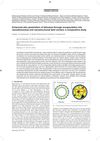
May 2016 in “Die Pharmazie” Nanostructured lipid carriers deliver lidocaine to the skin better than nanoethosomes.
December 2013 in “Tehran University Medical Journal TUMS Publications” People with androgenetic alopecia may have higher cholesterol and triglycerides, suggesting a higher risk of heart disease.
March 2019 in “Reactions Weekly”  May 2023 in “Research Square (Research Square)”
 Patients with acne and insulin resistance have different blood metabolites compared to those with only acne, which could help in diagnosis and treatment.