6 citations
,
June 2023 in “Journal of the European Academy of Dermatology and Venereology” Inflammation damages sweat ducts, causing sweat gland injury.
6 citations
,
July 2017 in “Clinical and Experimental Dermatology” Four new cases confirmed the unique features of follicular porokeratosis.
6 citations
,
September 2014 in “Journal of the American Academy of Dermatology” Researchers found a potential new type of skin growth called follicular mucinous nevus.
6 citations
,
March 2007 in “BioTechniques” PCR genotyping in cre-loxP mice can be inaccurate due to unintended gene deletions in non-target tissues.
5 citations
,
February 2025 in “Journal of Clinical Medicine” A new method improves alopecia diagnosis using non-invasive steps.
 5 citations
,
February 2014 in “PubMed”
5 citations
,
February 2014 in “PubMed” The document concludes that objective methods are important for diagnosing different types of alopecia and monitoring treatment, and standardizing these techniques is necessary.
 5 citations
,
October 1984 in “The BMJ”
5 citations
,
October 1984 in “The BMJ” Up to 50% of scalp hair can be lost before it appears thin, and treatment is only needed for hair loss caused by diseases or deficiencies.
2 citations
,
September 2025 in “JDDG Journal der Deutschen Dermatologischen Gesellschaft” AI can accurately diagnose and assess alopecia areata using scalp images.
 2 citations
,
August 2023 in “Journal of the American Academy of Dermatology”
2 citations
,
August 2023 in “Journal of the American Academy of Dermatology” New treatments for hair loss are emerging, and doctors need to learn how to use them effectively.
 2 citations
,
March 2018 in “Biotechnology Letters”
2 citations
,
March 2018 in “Biotechnology Letters” Scientists created a new cell line from Cashmere goat hair and found that cytokeratin 13 is a unique marker for certain skin cells.
 2 citations
,
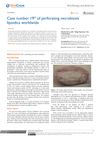
January 2018
2 citations
,
January 2018 The document reports the 19th global case of a rare skin condition in a patient from Colombia.
 2 citations
,
July 2013 in “InTech eBooks”
2 citations
,
July 2013 in “InTech eBooks” Scalp biopsy helps tell apart permanent and temporary hair loss types and guides treatment.
 2 citations
,
March 2011 in “Journal of Cutaneous Pathology”
2 citations
,
March 2011 in “Journal of Cutaneous Pathology” The document suggests simplifying alopecia diagnosis and improving techniques for better accuracy.
1 citations
,
January 2025 in “JAAD reviews.” Hypertrichosis involves excessive hair growth and needs careful diagnosis and treatment, considering its psychological effects.
 1 citations
,
December 2024 in “Scientific Data”
1 citations
,
December 2024 in “Scientific Data” Researchers identified key molecular changes in goat hair follicles that could improve cashmere production.
1 citations
,
October 2023 in “Frontiers in Oncology” Genomic profiling for myeloid cancers can find important inherited mutations, but it's challenging when these mutations aren't related to the patient's symptoms.
 1 citations
,
October 2018 in “InTech eBooks”
1 citations
,
October 2018 in “InTech eBooks” The document concludes that treatments for cicatricial alopecia are not well-supported by evidence, but hair transplantation shows more predictable and satisfactory results.
1 citations
,
April 2018 in “Turkish Journal of Dermatology” Childhood hypertrichosis is excessive hair growth not linked to hormones, with types based on location and origin.
 1 citations
,
January 2016 in “Elsevier eBooks”
1 citations
,
January 2016 in “Elsevier eBooks” The document concludes that identifying the specific cells where skin cancers begin is important for creating better prevention, detection, and treatment methods.
1 citations
,
January 2013 in “Pediatric Annals” The girl's thin hair was due to loose anagen syndrome, not other hair loss types.
1 citations
,
April 1992 in “PubMed” Female androgenetic alopecia is a type of hair loss in women, sometimes linked to other symptoms.

Alopecia areata and androgenic alopecia can be confused, but careful examination helps tell them apart.
 July 2026 in “Zenodo (CERN European Organization for Nuclear Research)”
 Alopecia areata and androgenic alopecia can be confused, so careful evaluation is needed to tell them apart.
March 2026 in “Drug Testing and Analysis” PTeCA is a reliable marker for detecting oxidative hair treatments.
January 2026 in “JDDG Journal der Deutschen Dermatologischen Gesellschaft” Deep-learning models can effectively diagnose and assess Alopecia areata using scalp images.
 December 2025 in “International Journal For Multidisciplinary Research”
 Microscopic hair analysis is important in forensics but has limitations; new technologies are improving its accuracy.
Lower serum irisin levels are linked to androgenetic alopecia but not to insulin resistance.
The model accurately predicts hair loss severity in alopecia areata.

Trichotillomania treatment is improving with behavior therapy and new drug approaches, but challenges like stigma and underdiagnosis remain.
August 2025 in “Frontiers in Endocrinology” Biochemical markers help diagnose ovarian tumors in postmenopausal women.