 February 2026 in “Frontiers in Medicine”
 Topical immunotherapy is still effective for managing alopecia areata, even with new treatments available.
 January 2025 in “Repository of the Academy's Library (Library of the Hungarian Academy of Sciences)”
 Baricitinib is effective and safe for treating severe alopecia areata.
 April 2024 in “Research Square”
 IBD patients treated with TNF antagonists may develop autoimmune alopecia areata, with severe cases less likely to improve.
 February 2024 in “Curēus”
 Secukinumab can cause hair loss, which may improve after stopping the medication.
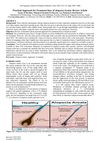 July 2023 in “The Egyptian Journal of Hospital Medicine ”
 The conclusion is that emotional support and a variety of treatments are important for alopecia areata, but more research is needed.
 October 2021 in “The Egyptian Journal of Hospital Medicine”
 Alopecia areata causes patchy hair loss and involves immune system disruptions.
 July 2018 in “Benha Journal of Applied Sciences”
 Higher levels of miR-203 may contribute to hair loss in alopecia areata.
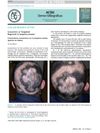 April 2016 in “Actas Dermo-Sifiliográficas”
 The document concludes that a unique target-like hair regrowth pattern in alopecia areata may be more common than thought and should be properly identified.
 January 2012 in “Yearbook of Dermatology and Dermatologic Surgery”
 Alopecia areata is a hair loss condition that often starts before age 30 and can affect various body parts, with unpredictable hair regrowth chances.

The patient with total hair loss did not regrow hair despite treatment, indicating a poor outlook for this type of hair loss.
 391 citations
,
January 2010 in “Journal of The American Academy of Dermatology”
391 citations
,
January 2010 in “Journal of The American Academy of Dermatology” Half of people with Alopecia Areata may see hair regrowth within a year without treatment, but recovery is unpredictable.
 182 citations
,
October 2003 in “British Journal of Dermatology”
182 citations
,
October 2003 in “British Journal of Dermatology” The 2003 guidelines suggest that while some treatments can regrow hair in alopecia areata, none alter the disease's progression, and wigs may be the best option for extensive hair loss.
 89 citations
,
March 2018 in “The Journal of Dermatology”
89 citations
,
March 2018 in “The Journal of Dermatology” Trichoscopy helps diagnose and monitor alopecia areata by looking at a combination of specific hair and scalp features.
 85 citations
,
October 2012 in “Dermatologic Clinics”
85 citations
,
October 2012 in “Dermatologic Clinics” Alopecia Areata is an autoimmune condition often starting before age 20, with varied treatment success and a need for personalized treatment plans.
 72 citations
,
February 2011 in “The American Journal of Dermatopathology”
72 citations
,
February 2011 in “The American Journal of Dermatopathology” Anti-TNF therapy can cause a unique type of hair loss that may get better with topical treatments without stopping the therapy.
 56 citations
,
January 2021 in “Clinical and Experimental Medicine”
56 citations
,
January 2021 in “Clinical and Experimental Medicine” The document concludes that while there are various treatments for Alopecia Areata, there is no cure, and individualized treatment plans are essential due to varying effectiveness.
 42 citations
,
January 2008 in “Dermatology”
42 citations
,
January 2008 in “Dermatology” Dermoscopy effectively distinguishes between acute total hair loss and other types of female hair loss.
 35 citations
,
November 2010 in “Journal of Cutaneous Pathology”
35 citations
,
November 2010 in “Journal of Cutaneous Pathology” Dilated follicular infundibula and increased catagen/telogen follicles are key indicators for diagnosing alopecia areata.
 30 citations
,
December 2001 in “Experimental dermatology”
30 citations
,
December 2001 in “Experimental dermatology” Gonadal hormones significantly affect the severity of alopecia areata in mice.
 26 citations
,
September 2012 in “Journal of The American Academy of Dermatology”
26 citations
,
September 2012 in “Journal of The American Academy of Dermatology” Patients with rapidly progressive alopecia areata often have a better outlook and shorter disease duration, with regrown fine hairs and no past alopecia being positive signs.
 24 citations
,
January 2008 in “KARGER eBooks”
24 citations
,
January 2008 in “KARGER eBooks” The document concludes that ongoing research using animal models is crucial for better understanding and treating Alopecia Areata.
 22 citations
,
July 2012 in “International Journal of Trichology”
22 citations
,
July 2012 in “International Journal of Trichology” Miniaturized hairs stay connected to muscle in alopecia areata, allowing possible regrowth, but not in androgenetic alopecia.
 21 citations
,
January 2014 in “International Journal of Trichology”
21 citations
,
January 2014 in “International Journal of Trichology” The study concluded that yellow dots are a common and useful sign for diagnosing alopecia areata in dark-skinned individuals and may indicate the severity of the condition.
 14 citations
,
January 2017 in “Skin appendage disorders”
14 citations
,
January 2017 in “Skin appendage disorders” Simvastatin/ezetimibe did not effectively treat severe alopecia areata and caused side effects in some patients.
 12 citations
,
August 2019 in “Dermatitis”
12 citations
,
August 2019 in “Dermatitis” Dupilumab for skin problems might reactivate hair loss in some patients.
 10 citations
,
January 2023 in “Acta dermato-venereologica”
10 citations
,
January 2023 in “Acta dermato-venereologica” Baricitinib and deuruxolitinib are effective for treating alopecia areata, but their efficacy depends on the dose.
 7 citations
,
January 2018 in “International Journal of Dermatology”
7 citations
,
January 2018 in “International Journal of Dermatology” Syphilis can cause hair loss without other symptoms and should be considered when diagnosing unexplained hair loss.
 7 citations
,
December 2016 in “British Journal of Dermatology”
7 citations
,
December 2016 in “British Journal of Dermatology” The report suggests that hair loss in Cronkhite-Canada syndrome may be caused by alopecia areata incognita, as shown by a patient's improvement with treatment.
 7 citations
,
January 2012 in “International Journal of Trichology”
7 citations
,
January 2012 in “International Journal of Trichology” Two siblings both had a rare case of alopecia areata at the same time.
 4 citations
,
January 2022 in “Drug design, development and therapy”
4 citations
,
January 2022 in “Drug design, development and therapy” Intramuscular corticosteroids are effective and safe for severe alopecia areata, with most patients regrowing hair, but nearly half may relapse.