 5 citations
,
July 2019 in “Journal of Cutaneous Medicine and Surgery”
5 citations
,
July 2019 in “Journal of Cutaneous Medicine and Surgery” Isotretinoin may cause hair loss, especially in women and young adults.
 5 citations
,
November 2017 in “Dermatologica Sinica”
5 citations
,
November 2017 in “Dermatologica Sinica” Transverse scalp biopsies are more accurate for diagnosing non-cicatricial alopecia, but examining both types is best for accuracy.
 5 citations
,
January 2015 in “Current problems in dermatology”
5 citations
,
January 2015 in “Current problems in dermatology” The document provides a practical guide for diagnosing and treating various types of hair loss.
 3 citations
,
November 2020 in “Clinical, Cosmetic and Investigational Dermatology”
3 citations
,
November 2020 in “Clinical, Cosmetic and Investigational Dermatology” Early diagnosis and combination therapy, especially with finasteride and dutasteride, are key to managing Frontal Fibrosing Alopecia effectively.
 2 citations
,
March 2021 in “Cosmetics”
2 citations
,
March 2021 in “Cosmetics” Hair transplant surgery is the most effective, safe, and satisfying treatment for hair loss.
 2 citations
,
January 2018 in “International journal of research in dermatology”
2 citations
,
January 2018 in “International journal of research in dermatology” Intralesional corticosteroids are the best for limited alopecia areata, oral steroids are less effective, and PRP is safe and promising, especially for children and severe cases.
 2 citations
,
December 2017 in “Bangladesh Journal of Pharmacology”
2 citations
,
December 2017 in “Bangladesh Journal of Pharmacology” Black seed oil significantly protects against hair loss from chemotherapy.
 2 citations
,
April 2017 in “Actas Dermo-Sifiliográficas”
2 citations
,
April 2017 in “Actas Dermo-Sifiliográficas” Best treatment for Frontal Fibrosing Alopecia is 5-alpha-reductase inhibitors and intralesional corticosteroids.
 2 citations
,
June 2000 in “Journal of The American Academy of Dermatology”
2 citations
,
June 2000 in “Journal of The American Academy of Dermatology” Mutation in hairless gene may increase hair loss risk.
 1 citations
,
May 2024 in “Dermatology and Therapy”
1 citations
,
May 2024 in “Dermatology and Therapy” Frontal Fibrosing Alopecia needs better diagnostics and treatments, with dutasteride showing promise.
 1 citations
,
August 2019 in “Australasian journal of dermatology”
1 citations
,
August 2019 in “Australasian journal of dermatology” Immunotherapy can help treat severe alopecia areata.
 1 citations
,
April 2019 in “Acta Medica Philippina”
1 citations
,
April 2019 in “Acta Medica Philippina” Azathioprine may help treat severe alopecia areata, but more research is needed.
 1 citations
,
December 2013 in “Journal of Evolution of Medical and Dental Sciences”
1 citations
,
December 2013 in “Journal of Evolution of Medical and Dental Sciences” Alopecia areata causes patchy hair loss due to unknown factors, affecting all ages and genders.
 1 citations
,
January 2013 in “Mayo Clinic Proceedings”
1 citations
,
January 2013 in “Mayo Clinic Proceedings” A woman's chronic headaches and hair loss were cured by treating her syphilis.
 1 citations
,
April 2010 in “Expert Review of Dermatology”
1 citations
,
April 2010 in “Expert Review of Dermatology” The document concludes that early diagnosis and treatment are crucial for managing rare hair loss disorders and that more research is needed to improve treatment strategies.
 1 citations
,
January 2010
1 citations
,
January 2010 Mesotherapy is more effective than topical spray for female hair loss treatment.
 April 2026 in “International Journal of Drug Delivery Technology”
 Alopecia can often be managed effectively with various treatments, but early diagnosis is crucial for preventing permanent hair loss.
 March 2026 in “Dermatology Reports”
 FFA has higher long-term remission rates than LPP.
 March 2026 in “International Journal of Research and Review”
 Rosmarinus officinalis tincture significantly improves hair volume and density.
 March 2026 in “Trends in Sciences”
 A mouse model was created to study hair loss similar to humans.
 January 2026 in “International Journal of All Research Education & Scientific Methods”
 Alopecia is caused by various factors, and new treatments like gene editing and regenerative medicine offer hope for personalized hair regrowth solutions.
 October 2024 in “Journal of Education Health and Sport”
 Alopecia areata treatment should be personalized, using topical or systemic therapies based on severity, with promising options like JAK inhibitors needing more research.
 October 2024 in “La Tunisie Médicale”
 Over half of alopecia areata patients in Tunisia experience depression, highlighting the need for psychological support.
 September 2024 in “Portuguese Journal of Dermatology and Venereology”
 CCCA and LPP may be related hair loss conditions influenced by genetics and environment, needing early treatment.
 July 2023 in “Dermatology practical & conceptual”
 Some lung cancer patients treated with EGFR inhibitors may develop a hair loss condition similar to folliculitis decalvans.
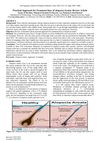 July 2023 in “The Egyptian Journal of Hospital Medicine ”
 The conclusion is that emotional support and a variety of treatments are important for alopecia areata, but more research is needed.
 June 2023 in “Dermatology and therapy”
 The Middle East and Africa need better data, treatment consensus, and support for Alopecia Areata.
 June 2023 in “Buletin de psihiatrie integrativă”
 Alopecia causes significant emotional distress and psychological issues, requiring combined skin and mental health treatment.
 October 2021 in “The Egyptian Journal of Hospital Medicine”
 Alopecia areata causes patchy hair loss and involves immune system disruptions.

Antimalarial agents are effective for LPP, and intralesional steroids are effective for FFA.