January 2004 in “Anticancer Research” Long-term antiandrogen use may increase aggressive prostate cancer risk.
 December 2024 in “Therapeutic Delivery”
 Topical dutasteride shows promise for hair loss but needs more research.
June 2008 in “Drugs & therapy perspectives” Dutasteride effectively treats benign prostatic hyperplasia, improving symptoms and quality of life.
2 citations
,
March 1976 in “PubMed” Neogynon effectively prevents pregnancy but may cause side effects like headaches and menstrual changes.
June 2026 in “OSF Preprints (OSF Preprints)”  August 2002 in “Dermatologic Surgery”
 Fluridil safely promotes hair growth in men with androgenetic alopecia.
 51 citations
,
October 2002 in “British Journal of Dermatology”
51 citations
,
October 2002 in “British Journal of Dermatology” Finasteride increases hair density in female androgenetic alopecia, but individual results may vary.
1 citations
,
January 1979 in “International Journal of Dermatology” Cyproterone acetate effectively treats hirsutism and related conditions.
 7 citations
,
April 2020 in “Dermatologic Therapy”
7 citations
,
April 2020 in “Dermatologic Therapy” Dexpanthenol improves hair growth in male baldness.
 January 2026 in “Zenodo (CERN European Organization for Nuclear Research)”
 Dutasteride 0.5 mg/day is the best treatment for male pattern baldness.
 January 2026 in “Zenodo (CERN European Organization for Nuclear Research)”
 Dutasteride 0.5 mg/day is the best treatment for male pattern baldness.
 October 2025 in “Journal of Molecular Structure”
 Hyaluronic acid microneedles help deliver minoxidil derivatives effectively for hair regrowth.
 50 citations
,
July 2014 in “International Journal of Clinical Pharmacology and Therapeutics”
50 citations
,
July 2014 in “International Journal of Clinical Pharmacology and Therapeutics” New finasteride solution effectively reduces baldness-causing hormone, potentially with fewer side effects.
46 citations
,
January 2000 in “The Journal of Clinical Endocrinology and Metabolism” 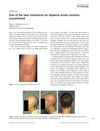 1 citations
,
June 2018 in “International Journal of Dermatology”
1 citations
,
June 2018 in “International Journal of Dermatology” DNCB is highly effective for treating alopecia areata with minimal long-term side effects.
 3 citations
,
January 2003 in “Synthetic Communications”
3 citations
,
January 2003 in “Synthetic Communications” Scientists made two new chemicals that might help treat diseases caused by male hormones.
4 citations
,
October 2009 in “International Journal of Endocrinology and Metabolism” Both Diane 35 combinations effectively and safely reduce hirsutism and acne, with potential for better results if treatment extends beyond 12 months.
June 2026 in “Frontiers in Medicine” 5α-reductase inhibitors for hair loss can cause mild, reversible sexual side effects in some men.
 33 citations
,
October 2005 in “PubMed”
33 citations
,
October 2005 in “PubMed” Dutasteride successfully treated a woman's hair loss when other treatments failed.
August 2025 in “International Journal of Pharmaceutics” A new finasteride treatment may quickly and effectively promote hair regrowth.
June 2025 in “ACS Materials Letters” 29 citations
,
May 1986 in “Journal of Steroid Biochemistry” Androgens don't directly affect hair cell growth or protein production.
13 citations
,
January 2015 in “Steroids” The study created a model to help design new inhibitors for steroidal 5α-reductase enzymes.
29 citations
,
November 1975 in “Clinics in endocrinology and metabolism” Testosterone is made by Leydig cells, is active when not bound to proteins, and works by binding to receptors in muscles and other tissues.
 1 citations
,
October 2017 in “Food Additives & Contaminants: Part A”
1 citations
,
October 2017 in “Food Additives & Contaminants: Part A” A new minoxidil-like substance, triaminodil, was found in an illegal hair growth supplement.
 April 2024 in “Dermatology reports”
 Dutasteride is more effective than finasteride for hair regrowth in male and female pattern hair loss, with similar side effects.
16 citations
,
August 2022 in “Drug Testing and Analysis” Transdermal exposure to certain steroids can be detected in urine for up to 14 days.
10 citations
,
October 2006 in “Expert Opinion on Emerging Drugs” New treatments for male hypogonadism are easier to use and target specific tissues to reduce side effects.
 20 citations
,
April 2006 in “Dermatologic Clinics”
20 citations
,
April 2006 in “Dermatologic Clinics” Antiandrogen therapies are beneficial for treating skin and hair conditions related to androgen levels.
37 citations
,
November 2002 in “Biology of Reproduction” Prenatal antiandrogen treatment altered hormone levels in adult spotted hyenas, affecting males and females differently.