 7 citations
,
December 2022 in “Plants”
7 citations
,
December 2022 in “Plants” Guava leaf extract may help treat hair loss and protect cells by blocking certain genes and fighting damaging molecules.
January 2026 in “Journal of Biosciences and Medicines” Androgenetic alopecia treatments focus on reducing hair loss by targeting hormones, with new therapies showing promise but needing more research.
 June 2025 in “Current Issues in Molecular Biology”
 Meloside A may help protect hair cells from damage linked to hair loss.
July 2024 in “International Journal of Molecular Sciences” The inhibitor DPP can promote hair growth.
 November 2023 in “ACS Omega”
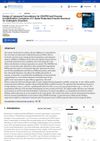
 New liposome treatment successfully delivers CRISPR to deactivate a key enzyme in androgen-related disorders.
 1 citations
,
May 2020 in “Reproductive Endocrinology”
1 citations
,
May 2020 in “Reproductive Endocrinology” The document concludes that hair loss and acne in women can be due to both androgen-related and unrelated causes, requiring a collaborative treatment approach.
 January 2026 in “Frontiers in Nutrition”
 Certain dietary supplements can improve hair density and are well-tolerated for treating androgenetic alopecia.
December 2025 in “The Journal of Nutritional Biochemistry” Kaempferol may help treat hair loss by promoting hair growth and protecting hair cells.
 April 2025 in “Antioxidants”
 Rhus semialata gall extract and Penta-O-Galloyl-β-D-Glucose may effectively reduce hair loss.
July 2024 in “Fitoterapia” Camellia oleifera seed shell polyphenols and 1,3,6-tri-O-galloylglucose can help treat hair loss by reducing certain hormones and promoting hair growth.
September 2023 in “Middle East Fertility Society Journal” Nicotine may help treat both Parkinson's disease and infertility.
110 citations
,
September 2017 in “Molecules” Forsythiae Fructus has anti-inflammatory, antibacterial, and antiviral properties, with differences between unripe and ripe forms important for clinical use.
104 citations
,
June 2020 in “Journal of Endocrinology” Hyperandrogenism and insulin resistance in PCOS-like rats can lead to pregnancy complications due to increased cell death in the uterus and placenta.
98 citations
,
November 1999 in “Dermatology Online Journal” IGF-1 can boost hair growth by promoting cell growth and preventing cell death.
16 citations
,
January 2019 in “Pharmaceutical biology” Lespedeza cuneata extract may help treat enlarged prostate.
9 citations
,
December 2021 in “Androgens” Androgens like testosterone may help treat traumatic brain injury by reducing mitochondrial stress and inflammation.
8 citations
,
July 2021 in “F1000Research” Plant-based compounds might be a promising alternative for prostate cancer treatment with fewer side effects.
 7 citations
,
January 2022 in “Scientific Reports”
7 citations
,
January 2022 in “Scientific Reports” Acanthus ebracteatus Vahl. extract and verbascoside may help prevent hair loss and promote hair growth due to their anti-inflammatory properties and ability to protect against cell death.
6 citations
,
July 2024 in “Heliyon” Steroid 5α-reductase evolved from protists and diversified in eukaryotes, with specific roles in mammals and plants.
 6 citations
,
May 2022 in “Frontiers in Microbiology”
6 citations
,
May 2022 in “Frontiers in Microbiology” Marine microbes could be used in cosmetics for sun protection, skin care, and possibly preventing hair loss.
5 citations
,
March 2022 in “Frontiers in Cell and Developmental Biology” Colostrum-derived exosomes can promote hair growth and may be a promising treatment for hair loss.
 3 citations
,
May 2018 in “Journal of nutritional health & food science”
3 citations
,
May 2018 in “Journal of nutritional health & food science” Nutritional supplements can help manage hair loss and promote hair growth by strengthening hair roots and countering harmful effects of pollution, smoking, and deficiencies in vitamins and minerals.
1 citations
,
December 2022 in “Bioactive Materials” The microneedle patch with quercetin, zinc, and copper effectively promotes hair regrowth for androgenic alopecia.
 May 2026 in “Premier journal of science.”
 Future treatments for hair loss may focus on personalized and regenerative approaches.
November 2025 in “Bioactive Materials” TQC shows promise for better hair regrowth in treating hair loss.
October 2025 in “Annals of Medicine and Surgery” Retinoids may improve hair growth in androgenic alopecia when used with other treatments.
 August 2025 in “ACS Omega”
 New compounds show promise as nonsteroidal treatments for hair loss.
 March 2025 in “World Journal of Stem Cells”
 Stem cell exosomes may help treat hair loss by promoting hair growth.
 February 2025 in “Stem Cell Research & Therapy”
 Maintaining healthy mitochondria may help treat hair loss.
 January 2024 in “Biomedicines”
 Using stem cells from hair follicles to treat female hair loss is safe and effective after six months.