 12 citations
,
June 2010 in “Journal of dermatology”
12 citations
,
June 2010 in “Journal of dermatology” Some patients with severe alopecia areata developed skin darkening from their treatment, which may indicate a less effective response to the therapy.
 10 citations
,
January 2010 in “Acta dermato-venereologica”
10 citations
,
January 2010 in “Acta dermato-venereologica” Light therapy can effectively treat vitiligo and hair loss caused by a specific medication.
16 citations
,
April 2000 in “Contact dermatitis” A man developed severe skin reactions after using a treatment for hair loss.
 July 2023 in “Skin Research and Technology”
 Baricitinib combined with other immune therapies may safely and effectively treat severe scalp hair loss.
 January 2012 in “The Year book of dermatology”
 Many treatments for alopecia areata have inconsistent results; for under 10s, use minoxidil with a corticosteroid, and for over 10s, add ILC and consider diphenylcyclopropenone for widespread cases.
 41 citations
,
February 2001 in “Current pharmaceutical design”
41 citations
,
February 2001 in “Current pharmaceutical design” Current and future treatments for alopecia areata focus on immunosuppression, immunomodulation, and protecting hair follicles.
July 2024 in “Journal of Investigative Dermatology” Allergic contact dermatitis may promote hair growth by activating hair follicle stem cells.
 1 citations
,
January 2005 in “Side effects of drugs annual”
1 citations
,
January 2005 in “Side effects of drugs annual” The document concluded that various dermatological treatments have different effectiveness and side effects, with some causing irritation, allergic reactions, or systemic effects.
1 citations
,
June 2024 in “Journal of Investigative Dermatology” Macrophages are crucial for hair regrowth in contact hypersensitivity.
 September 2022 in “Dermatology and therapy”
 Contact immunotherapy might help treat various skin conditions, but more research is needed to confirm its safety and effectiveness.
 January 2023 in “Dermatologic therapy”
 Diphenylcyclopropenone topical immunotherapy is effective for treating alopecia areata, with some side effects.
20 citations
,
March 2021 in “Drug design, development and therapy” Topical immunotherapy can treat alopecia areata, but its effectiveness varies and the exact mechanism is unclear.
 July 2021 in “International journal of dermatology, venereology and leprosy sciences”
 Diphenylcyclopropenone is more effective and has fewer side effects than dinitrochlorobenzene for treating alopecia areata.
 23 citations
,
July 2008 in “British journal of dermatology/British journal of dermatology, Supplement”
23 citations
,
July 2008 in “British journal of dermatology/British journal of dermatology, Supplement” Topical contact sensitizers can treat certain skin conditions but are rarely used in the U.K.
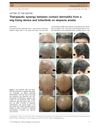 4 citations
,
September 2018 in “The Journal of Dermatology”
4 citations
,
September 2018 in “The Journal of Dermatology” A man's hair regrew from alopecia areata after using tofacitinib and experiencing contact dermatitis from a wig device.
 5 citations
,
January 2014 in “Hospital pharmacy”
5 citations
,
January 2014 in “Hospital pharmacy” Using a strong allergy medicine too often on the scalp can cause swelling and inflammation.
 8 citations
,
September 2004 in “Contact dermatitis”
8 citations
,
September 2004 in “Contact dermatitis” Avoiding dyed wigs and clothing improved severe allergic reactions in a woman treated with diphencyprone.
 January 2025 in “International Journal of Trichology”
 Combining DPCP with PRP doesn't improve hair regrowth in alopecia areata.
 7 citations
,
January 2017 in “International Journal of Dermatology”
7 citations
,
January 2017 in “International Journal of Dermatology” Superficial cryotherapy significantly improves eyebrow hair growth in alopecia universalis patients.
 1 citations
,
January 2023 in “Przegląd Dermatologiczny”
1 citations
,
January 2023 in “Przegląd Dermatologiczny” The Polish Society of Dermatology recommends treatments for alopecia areata that vary by severity, including topical and systemic medications, with long-term maintenance important for management.
 118 citations
,
April 1998 in “Dermatologic Clinics”
118 citations
,
April 1998 in “Dermatologic Clinics” Finasteride and minoxidil are effective for hair regrowth, while treatments for alopecia areata have varying success and continuous treatment is necessary.
May 2024 in “Journal of the Egyptian Womenʼs Dermatologic Society” Diphenylcyclopropenone is effective and safe for treating severe alopecia areata in children, with maintenance therapy reducing relapse risk.
 5 citations
,
January 2019 in “Skin appendage disorders”
5 citations
,
January 2019 in “Skin appendage disorders” The conclusion is that it's important to tell apart alopecia areata from lipedematous alopecia for proper treatment, as alopecia areata can be reversed.
3 citations
,
July 2024 in “Archives of Dermatological Research” Oral ritlecitinib and baricitinib are promising treatments for severe alopecia areata due to their balance of effectiveness and safety.
 July 2018 in “British Journal of Dermatology”
 Hair regrowth was seen in 83% of children with alopecia, immune system plays a role in the condition, and various treatments showed effectiveness for hair and nail disorders.
 51 citations
,
December 2011 in “The Journal of Dermatology”
51 citations
,
December 2011 in “The Journal of Dermatology” New treatments for severe hair loss often fail, but some patients see hair regrowth with specific therapies, and treatment should be tailored to the individual's situation.
April 2026 in “Cytotherapy” Immune activation of hair follicle stem cells can help develop new hair regeneration therapies.
48 citations
,
June 2003 in “Journal of Investigative Dermatology Symposium Proceedings” Contact sensitizers like DCP and SADBE are the most effective treatments for alopecia areata.
46 citations
,
April 2020 in “Drugs” Emerging therapies like JAK inhibitors show promise for hair regrowth in alopecia areata.
 9 citations
,
April 2016 in “Australasian journal of dermatology”
9 citations
,
April 2016 in “Australasian journal of dermatology” Combining imiquimod with diphenylcyclopropenone may improve treatment outcomes for alopecia areata patients who don't respond to diphenylcyclopropenone alone.