42 citations
,
April 2021 in “Pharmaceuticals” Five FDA-approved drugs may help block COVID-19 virus entry.
August 2025 in “International Journal of Biological Macromolecules” A new hydrogel can kill resistant bacteria and help heal infected burn wounds.
September 2022 in “Pharmacy Today” 1 citations
,
May 2022 in “IntechOpen eBooks” Natural products might help treat COVID-19, but current drugs like hydroxychloroquine haven't worked.
11 citations
,
October 2024 in “PLoS ONE” Phage-containing hydrogels effectively heal wounds infected with Enterococcus faecalis.
October 2024 in “Iraqi postgraduate medical journal” 78 citations
,
May 2019 in “Frontiers in Cellular and Infection Microbiology” DPK-060 in poloxamer gel effectively treats skin infections, but nanocarriers don't enhance its efficacy.
 48 citations
,
January 2014 in “Dermatology Online Journal”
48 citations
,
January 2014 in “Dermatology Online Journal” New treatments for Dissecting cellulitis show promise, but more research is needed to understand the disease and establish a standard treatment plan.
1 citations
,
June 2024 in “Access Microbiology” Some moulds can cause skin issues and produce enzymes that may increase their harmfulness.
October 2024 in “Biomedical Reports” Superoxidized electrolyzed solution (SES) is more effective for burn healing than common antiseptics.
9 citations
,
June 2022 in “Microorganisms” We need safe, affordable drugs to fight coronaviruses effectively.
June 2025 in “Formosa Journal of Sustainable Research” Mangkokan leaf extract can fight bacteria and may help prevent hair loss and treat infections.
Modern shampoos use a mix of surfactants and other ingredients to clean, reduce irritation, and improve performance.
 March 2026 in “Frontiers in Bioscience-Elite”
 Duloxetine, escitalopram, and finasteride may be effective against bacteria and fungi.
December 2012 in “SWU eJournals System (Srinakharinwirot University)” Chemical hair removal can cause skin irritation and other issues, but natural alternatives are being explored.
 51 citations
,
August 2021 in “Turkish Journal of Medical Sciences”
51 citations
,
August 2021 in “Turkish Journal of Medical Sciences” As of December 2021, the most effective COVID-19 treatments were monoclonal antibodies and possibly early-administered convalescent plasma, while several drugs were found ineffective or were still under evaluation.
 35 citations
,
February 2006 in “Textile Research Journal”
35 citations
,
February 2006 in “Textile Research Journal” Enzymes xylanase and pectinase clean wool and specialty hair fibers effectively without damage, offering an eco-friendly alternative to soap and hot water.
 1 citations
,
January 2017 in “Chinese Journal of Organic Chemistry”
1 citations
,
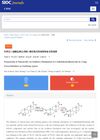
January 2017 in “Chinese Journal of Organic Chemistry” Using K2S2O8 as an oxidizing agent in a specific condition, we can make Finasteride with 96.3% yield and 99.6% purity. This method is also good for other compounds and is environmentally friendly.
March 2003 in “International Journal of Antimicrobial Agents”  13 citations
,
July 2020 in “bioRxiv (Cold Spring Harbor Laboratory)”
13 citations
,
July 2020 in “bioRxiv (Cold Spring Harbor Laboratory)” Four drugs were found that could potentially treat COVID-19 by inhibiting the virus in lab tests.
13 citations
,
May 2010 in “Dermatologic Clinics” Recurrent furunculosis can be managed with antibiotics, decolonization, and decontamination, with potential future use of vaccines and bacteriophage therapy.
 May 2015 in “Journal of The American Academy of Dermatology”
 Povidone-iodine nail solution effectively treats nail infections caused by chemotherapy.
Certain antiparasitics and antidepressants show promise for treating cryptococcosis, especially when combined with fluconazole.
8 citations
,
June 2021 in “Frontiers in Medicine” The combination of the excimer lamp and liquor carbonis detergens is more effective for scalp psoriasis than the lamp alone.
13 citations
,
September 2022 in “International Journal of Molecular Sciences” Five existing drugs may help fight Swine Acute Diarrhea Syndrome Coronavirus.
 April 2024 in “Meždunarodnyj vestnik veterinarii”
 Deltsid 7.5 is the most effective treatment for bovine psoroptosis.
Hit15 shows promise as a COVID-19 treatment by reducing virus infection and inflammation.
51 citations
,
May 2008 in “Mycoses” Terbinafine HCl nail solutions with DDAIP HCl are more effective than current treatments for nail infections.
67 citations
,
February 2022 in “International Journal of Molecular Sciences” The nanofiber membranes effectively promote wound healing and have strong antibacterial properties.
18 citations
,
January 2024 in “Regenerative Biomaterials” The hydrogel helps heal diabetic wounds by reducing infection and inflammation.