375 citations
,
June 2013 in “Biochimica et biophysica acta. Molecular cell research” Cornification is how skin cells die to form the protective outer layer of skin, hair, and nails.
101 citations
,
October 2007 in “Journal of Biological Chemistry” Reduced matriptase activity causes skin and hair issues in both humans and mice.
 96 citations
,
September 2021 in “International Journal of Molecular Sciences”
96 citations
,
September 2021 in “International Journal of Molecular Sciences” Chitosan, a natural substance, can be used to create tiny particles that effectively deliver various types of drugs, but more work is needed to improve stability and control of drug release.
86 citations
,
April 2009 in “Journal of anatomy” Hard skin features like scales, feathers, and hair evolved through specific protein changes in different animal groups.
82 citations
,
May 2020 in “International Journal of Molecular Sciences” Injectable biomaterials can effectively regenerate dental tissues.
22 citations
,
February 2024 in “Heliyon” Exploring fermented foods from various regions can lead to discovering new fibrinolytic enzymes.
22 citations
,
November 2023 in “Molecules” Smart microneedles can deliver drugs painlessly and accurately for diseases like diabetes and tumors.
20 citations
,
May 2023 in “Cancer Nanotechnology” The new drug delivery system effectively targets lung cancer cells.
 6 citations
,
May 2022 in “Medicina-lithuania”
6 citations
,
May 2022 in “Medicina-lithuania” IMA may indicate oxidative stress in skin and hair disorders, but more research is needed.
1 citations
,
January 2025 in “Proceedings of the National Academy of Sciences” LPAR6 has a unique way of binding and activating, which helps in designing treatments for hair loss and cancer.
1 citations
,
January 2024 in “Fibrosis” Hydrogels show promise for scarless wound healing by reducing skin fibrosis.
May 2026 in “Advanced Materials Interfaces” The new coating protects and strengthens hair while improving its properties.
March 2026 in “Bioconjugate Chemistry” Peptide-based PROTACs show promise in targeting hard-to-treat proteins, especially for cancer therapy.
January 2026 in “Regenerative Biomaterials” Advanced hydrogels can autonomously deliver drugs to treat radiation skin injuries, but challenges remain for clinical use.
 February 2023 in “Molecules”
 Cactus extract from Notocactus ottonis may help promote hair growth.
7 citations
,
September 2020 in “International Journal of Cosmetic Science” Different sizes of keratin peptides can strengthen hair, with smaller ones possibly increasing volume and larger ones repairing damage.
42 citations
,
April 2021 in “Pharmaceuticals” Five FDA-approved drugs may help block COVID-19 virus entry.
39 citations
,
June 2012 in “Journal of Structural Biology” Disulfide bonds are crucial for hair structure during keratinization.
22 citations
,
November 2014 in “Proteins Structure Function and Bioinformatics” Cysteines in wool fibers are accessible and form important disulfide bonds.
 45 citations
,
December 2006 in “Biopolymers”
45 citations
,
December 2006 in “Biopolymers” Permanent waving weakens hair by altering its protein structure.
 25 citations
,
May 2019 in “Heliyon”
25 citations
,
May 2019 in “Heliyon” Hair treatments cause significant structural changes, especially with excessive heat, regardless of ethnicity.
18 citations
,
January 2018 in “Advances in experimental medicine and biology” Hair keratins evolved from ancient proteins, diversifying through gene changes, crucial for forming claws and later hair in mammals.
6 citations
,
April 2005 in “Journal of dermatological science” The study found nine new hair protein genes in human hair follicles.
 3 citations
,
May 2024 in “Amino Acids”
3 citations
,
May 2024 in “Amino Acids” Disrupted cysteine metabolism may cause hair breakage in Alopecia Areata, suggesting potential treatments like N-acetylcysteine.
 October 2023 in “Journal of Molecular Liquids”
 A new method using imidazole-based liquids efficiently extracts keratin from yak hair.
March 2026 in “Journal of the mechanical behavior of biomedical materials/Journal of mechanical behavior of biomedical materials” Hair cuticles remain stable and resilient under stress due to strong protein content and crosslinking.
 October 2024 in “Cosmetics”
 Afro-textured hair needs personalized care due to its unique genetic traits.
52 citations
,
May 2006 in “Journal of Structural Biology” Keratin-associated proteins help link filaments and affect keratin's strength.
 May 2022 in “Experimental dermatology”
 Trichothiodystrophy hair is structurally abnormal with protein and organization issues.
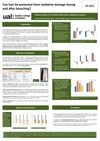 September 2018 in “University of the Arts London Research Online (University of the Arts London)”
 L-arginine, hydrolysed keratin, and cystine-silanol copolymer can help protect hair from damage during and after bleaching.