 4 citations
,
January 2015 in “Sen'i Gakkaishi”
4 citations
,
January 2015 in “Sen'i Gakkaishi” Hair and wool strength is affected by the number and type of bonds in their protein structures, with hair having more protein aggregates than wool.
 18 citations
,
January 2008 in “Sen'i Gakkaishi”
18 citations
,
January 2008 in “Sen'i Gakkaishi” Thioglycolic acid and L-cysteine change hair structure differently during perms, affecting hair strength and curling efficiency.
 April 2025 in “Pharmaceuticals”
 APA is a promising new compound for repairing damaged hair, outperforming Olaplex® in strength and elasticity.
11 citations
,
September 1996 in “Journal of applied polymer science” Potassium cyanide treatment changes hair's disulfide bonds, making it more elastic.
2 citations
,
September 1996 in “Journal of Applied Polymer Science” Potassium cyanide changes hair's disulfide bonds to monosulfide, affecting high-sulfur proteins more.
6 citations
,
October 1988 in “Clinics in Dermatology” The molecular details of hair growth are not well understood.
 13 citations
,
July 2017 in “Biopolymers”
13 citations
,
July 2017 in “Biopolymers” Recombinant keratins can form useful structures for medical applications, overcoming natural keratin limitations.
 6 citations
,
October 2016
6 citations
,
October 2016 Understanding how keratin structures in hair are arranged and interact is key for creating methods to extract and purify them.
 42 citations
,
January 2011 in “Journal of Biomedical Optics”
42 citations
,
January 2011 in “Journal of Biomedical Optics” Infrared and Raman imaging can non-destructively analyze hair structure and help diagnose hair conditions.
27 citations
,
May 2019 in “Cosmetics” The hair cuticle is made of tough proteins that protect the hair, but more research is needed to fully understand its structure.
1 citations
,
March 2023 in “Journal of Natural Fibers” A gentler, less damaging method for curling hair using tyrosine works well initially but fades after washing.
6 citations
,
April 2005 in “Journal of dermatological science” The study found nine new hair protein genes in human hair follicles.
March 2026 in “Journal of the mechanical behavior of biomedical materials/Journal of mechanical behavior of biomedical materials” Hair cuticles remain stable and resilient under stress due to strong protein content and crosslinking.
4 citations
,
January 2020 in “Elsevier eBooks” Natural polymers can protect, repair, and promote hair regrowth.
18 citations
,
January 2018 in “Advances in experimental medicine and biology” Hair keratins evolved from ancient proteins, diversifying through gene changes, crucial for forming claws and later hair in mammals.
23 citations
,
April 2003 in “Journal of Structural Biology” Keratin structure changes during keratinization, but the exact model remains uncertain.
69 citations
,
January 2009 in “Advances in Materials Science and Engineering” Wool keratin is reactive, biocompatible, biodegradable, and can model keratin from other sources.
1 citations
,
August 2014 in “OhioLink ETD Center (Ohio Library and Information Network)” Alkylated keratin from human hair can help deliver growth factors for bone healing.
 15 citations
,
February 1999 in “The anatomical record”
15 citations
,
February 1999 in “The anatomical record” Some mutant mice have hair with abnormal cross-linking, mainly in the cuticle, not affecting other hair parts.
 August 2021 in “Han'gug miyong haghoeji/Journal of the Korean society of cosmetology”
 Using natural polyphenol cross-linkers like tannic acid and green tea extract in perm treatments improves curling and protects hair.
Using enzymes to link proteins makes hair repair treatments more effective and long-lasting.
23 citations
,
January 1986 Involucrin is crucial for skin cell maturation and protection.
39 citations
,
June 2012 in “Journal of Structural Biology” Disulfide bonds are crucial for hair structure during keratinization.
22 citations
,
November 2014 in “Proteins Structure Function and Bioinformatics” Cysteines in wool fibers are accessible and form important disulfide bonds.
 16 citations
,
October 2003 in “Journal of applied polymer science”
16 citations
,
October 2003 in “Journal of applied polymer science” 2-iminothiorane hydrochloride improves hair waving permanence without damage.
 10 citations
,
September 2020 in “Biopolymers”
10 citations
,
September 2020 in “Biopolymers” Hair's structure and properties change with pH; acidic pH maintains strength and less swelling, while alkaline pH increases water content and swelling.

Human hair keratins can be turned into useful 3D biomedical scaffolds through a freeze-thaw process.
 47 citations
,
January 2017 in “RSC Advances”
47 citations
,
January 2017 in “RSC Advances” Keratin peptides can change hair shape gently without harsh chemicals.
February 1999 in “The anatomical record” Two mouse mutants have defective hair cuticle cross-linking.
 September 2018 in “University of the Arts London Research Online (University of the Arts London)”
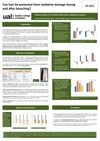
 L-arginine, hydrolysed keratin, and cystine-silanol copolymer can help protect hair from damage during and after bleaching.