Search
for
Sort by
Research
840-870 / 1000+ resultsresearch [Translated article] High-dose Oral Minoxidil for the Treatment of Androgenetic Alopecia
High-dose oral minoxidil can improve hair growth but may cause side effects.
research Drug Discovery Today: Therapeutic Strategies - 2006 Editorial
The 2006 editorial concluded that immunotherapy was advancing with new drugs, focusing on specific biological therapies and convenient oral treatments, and highlighted the importance of partnerships and new regulations in the field.
research Anti-MRSA malleable liposomes carrying chloramphenicol for ameliorating hair follicle targeting
DA liposomes with chloramphenicol effectively target hair follicles and combat MRSA with minimal skin toxicity.
research LB1101 Evaluating the cardiovascular safety of low-dose oral minoxidil in patients with non-scarring alopecia: A retrospective cohort study
Low-dose oral minoxidil is safe for the heart in the short term for hair loss patients.
research Homologous recombination induced by doxazosin mesylate and saw palmetto in the Drosophila wing‐spot test
Doxazosin mesylate and saw palmetto cause genetic changes in fruit flies.
research Safety and patient-reported outcomes in patients with hormone receptor-positive, HER2-negative advanced breast cancer treated with CDK4/6 inhibitors in China: A cross-sectional study.
Dalpiciclib is the safest and most satisfying CDK4/6 inhibitor for advanced breast cancer patients in China.

research Synergistic delivery of ginseng exosomes and biomimetic melanosomes via temporally controlled hydrogel microneedles restrain the pathologic triad of vitiligo
A new microneedle treatment can effectively repigment skin in vitiligo.
research MAASALONG Reviews 2022 UPDATE Does It Work
MaasaLong may improve male health, but consult a doctor before use.
research 61131 Impact of Low-Dose Oral Minoxidil on Blood Pressure in Androgenetic Alopecia Patients Concomitantly Taking Antihypertensive Medications: A Multi-Center Cohort Study
Low-dose oral minoxidil does not significantly affect blood pressure in patients with hair loss and hypertension.
research Efficacy and Safety of SER120 Nasal Spray in Patients with Nocturia: Pooled Analysis of 2 Randomized, Double-Blind, Placebo Controlled, Phase 3 Trials
SER120 nasal spray effectively reduces nighttime urination and is safe for patients.
research N-methylformamide induces multiple organ toxicity in Fischer 344 rats
research Prevention by vitamin D2in combination with milk protein of hair loss caused by drugs.
research Transdermal delivery of mixnoxidil with block copolymer nanoparticles
Smaller nanoparticles improve minoxidil absorption through hair follicles.
research Dual drug co-encapsulation into liposomes and liposome-derived nanosystems for improved synergistic treatment of skin diseases
research In vitro effect of diammonium glycyrrhizinate on the growth of human hair follicles and Wnt/β-catenin signaling pathway
Diammonium glycyrrhizinate at 0.01 μmol/L promotes hair growth by activating the Wnt/β-catenin pathway.
research Toxicity profile of antibody-drug conjugates in breast cancer: practical considerations
ADCs can effectively treat breast cancer but may cause side effects like nausea and hair loss.
research DNA Methyltransferases in Malar Melasma and Their Modification by Sunscreen in Combination with 4% Niacinamide, 0.05% Retinoic Acid, or Placebo
Treatments with sunscreen and active ingredients can reduce skin hyperpigmentation by decreasing DNA methylation.
research Formulation of chloroaluminum phthalocyanine incorporated into PS-b-PAA diblock copolymer nanomicelles
The PS-b-PAA copolymer nanomicelles are effective for delivering a cancer treatment drug in photodynamic therapy.
research Transdermal delivery of mixnoxidil with block copolymer nanoparticles
Smaller nanoparticles improve minoxidil delivery through hair follicles.
research PandaOmics: An AI-Driven Platform for Therapeutic Target and Biomarker Discovery
PandaOmics uses AI to find new disease treatment targets and biomarkers.
research Ginseng Extracts, GS-KG9 and GS-E3D, Prevent Blood–Brain Barrier Disruption and Thereby Inhibit Apoptotic Cell Death of Hippocampal Neurons in Streptozotocin-Induced Diabetic Rats
Ginseng extracts protect brain cells and reduce damage in diabetic rats.
research Efectos de la alteración de los niveles de allopregnanolona durante periodos críticos del neurodesarrollo en la vulnerabilidad al consumo de alcohol
Early NAS level changes affect alcohol consumption vulnerability.
research 178 Neutrophil elastase is critical in linear IgA bullous dermatosis in mice
CD8+ T cells attack hair follicle stem cells, causing scarring and hair loss.
research Antibacterial Activity Test of NADES (Natural Deep Eutectic Solvents) Extract of Mangkokan Leaves (Polyscias Scutellaria) Against Escherichia Coli and Staphylococcus Aureus Bacteria
Mangkokan leaf extract can fight bacteria and may help prevent hair loss and treat infections.
research Nanomilled Oral Testosterone Plus Dutasteride Effectively Normalizes Serum Testosterone in Normal Men With Induced Hypogonadism
A combination of nanomilled oral testosterone and dutasteride normalized testosterone levels in men with low testosterone and is safe for short-term use.
research Novel ABCD1 Gene Mutation in Adrenomyeloneuropathy with Hypoplasia and Agenesis of the Corpus Callosum
Researchers found a new ABCD1 gene mutation linked to a rare brain and nerve disorder with unusual brain changes.
research Mast cell hyperplasia in the skin of Dsg4-deficient hypotrichosis mice, which are long-living mutants of lupus-prone mice
A gene mutation in mice causes increased mast cells and disorganized hair follicles in their skin.
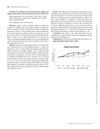
research The Effect of a Combination of an Arginine Silicate Complex and Magnesium Biotinate on Hair and Nail Growth in Rats (P06-026-19)
A combination of arginine silicate complex and magnesium biotinate improves hair and nail growth in rats.
research Successful Topical Treatment of Murine Cutaneous Leishmaniasis with a Combination of Paromomycin (Aminosidine) and Gentamicin
The topical treatment WR 279,396 effectively healed cutaneous leishmaniasis in mice without relapse.