July 2026 in “Journal of Enzyme Inhibition and Medicinal Chemistry” Improved CRBN ligands make protein degraders more effective and drug-like.
22 citations
,
January 2010 in “Humana Press eBooks” The vitamin D receptor can affect gene activity even without its usual hormone in hair and skin.
5 citations
,
February 2022 in “Molecular genetics & genomic medicine” New gene variants linked to a rare inherited hair loss disorder were found in three Chinese families.
 5 citations
,
January 2022 in “Journal of Clinical Medicine”
5 citations
,
January 2022 in “Journal of Clinical Medicine” Dermoscopy and trichoscopy are useful for diagnosing skin signs in Dermatomyositis.
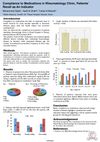
Many patients in the rheumatology clinic adjusted or stopped their medications due to side effects.
1 citations
,
August 2025 in “Frontiers in Medicine” MicroRNAs could lead to new treatments for skin diseases, but more research is needed.
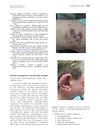
A 72-year-old man was diagnosed with a rare skin form of Rosai-Dorfman disease after years of misdiagnosis.
 10 citations
,
September 2015 in “PLoS ONE”
10 citations
,
September 2015 in “PLoS ONE” New mutations in the VDR gene cause vitamin D-resistant rickets without hair loss.
 1 citations
,
February 2022 in “bioRxiv (Cold Spring Harbor Laboratory)”
1 citations
,
February 2022 in “bioRxiv (Cold Spring Harbor Laboratory)” Certain interactions help prepare the androgen receptor for pairing and activation, which is important for its role in development and disease.

Individualized treatments may help manage Dercum's disease symptoms.
 19 citations
,
September 1999 in “Talanta”
19 citations
,
September 1999 in “Talanta” New method measures minoxidil concentration faster, more accurately, and automatically.
 1 citations
,
January 2000 in “Journal of pharmacopuncture”
1 citations
,
January 2000 in “Journal of pharmacopuncture” Microneedle Therapy System effectively treats acne, scars, and hair loss safely.
15 citations
,
May 1987 in “Fundamental and applied toxicology” SMR-2 and SMR-6 are much more toxic than retinoic acid, causing severe side effects.
December 2024 in “Pediatrics in Review” Early detection and treatment of Menkes disease with copper injections are crucial for better outcomes.
15 citations
,
May 2009 in “Chemical Physics Letters” A new method accurately measures molecular movement without complex modeling.
 January 2024 in “Wiadomości Lekarskie”
 A multidisciplinary approach is crucial for managing Silver-Russell syndrome effectively.
 1 citations
,
June 2020 in “Actas Dermo-Sifiliográficas”
1 citations
,
June 2020 in “Actas Dermo-Sifiliográficas” RF-mesotherapy with dutasteride may be a promising alternative treatment for hair loss.
May 2011 in “Psychiatric News” Horizant has risks like other seizure drugs, Johnson & Johnson misled about Risperdal, and Quanterix found a possible link between brain oxygen loss and Alzheimer's markers.
 January 2025 in “Clinical and Medical Engineering Live”
 Implementing safety strategies is crucial to prevent radiation-related health issues.
 February 2026 in “International Journal of Molecular Sciences”
 Muscarinic acetylcholine receptors in skin cells help regulate and promote hair growth.
 17 citations
,
May 1975 in “Clinical Pharmacology & Therapeutics” 1 citations
,
November 2022 in “Journal of Investigative Dermatology”
17 citations
,
May 1975 in “Clinical Pharmacology & Therapeutics” 1 citations
,
November 2022 in “Journal of Investigative Dermatology” ALRN-6924 may prevent hair loss caused by chemotherapy.
41 citations
,
February 2021 in “Translational research” Non-coding RNAs could help detect and treat radiation damage.
January 2026 in “China CDC Weekly” Large language models can accurately identify monkeypox from medical records.
August 2023 in “Frontiers in Oncology” New drugs and therapies targeting specific pathways show promise in treating advanced prostate cancer.
 April 2026 in “The Open Biotechnology Journal”
 Resveratrol shows health benefits but faces challenges in effectiveness and regulation.
41 citations
,
July 2016 in “Journal of Investigative Dermatology” Dysplastic nevi have unique gene expressions, making them distinct from common melanocytic nevi.
24 citations
,
January 2023 in “Cancer Research” AMPK activation may reduce melanoma risk in red-haired individuals.
March 2026 in “The Journal of Steroid Biochemistry and Molecular Biology” Deleting vitamin D and calcium receptors in skin cells increases skin cancer risk by reducing DNA repair and stress response.
21 citations
,
January 2006 in “Hormone Research in Paediatrics” A mutation in the VDR gene affects hair cycling without needing ligand binding.