34 citations
,
January 1998 in “Archiv für Pathologische Anatomie und Physiologie und für Klinische Medicin” Trichoblastomas may mimic fetal skin development by having many Merkel cells, unlike adult skin.
12 citations
,
May 2013 in “International Journal of Molecular Sciences” Stem cells from elderly skin can become neurons, offering potential for brain therapy.
 16 citations
,
March 2016 in “The journal of investigative dermatology/Journal of investigative dermatology”
16 citations
,
March 2016 in “The journal of investigative dermatology/Journal of investigative dermatology” The Notch signaling pathway helps in mouse hair development through a noncanonical mechanism that does not rely on RBPj or transcription.
1 citations
,
July 2025 in “Scientific Reports” CD133+ cells are crucial for hair growth.
November 2024 in “Journal of Investigative Dermatology” Certain NK cell changes in blood may indicate alopecia areata progression.
 20 citations
,
November 2005 in “Journal of Investigative Dermatology Symposium Proceedings”
20 citations
,
November 2005 in “Journal of Investigative Dermatology Symposium Proceedings” IFN-γ and IL-2 are important for T cell activation in hair loss in mice.
65 citations
,
March 2004 in “Journal of Clinical Investigation” Inhibiting ornithine decarboxylase may help prevent certain skin cancers.
16 citations
,
January 2019 in “Aging” Lack of functional CYLD in mice leads to early aging and cancer.
22 citations
,
October 2007 in “Journal of Investigative Dermatology” Stem cells in mouse nails are found in the nail matrix and may control nail growth.
 1 citations
,
September 2023 in “The journal of investigative dermatology/Journal of investigative dermatology”
1 citations
,
September 2023 in “The journal of investigative dermatology/Journal of investigative dermatology” Removing Dicer from pigment cells in newborn mice causes early hair graying and changes in cell migration molecules.
April 2025 in “Molecular Biology Reports” DNMT1 may help treat hypospadias by improving cell function and preventing unwanted cell changes.
 1 citations
,
February 2022 in “Clinical, Cosmetic and Investigational Dermatology”
1 citations
,
February 2022 in “Clinical, Cosmetic and Investigational Dermatology” TDM10842, a thyroid hormone receptor activator, was found to effectively promote hair growth in mice.
December 2009 in “생명과학회지” Thymosin β4 and VEGF are important for organ function and may help with blood vessel formation.
48 citations
,
March 2003 in “International Journal of Cancer” DMBT1 and galectin-3 may help suppress epithelial skin cancer.
 1 citations
,
January 2020 in “bioRxiv (Cold Spring Harbor Laboratory)”
1 citations
,
January 2020 in “bioRxiv (Cold Spring Harbor Laboratory)” Dicer is crucial for hair growth in mice.
 103 citations
,
March 2011 in “PLoS Biology”
103 citations
,
March 2011 in “PLoS Biology” Birds can lose neck feathers due to a genetic change that increases a gene's activity, helping them adapt to heat.
 54 citations
,
July 1967 in “Science”
54 citations
,
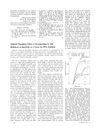
July 1967 in “Science” Decomposed tritiated thymidine is less accurate for DNA tracing, and hair changes can indicate malnutrition.
16 citations
,
November 2005 in “Journal of Clinical Pathology” CD1d expression in scalp skin and hair follicles changes with the hair cycle and may help protect against microbes.
1 citations
,
October 2021 in “Journal of Investigative Dermatology” January 2004 in “Laboratory Animal Science and Administration” The hairless mutant gene causes early hair loss and affects skin and thymus development in mice.

γδTregs may help treat autoimmune diseases like alopecia areata by promoting hair regrowth and reducing immune attacks.
21 citations
,
May 2014 in “Toxicological Sciences” Toluene diisocyanate exposure can cause immune sensitization by interacting with proteins in hair follicles and sebaceous glands.
17 citations
,
July 2013 in “Amino Acids” Increased ODC activity leads to skin tumors by recruiting stem cells, not by toxic byproducts.
26 citations
,
January 1992 in “Carcinogenesis” TPA strongly increases ODC activity in certain skin cells, potentially aiding tumor growth.
14 citations
,
April 1976 in “Journal of Cutaneous Pathology” A calcified nodule on a boy's face came from hair follicles and expelled calcium through the skin.
64 citations
,
March 2004 in “Journal of Clinical Investigation” Targeting ornithine decarboxylase can help prevent skin cancer.
 April 2021 in “Journal of Investigative Dermatology”
 People with atopic dermatitis have more CD4+ T cells that respond to a certain bacterial lipid, which may play a role in the skin condition's inflammation.
68 citations
,
August 2009 in “American Journal of Medical Genetics Part A” A new classification for trichothiodystrophy helps identify genetic causes and potential treatments.
 November 2023 in “Journal of Investigative Dermatology”
 γδTregs can protect hair follicles from alopecia areata and may help regrow hair.
8 citations
,
October 2020 in “Stem cell research & therapy” DNMT1 helps turn hair follicle stem cells into fat cells by blocking a specific microRNA.