 130 citations
,
September 2018 in “Cell Reports”
130 citations
,
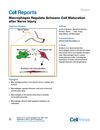
September 2018 in “Cell Reports” Macrophages help heal nerves by aiding the maturation of Schwann cells and are important for nerve repair.
 68 citations
,
September 2018 in “International Journal of Molecular Sciences”
68 citations
,
September 2018 in “International Journal of Molecular Sciences” Air pollution (PM10) increases skin inflammation and aging by reducing collagen and may trigger a repair response in skin cells.
 24 citations
,
May 2021 in “Nature Communications”
24 citations
,
May 2021 in “Nature Communications” Cavity macrophages gather on organ surfaces but don't really invade or help repair the organs after injury.
16 citations
,
April 2025 in “Foods” Perilla frutescens is a versatile herb with health benefits and potential in food and industrial uses.
 7 citations
,
July 2012 in “Regenerative Medicine”
7 citations
,
July 2012 in “Regenerative Medicine” New treatments for diabetes, central nervous system repair, and cartilage injury were found, and a way to create functional hair follicles from stem cells was developed.
 1 citations
,
March 2023 in “bioRxiv (Cold Spring Harbor Laboratory)”
1 citations
,
March 2023 in “bioRxiv (Cold Spring Harbor Laboratory)” Skin cell types develop when specific genes are turned on by removing certain chemical tags from DNA.
 February 2026 in “International Research Journal of Modernization in Engineering Technology and Science”
 Protect lips from aging with sunscreen, repair barriers, and boost collagen.
April 2024 in “Molecules/Molecules online/Molecules annual” The composite sponge helps heal diabetic wounds by reducing inflammation and promoting new blood vessel growth.
 175 citations
,
December 2014 in “PLoS Biology”
175 citations
,
December 2014 in “PLoS Biology” Macrophages help activate hair follicle stem cells, affecting hair growth and skin repair.
 168 citations
,
August 2009 in “EMBO molecular medicine”
168 citations
,
August 2009 in “EMBO molecular medicine” Epidermal stem cells are diverse and vary in activity, playing key roles in skin maintenance and repair.
 137 citations
,
April 2015 in “Nature Reviews Molecular Cell Biology”
137 citations
,
April 2015 in “Nature Reviews Molecular Cell Biology” Different types of stem cells with unique roles exist in blood, skin, and intestines, and this variety is important for tissue repair.
 32 citations
,
March 2014 in “PLOS ONE”
32 citations
,
March 2014 in “PLOS ONE” Mice lacking fibromodulin have disrupted healing patterns, leading to abnormal skin repair and scarring.
 20 citations
,
September 1978 in “International Journal of Dermatology”
20 citations
,
September 1978 in “International Journal of Dermatology” Hair growth is influenced by factors like genetics and nutrition, and more research is needed to understand hair loss and growth mechanisms.
 17 citations
,
April 2017 in “PLoS ONE”
17 citations
,
April 2017 in “PLoS ONE” Hair follicle cells can become bone-like cells, useful for bone repair.
2 citations
,
August 2024 in “Heliyon” Metformin may help mild COVID-19 cases, while Oseltamivir, Tamoxifen, and Dexamethasone are suggested for severe cases.
 1 citations
,
July 2025 in “Frontiers in Endocrinology”
1 citations
,
July 2025 in “Frontiers in Endocrinology” ApoBDs, once seen as waste, are now viewed as potential tools for disease treatment and tissue repair.
22 citations
,
May 2011 in “Molecular Biology of the Cell” Integrin-linked kinase is crucial for normal skin healing.
 336 citations
,
August 2015 in “European Journal of Epidemiology”
336 citations
,
August 2015 in “European Journal of Epidemiology” The Rotterdam Study found risk factors for elderly diseases, links between lifestyle and genetics with health conditions, and aimed to explore new areas like DNA methylation and sensory input effects on brain function.
11 citations
,
December 2021 in “Journal of Ginseng Research/Journal of ginseng research” Red ginseng oil is believed to have various health benefits and is safe, but more research is needed to fully understand how it works.
 23 citations
,
November 2018 in “Development, Growth & Differentiation”
23 citations
,
November 2018 in “Development, Growth & Differentiation” Epidermal stem cells have various roles in skin beyond just maintenance, including forming specialized structures and aiding in skin repair and regeneration.
 5 citations
,
May 2022 in “Biomedicines”
5 citations
,
May 2022 in “Biomedicines” Botryococcus terribilis and its compounds may promote hair growth and improve hair health.
 1 citations
,
February 2023 in “Drug Design Development and Therapy”
1 citations
,
February 2023 in “Drug Design Development and Therapy” Plant adaptogens may help treat skin diseases and improve skin health, but more research is needed to fully understand how they work.
 1 citations
,
July 1973 in “British Journal of Dermatology”
1 citations
,
July 1973 in “British Journal of Dermatology” The document concludes that secondary syphilis cases are increasing and often misdiagnosed, pityriasis rubra pilaris can be distinguished from psoriasis by skin cell features, and different skin layers produce specific components during skin repair.
 April 2018 in “Journal of Investigative Dermatology”
 Basonuclin 1 (BNC1) helps skin cells multiply and move, which is crucial for wound healing.
6 citations
,
April 2024 in “Journal of Investigative Dermatology” CRISPR-based tools improve understanding and treatment of skin development and conditions.
 March 2026 in “Molecules”
 Camellia sinensis seed flavonoids can reduce skin inflammation and damage from UV rays.
 April 2023 in “Journal of Investigative Dermatology”
 ALRN-6924 can protect hair follicles from chemotherapy damage by temporarily stopping cell division.
January 2026 in “MEDS Clinical Medicine” Biophysical and metabolic factors in skin wounds are crucial for stem cell behavior and skin healing.
 3 citations
,
February 2023 in “International Journal of Molecular Sciences”
3 citations
,
February 2023 in “International Journal of Molecular Sciences” Autologous Platelet and Extracellular Vesicle-Rich Plasma (PVRP) has potential in enhancing tissue regeneration and improving hair conditions, but its effectiveness varies due to individual differences.
 June 2026 in “International Journal of Molecular Sciences”
 Extracellular vesicles show promise in regenerative and cosmetic medicine but need more research and regulation for safe use.