 2 citations
,
March 2011 in “Infertility”
2 citations
,
March 2011 in “Infertility” The conclusion is that lifestyle changes and weight loss are first-line treatments for infertility due to anovulation, with various medications and assisted reproductive technologies as additional options.
 40 citations
,
April 2018 in “Endocrine”
40 citations
,
April 2018 in “Endocrine” PFS and PSSD are similar conditions with persistent sexual dysfunction after stopping medication.
 124 citations
,
December 2016 in “Pharmaceuticals”
124 citations
,
December 2016 in “Pharmaceuticals” TRP channels in the skin are important for sensation and health, and targeting them could help treat skin disorders.
 46 citations
,
November 1997 in “Journal of Neural Transmission”
46 citations
,
November 1997 in “Journal of Neural Transmission” Seborrhea in Parkinson's disease may be linked to hormones, not autonomic impairment.
 28 citations
,
May 2015 in “Addiction Biology”
28 citations
,
May 2015 in “Addiction Biology” Prenatal stress changes how male and female rats enjoy rewards differently, linked to sex hormones.
 14 citations
,
February 2018 in “Psychoneuroendocrinology”
14 citations
,
February 2018 in “Psychoneuroendocrinology” Mice lacking steroid 5α-reductase 2 show less aggression and better impulse control.
8 citations
,
January 2024 in “Medical Principles and Practice” IGFBP5 may be a potential target for Parkinson's treatment by reducing neuron death.
 May 2026 in “Nature Communications”
 Targeting catecholaminergic signaling may help treat keloid scars.
 35 citations
,
April 2012 in “Journal of Clinical Psychopharmacology”
35 citations
,
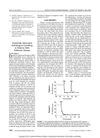
April 2012 in “Journal of Clinical Psychopharmacology” Finasteride reduces gambling symptoms in Parkinson's patients.
 1 citations
,
March 2011 in “Infertility”
1 citations
,
March 2011 in “Infertility” Hormone imbalances from the pituitary, thyroid, and adrenal glands can cause infertility, but treating these disorders can improve fertility.
 March 2024 in “Journal of Applied and Natural Science”
 Mentha spicata leaves lower testosterone and aggression in female rats.
 June 2026 in “Scientific Reports”
 Nestin-expressing hair follicle cells may be useful for nerve repair and regeneration.
12 citations
,
May 2013 in “International Journal of Molecular Sciences” Stem cells from elderly skin can become neurons, offering potential for brain therapy.
 February 2026 in “NeuroSci”
 Finasteride and dutasteride may cause depression and anxiety, especially in younger men.
 May 2023 in “Cytotherapy”
 Hair follicle and adipose cell vesicles both protect neurons and reduce inflammation similarly.
Finasteride may cause memory problems by damaging the hippocampus.
4 citations
,
April 2025 in “Frontiers in Immunology” Extracellular vesicles could offer precise treatments for psychiatric conditions by targeting brain networks.
August 2023 in “Stem cell reviews and reports” 16 citations
,
October 2017 in “Journal of steroid biochemistry and molecular biology/The Journal of steroid biochemistry and molecular biology” Dutasteride may protect the brain in early Parkinson's disease.
8 citations
,
January 2016 in “Case Reports in Psychiatry” Trichotillomania in dementia may be better treated with dopamine blockers like quetiapine than with SSRIs.
 1 citations
,
December 2021 in “Androgens”
1 citations
,
December 2021 in “Androgens” Testosterone and its metabolites affect brain functions and could help treat neurological disorders.
27 citations
,
October 2018 in “Saudi Journal of Biological Sciences” Curcumin can protect against mercury's harmful effects on brain and behavior.
1 citations
,
June 2017 in “The journal of investigative dermatology/Journal of investigative dermatology” The symposium highlighted the skin's role in sensing itch, pain, touch, and pleasure, and discussed new research and techniques for understanding and treating these sensations.
 June 2024 in “The American journal of psychiatry”
 Schizophrenia risk genes may affect early brain development, contributing to the disease.
344 citations
,
June 2006 in “American Journal Of Pathology” Human hair follicles can provide stem cells for regenerative medicine.
5 citations
,
January 2025 in “Science Advances” 5α-reductase 2 is crucial for stress response in male rats.
3 citations
,
November 2024 in “Saudi Pharmaceutical Journal” Anabolic-androgenic steroids can harm women's health and their offspring.
2 citations
,
July 2022 in “Sexual Medicine” Certain medications, especially 5-α reductase inhibitors and neuropsychiatric drugs, are often linked to erectile dysfunction.
 April 2026 in “Brain Sciences”
 Finasteride may cause depression and suicidal thoughts, especially in young men.
April 2026 in “Regenerative Medicine” Significant progress and investment in advanced therapies and regenerative medicine continue.