 December 2024 in “International Journal of Molecular Sciences”
 Human umbilical cord stem cell vesicles may help treat aging and related diseases.
 November 2024 in “Frontiers in Medicine”
 Cirrhosis affects quality of life with various symptoms, requiring a holistic, multidisciplinary approach for management.

Nanoformulations improve luteolin's effectiveness as a cancer treatment.
October 2024 in “Acta Biomaterialia” Collagen makes skin stiff, and preservation methods greatly increase tissue stiffness.
iEdgePathDDA effectively finds new drug-disease links, outperforming other methods.
 May 2024 in “International Journal of Nanomedicine”
 Biodegradable polymers can improve cannabinoid delivery but need more clinical trials.
April 2024 in “International journal of molecular sciences” Combination pharmacotherapy is generally more effective for treating keloids and hypertrophic scars.
March 2024 in “Journal of pharmacy & pharmaceutical sciences” Polymeric microneedles offer a less invasive, long-lasting drug delivery method that improves patient compliance and reduces side effects.
February 2024 in “Animals” Most dogs with adrenal-dependent hypercortisolism had normal blood pressure after one year of treatment or surgery.
 February 2024 in “IntechOpen eBooks”
 Myo-inositol-based treatments greatly improve pregnancy chances for women with PCOS.
September 2023 in “Membranes” 3D-printed membranes with smart sensors can greatly improve tissue healing and have many medical applications.
 May 2023 in “Cytotherapy”
 Hair follicle and adipose cell vesicles both protect neurons and reduce inflammation similarly.
 January 2022 in “International Journal of Medical Sciences”
 Cedrol may be an effective treatment for colorectal cancer.
29 citations
,
February 2021 in “Cancers” Ion channels play a key role in ovarian cancer growth and treatment resistance.
11 citations
,
January 2020 in “World Journal of Traditional Chinese Medicine” Kidney-yang deficiency syndrome causes hormonal imbalances and various physical symptoms.
 8 citations
,
September 2021 in “Skin appendage disorders”
8 citations
,
September 2021 in “Skin appendage disorders” Trichotillomania treatment is most successful with a mix of behavioral therapy, medication, and social support.
3 citations
,
November 2024 in “Saudi Pharmaceutical Journal” Anabolic-androgenic steroids can harm women's health and their offspring.
 April 2026 in “Biomolecules”
 Squid ink melanin nanoparticles create a safe, long-lasting black hair dye that protects hair and offers UV protection.
February 2026 in “Frontiers in Immunology” Skin diseases like acne and psoriasis are linked to stress, gut health, and inflammation, with new treatments focusing on gut and mind-body approaches.
December 2025 in “International Journal of Molecular Sciences” Bacopa procumbens extract may help protect the brain in Parkinson's disease.
52 citations
,
April 2002 in “Brain Research” Lower allopregnanolone levels increase stress-related dopamine release in the brain.
 27 citations
,
May 2015 in “Neuropharmacology”
27 citations
,
May 2015 in “Neuropharmacology” Dutasteride protects dopamine neurons in Parkinson's mice, but Finasteride doesn't.
 26 citations
,
September 2018 in “Neurobiology of Disease”
26 citations
,
September 2018 in “Neurobiology of Disease” Finasteride and dutasteride reduce unwanted movements from Parkinson's disease treatment by normalizing certain brain signals.
21 citations
,
March 2002 in “Neurology” Dopamine agonists like pramipexole and ropinirole can cause reversible hair loss.
 19 citations
,
November 2012 in “British Journal of Dermatology”
19 citations
,
November 2012 in “British Journal of Dermatology” Dopamine stops hair growth and pigment production in human scalp hair follicles.
16 citations
,
June 1983 in “Journal of Neurochemistry” Copper therapy improved health and enzyme activity in mice with copper deficiency.
 14 citations
,
October 2006 in “Journal of The American Academy of Dermatology”
14 citations
,
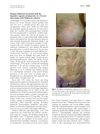
October 2006 in “Journal of The American Academy of Dermatology” A woman with Parkinson's disease experienced hair loss from the Parkinson's medication pramipexole, which improved after stopping the drug.
4 citations
,
January 1982 in “Neuroendocrinology” Dopamine affects coat color changes in agouti mice.
 3 citations
,
September 1980 in “Experientia”
3 citations
,
September 1980 in “Experientia” Dobutamine does not mimic dopamine at therapeutic doses but may at very high concentrations; microfilaments, not microtubules, are important for wound healing in Xenopus embryos.