 April 2026 in “Frontiers in Pharmacology”
 Many medications may be linked to cognitive disorders, but most lack warnings on labels.
 March 2026 in “RS Global journals (RS Global Sp. z O.O.)”
 Finasteride is effective for hair loss and prostate issues but may cause lasting side effects.
 March 2026 in “Frontiers in Pharmacology”
 Taxifolin, found in onions and milk thistle, has health benefits but needs more research for safe use.
 January 2026 in “Food Science and Human Wellness”
 Krill oil may help reduce prostate enlargement and growth.

Understanding hair follicle signaling can improve hair disorder treatments.
 January 2026 in “Asian Journal of Pharmaceutical and Clinical Research”
 Umbilical cord and cord blood stem cells are promising for treating chronic diseases due to their versatility and ethical acceptability.
 December 2025 in “Frontiers in Immunology”
 Restoring nerve-macrophage communication may help treat autoimmune diseases.
 July 2025 in “Medical Science”
 Anabolic steroids and SARMs can cause serious liver damage.
 February 2025 in “Iraqi Journal of Science”
 PCOS patients have higher LDH and lower cortisol, dopamine, zinc, and vitamin D3, which may contribute to their symptoms and obesity.
Tridax procumbens may boost the immune system.
 January 2025 in “Fitoterapia”
 Signaling pathways are key targets for developing effective drugs.
 October 2024 in “Российский физиологический журнал им И М Сеченова”
 Understanding barbering in lab rodents is important for animal welfare and research accuracy.
 June 2024 in “Namık Kemal Tıp Dergisi”
 Psoriasis patients are more likely to experience maladaptive daydreaming.

The mesenchymal stem cell secretome may effectively treat various diseases as an alternative to traditional stem cell therapies.
 April 2024 in “Frontiers in pharmacology”
 Cynoglossum amabile has medicinal potential but poses safety concerns due to liver toxicity.

Iron deficiency anemia can cause itching, which often improves with iron supplements.
 September 2023 in “Translational medicine reports”
 Minoxidil ingestion can raise liver enzyme levels.

More research is needed to confirm the potential of various treatments, including Helichrysum plicatum, vitamins, bromelain, personalized medications, hydrogels, and bacteriophage therapy.
 November 2022 in “CARDIOMETRY”
 A group has developed therapies that show promise for treating cancer and various other conditions.
 July 2022 in “International journal of KIU”
 Genetics influence opioid addiction risk, diet affects COVID-19 severity, Aerva lanata may harm kidneys, some plants fight fungi and cancer, and nursing students need better contraceptive knowledge.
 January 2022 in “Medical research archives”
 Taking vitamin D might improve life for MS patients and reduce skin side effects from alemtuzumab treatment.
 September 2021 in “Physiology News”
 Air Vice-Marshal Sir Ralph Jackson significantly advanced dialysis technology in the UK.
 September 2021 in “Physiology News”
 Addressing underrepresentation in Parkinson's research is crucial for better treatments and understanding.
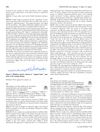 May 2019 in “The Journal of Sexual Medicine”
 Drinking alcohol before taking flibanserin does not increase the risk of severe low blood pressure or fainting.
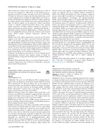 May 2019 in “The Journal of Sexual Medicine”
 Flibanserin's effectiveness for low sexual desire in premenopausal women may vary based on hormone levels, with normal hormone levels showing better responses.
 March 2017 in “Fundamental & Clinical Pharmacology”
 The model and estimator can predict drug exposure in kidney transplant patients well.
Low-level laser therapy may help stem cells grow and function better, aiding in healing and tissue repair.
 March 2014 in “Human Physiology”
 DHEA improved brain function and behavior in old monkeys and had additional health benefits.
 November 2025 in “Nanoscale Advances”
 Inorganic nanoparticle-based scaffolds can improve wound healing by fighting bacteria and helping tissue grow.
 October 2023 in “Biomedical science and engineering”
 Innovative methods are reducing animal testing and improving biomedical research.