1 citations
,
July 2025 in “International Journal of Women’s Dermatology” Women's minoxidil products cost more and are less effective than men's.
 October 2023 in “International Journal of Pharmaceutics”
 Using minoxidil with tocopherol acetate in ethosomes improves hair regrowth in hair loss treatment.
 20 citations
,
March 2019 in “Journal of The European Academy of Dermatology and Venereology”
20 citations
,
March 2019 in “Journal of The European Academy of Dermatology and Venereology” Minoxidil effectively and safely treats patchy hair loss, but more research needed.
 3 citations
,
January 2018
3 citations
,
January 2018 A woman had an unusual allergic reaction to a hair loss treatment, which cleared up after stopping the treatment and using a different medication.
February 2023 in “Ästhetische Dermatologie & Kosmetologie”  29 citations
,
July 2009 in “Journal of Dermatology”
29 citations
,
July 2009 in “Journal of Dermatology” 5% minoxidil works better for hair growth than 1% minoxidil.
January 2026 in “Dermatologic Therapy” 0.5% minoxidil mesotherapy is more effective and safe for hair growth in women with androgenetic alopecia than topical 2% minoxidil.
 1 citations
,
October 2021 in “Journal of Medical Case Reports”
1 citations
,
October 2021 in “Journal of Medical Case Reports” Using minoxidil for hair loss might cause sudden vision loss, so use it with caution and monitor closely.
4 citations
,
December 2015 in “MVP journal of medical science” Topical Minoxidil 5% works as well as the combination treatment for hair loss.
 28 citations
,
September 2019 in “International Journal of Nanomedicine”
28 citations
,
September 2019 in “International Journal of Nanomedicine” Minoxidil nanoparticles can potentially be a more effective treatment for hair growth than current treatments.
January 2017 in “Zenodo (CERN European Organization for Nuclear Research)” The minoxidil emulgel is feasible and may be more effective for treating male pattern baldness.
13 citations
,
December 1987 in “British Journal of Dermatology” Increased T cell activity may predict hair regrowth success with minoxidil in severe alopecia areata.
 August 2019 in “Journal of The American Academy of Dermatology”
 5% minoxidil foam effectively regrows hair in women, with postmenopausal women seeing the most improvement.
 December 2018 in “Evidence-Based Practice”
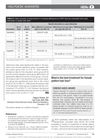
 Topical minoxidil 1% and 2% are twice as effective as placebo for female pattern hair loss.
 June 2026 in “Journal of Materials Science Materials in Medicine”
 A 5% minoxidil nanoemulsion improved hair growth more effectively than commercial solutions without causing skin irritation.
November 2016 in “Cochrane Clinical Answers” 
Betamethasone dipropionate lotion is more effective than minoxidil solution for treating Alopecia Areata.
 November 2020 in “Postepy Dermatologii I Alergologii”
 Sulfotransferase SULT1A1 activity may predict minoxidil treatment success for hair loss.
1 citations
,
January 2022 in “Journal of Cutaneous and Aesthetic Surgery” Combining 5% minoxidil with platelet-rich plasma is more effective for hair loss than minoxidil alone.
 July 1995 in “Journal of Dermatological Science”
 Cyclosporine starts hair growth faster, while minoxidil makes it last longer.
January 2012 in “Open MIND” Oral minoxidil can cause painful skin bumps and scarring in some people.
 January 2026 in “Figshare”
 Low-dose oral minoxidil improves hair loss and quality of life in women, with manageable side effects.
 14 citations
,
January 2014 in “International Journal of Dermatology”
14 citations
,
January 2014 in “International Journal of Dermatology” Minoxidil with Korean red ginseng improves hair density and thickness more than minoxidil alone.
 13 citations
,
February 2022 in “JAMA Dermatology”
13 citations
,
February 2022 in “JAMA Dermatology” Dutasteride is the most effective hair loss treatment after 24 weeks, but finasteride leads to the most hair growth after 48 weeks.

The combination of ADSC secretome and minoxidil was most effective for hair growth in people with hair loss.
 February 2025 in “Clinical & Experimental Dermatology and Therapies”
 Combining supplements with minoxidil improves hair growth more than minoxidil alone.
 2 citations
,
July 2020 in “Giornale italiano di dermatologia e venereologia”
2 citations
,
July 2020 in “Giornale italiano di dermatologia e venereologia” A woman with frontal fibrosing alopecia experienced unusual hair growth after using a specific topical lotion.
1 citations
,
July 2016 in “PubMed” 5% minoxidil foam is effective and safe for hair regrowth in women with hair loss.
 11 citations
,
October 2016 in “Biomedicine & Pharmacotherapy”
11 citations
,
October 2016 in “Biomedicine & Pharmacotherapy” Both human platelet lysate and minoxidil can promote hair growth, but they affect different genes and cell survival rates.
September 1992 in “Journal of Dermatological Science”