December 2019 in “Arak Medical University Journal” Adding 7% chamomile extract to minoxidil reduces skin side effects in treating male hair loss.
November 2006 in “Yafteh” The herbal drug worked faster than Minoxidil for treating telogen effluvium.
Combining minoxidil with microneedling may be more effective for hair growth than using minoxidil alone.
 January 2026 in “Figshare”
 Low-dose oral minoxidil improves hair loss and quality of life for women, despite mild unwanted hair growth.
 March 2025 in “Archives of Dermatological Research”
 Combined microneedling with minoxidil improves hair growth more than minoxidil alone but may cause mild side effects.
 May 2026 in “Journal of the American Academy of Dermatology”
 Sublingual minoxidil safely increases hair growth in transgender people on testosterone therapy.
5 citations
,
April 2025 in “Journal of the American Academy of Dermatology” Use minoxidil correctly and be aware of side effects for best hair loss treatment results.

A man got an allergic skin reaction after using a 5% minoxidil solution for hair growth, suggesting it's important to check the ingredients of such solutions.
January 2021 in “Systematic Reviews in Pharmacy” Melatonin and minoxidil together may improve hair growth when applied to the skin.
January 2013 in “Journal of Clinical Dermatology” The combination of oral finasteride and topical 5% minoxidil effectively treats androgenic alopecia, especially after 3 months.
January 2005 in “Farmaceutski glasnik” Minoxidil and finasteride are key treatments for hair loss.
6 citations
,
April 2022 in “Journal of The American Academy of Dermatology” Low-dose oral minoxidil improved hair growth in most pediatric patients with mild side effects.
 September 2025 in “Journal of the American Academy of Dermatology”
 Sublingual minoxidil significantly improves hair growth in transgender individuals on testosterone therapy.

Minoxidil may harm male reproductive health by causing testicular damage and hormonal disruption.
 9 citations
,
July 2017 in “Journal of Drug Delivery Science and Technology”
9 citations
,
July 2017 in “Journal of Drug Delivery Science and Technology” Scientists developed a new method to deliver alopecia treatment directly to hair follicles, which could be a promising treatment for hair loss and other hair diseases.
 April 2016 in “Journal of Investigative Dermatology”
 Using a stimulating cream shampoo before applying Minoxidil helps it penetrate hair follicles better, enhancing its hair growth-promoting effect.
 14 citations
,
July 1987 in “Contact Dermatitis”
14 citations
,
July 1987 in “Contact Dermatitis” A small percentage of minoxidil users may develop an allergic skin reaction.
 12 citations
,
March 2018 in “Australasian Journal of Dermatology”
12 citations
,
March 2018 in “Australasian Journal of Dermatology” Minoxidil treatment can reduce hair shedding, increase hair volume, and even change hair color in patients with loose anagen hair syndrome.
January 2004 in “Medicine Today” Topical minoxidil helps hair regrowth in over 50% of men and women.
2 citations
,
April 2020 in “PubMed” 6 citations
,
October 2011 in “Archives de pédiatrie” Minoxidil ingestion can cause severe heart issues and requires careful medical monitoring.
 370 citations
,
September 1999 in “The New England Journal of Medicine”
370 citations
,
September 1999 in “The New England Journal of Medicine” Finasteride and minoxidil are effective for hair loss, but continued research is needed for better treatments.
March 2023 in “Reactions Weekly”  18 citations
,
July 1975 in “Clinical Pharmacology & Therapeutics”
18 citations
,
July 1975 in “Clinical Pharmacology & Therapeutics” Oral minoxidil effectively controls blood pressure quickly and safely.
 40 citations
,
December 2006 in “Journal of The European Academy of Dermatology and Venereology”
40 citations
,
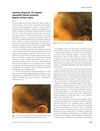
December 2006 in “Journal of The European Academy of Dermatology and Venereology” Minoxidil helps hair regrowth in traction alopecia.
 10 citations
,
December 2020 in “Dermatologic Therapy”
10 citations
,
December 2020 in “Dermatologic Therapy” Minoxidil and spironolactone combo effectively treats androgenetic alopecia, improving hair density and diameter.
 43 citations
,
May 1978 in “JAMA”
43 citations
,
May 1978 in “JAMA” Minoxidil controls blood pressure but may cause kidney damage and needs diuretics to prevent swelling.
 6 citations
,
May 2012 in “Clinical and experimental dermatology”
6 citations
,
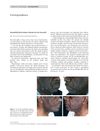
May 2012 in “Clinical and experimental dermatology” Oral minoxidil can cause inflamed, ingrown hairs in the beard area.
 November 2025 in “Australian Journal of General Practice”
 Oral finasteride and topical minoxidil can regrow hair, but finasteride may affect fertility.
November 2025 in “Skin Appendage Disorders” Combining triamcinolone microinjections with minoxidil improves hair growth in women more than minoxidil alone.