8 citations
,
July 2024 in “European journal of medical research” Alopecia areata after COVID-19 vaccination is rare but important to recognize for timely treatment.
6 citations
,
June 2024 in “Medical Review” Biliary fibrosis is crucial in liver diseases and understanding it can help prevent and treat these conditions.
3 citations
,
August 2024 in “Frontiers in Endocrinology” Thyroid issues can cause alopecia areata.
 2 citations
,
January 2023 in “Journal of Clinical Medicine”
2 citations
,
January 2023 in “Journal of Clinical Medicine” People with hair loss conditions may also have thyroid disorders, but more research is needed to understand the connection.
1 citations
,
August 2025 in “JDDG Journal der Deutschen Dermatologischen Gesellschaft” People with alopecia areata may have a higher risk of thyroid diseases.
286 citations
,
August 2007 in “Journal of Clinical Investigation” Alopecia areata is an autoimmune disease where T cells attack hair follicles.
227 citations
,
April 2020 in “Cell” More precise, personalized therapies are needed for autoimmune diseases.
143 citations
,
January 2007 in “The American Journal of Human Genetics” Certain genes on chromosomes 6, 10, 16, and 18 may increase the risk of alopecia areata.
106 citations
,
January 2013 in “Clinical and Developmental Immunology” Alopecia areata is caused by immune system attacks on hair follicles, often triggered by viral infections.
54 citations
,
June 2018 in “Nutrients” Early diagnosis and a strict gluten-free diet are crucial for children with celiac disease to improve symptoms.
22 citations
,
January 2014 in “Journal of Interferon & Cytokine Research” Certain genetic variations in IL18 may increase the risk of alopecia areata in Koreans.
19 citations
,
July 2020 in “EBioMedicine” A gene variant increases the risk of a type of hair loss by affecting hair protein production.
15 citations
,
March 2018 in “Cancer Medicine” Alopecia areata patients have varied cancer risks, with some cancers being lower and others higher.
6 citations
,
September 2024 in “Journal of Clinical Medicine” Thyroid and skin autoimmune diseases share genetic and immune links, affecting both tissues.
 6 citations
,
November 2019 in “The application of clinical genetics”
6 citations
,
November 2019 in “The application of clinical genetics” The study found that a specific genetic variation in the TNFα gene is significantly linked to Alopecia Areata in the Jordanian Arab population.
November 2025 in “Annals of Dermatology” Alopecia Areata affects young adults more in high-income countries, especially females.
 February 2026 in “Nature Communications”
 A specific group of immune and skin cells may cause chronic inflammation in atopic dermatitis.
January 2026 in “Case Reports in Dermatological Medicine” Lichen Planus in siblings may be influenced by genetics and environment.
 1 citations
,
June 2023 in “Genes”
1 citations
,
June 2023 in “Genes” Hair loss from Alopecia Areata is caused by both genes and environment, with several treatments available but challenges in cost and relapse remain.
November 2025 in “npj Breast Cancer” Tamoxifen increases the risk of lasting hair loss after chemotherapy despite scalp cooling.
 November 2024 in “medRxiv (Cold Spring Harbor Laboratory)”
 Genetic factors affecting skin health and body weight may increase the risk of dermatophytosis.
 23 citations
,
March 2001 in “Clinics in dermatology”
23 citations
,
March 2001 in “Clinics in dermatology” Alopecia areata involves immune response and gene changes affecting hair loss.
 20 citations
,
November 2005 in “Journal of Investigative Dermatology Symposium Proceedings”
20 citations
,
November 2005 in “Journal of Investigative Dermatology Symposium Proceedings” IFN-γ and IL-2 are important for T cell activation in hair loss in mice.
 11 citations
,
April 2009 in “Pharmacotherapy”
11 citations
,
April 2009 in “Pharmacotherapy” Minoxidil can cause deadly skin reaction; monitor patients closely.
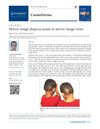
Mirror-image twins can have alopecia areata on opposite sides of their heads.
 June 2020 in “The journal of investigative dermatology/Journal of investigative dermatology”
 Topical treatments led to hair regrowth in a man with linear morphea.
 July 2018 in “Elsevier eBooks”
 Lichen Planopilaris is a hair loss condition best treated early with various medications, including hydroxychloroquine, to prevent permanent baldness.
 391 citations
,
January 2010 in “Journal of The American Academy of Dermatology”
391 citations
,
January 2010 in “Journal of The American Academy of Dermatology” Half of people with Alopecia Areata may see hair regrowth within a year without treatment, but recovery is unpredictable.
 370 citations
,
September 1999 in “The New England Journal of Medicine”
370 citations
,
September 1999 in “The New England Journal of Medicine” Finasteride and minoxidil are effective for hair loss, but continued research is needed for better treatments.
 291 citations
,
January 2014 in “The Scientific World Journal”
291 citations
,
January 2014 in “The Scientific World Journal” Lichen Planus is a less common condition affecting skin and mucous membranes, with various types and associated risk factors, challenging to diagnose, significantly impacts life quality, and may have a risk of cancerous changes in oral lesions.