 December 2025 in “Zenodo (CERN European Organization for Nuclear Research)”
 Tridax procumbens is a promising herb for developing safe, affordable plant-based medicines.
 24 citations
,
December 2009 in “Future Medicinal Chemistry”
24 citations
,
December 2009 in “Future Medicinal Chemistry” Using computers to analyze drugs can find new uses for them, but actual experiments are needed to confirm these uses.
33 citations
,
August 2024 in “Frontiers in Drug Discovery” Drug repurposing is a faster, cheaper way to develop new treatments using existing drugs.
 1 citations
,
March 2025 in “Frontiers in Physiology”
1 citations
,
March 2025 in “Frontiers in Physiology” Methotrexate, resveratrol, and curcumin may help treat alopecia areata by targeting immune cells.
 1 citations
,
August 2020 in “IntechOpen eBooks”
1 citations
,
August 2020 in “IntechOpen eBooks” Old drugs like finasteride and spironolactone are being successfully used for hair loss and skin conditions, and many other drugs show promise for new uses in dermatology.
 October 2022 in “Journal of experimental and clinical medicine”
 Repurposing existing drugs for COVID-19 shows promise but requires more research to confirm effectiveness.
 39 citations
,
December 2018 in “Methods in molecular biology”
39 citations
,
December 2018 in “Methods in molecular biology” The document concludes that computational methods using networks and various data can improve the process of finding new uses for existing drugs.
 3 citations
,
July 2025 in “BIOMED natural and applied science”
3 citations
,
July 2025 in “BIOMED natural and applied science” Drug repurposing can create safer, cheaper treatments by finding new uses for existing drugs.
 69 citations
,
June 2017 in “Experimental Biology and Medicine”
69 citations
,
June 2017 in “Experimental Biology and Medicine” Advanced human skin models improve drug development and could replace animal testing.
 67 citations
,
January 2022 in “Theranostics”
67 citations
,
January 2022 in “Theranostics” Advanced nanocarrier and microneedle drug delivery methods are more effective, safer, and less invasive for treating skin diseases.
 39 citations
,
April 2020 in “IntechOpen eBooks”
39 citations
,
April 2020 in “IntechOpen eBooks” Drug repurposing is a cost-effective way to find new uses for existing drugs, speeding up treatment development.
 34 citations
,
July 2010 in “Expert Opinion on Drug Delivery”
34 citations
,
July 2010 in “Expert Opinion on Drug Delivery” The document concludes that there is no agreed-upon best method for measuring drug delivery within hair follicles and more research is needed to validate current techniques.
 4 citations
,
January 2019 in “Elsevier eBooks”
4 citations
,
January 2019 in “Elsevier eBooks” Finding new uses for existing drugs is promising and can lead to safer, more effective medicines.
 February 2025 in “Biointerface Research in Applied Chemistry”
 Repurposing existing drugs can quickly and cheaply find new treatments for diseases.
 November 2018 in “The Journal of Allergy and Clinical Immunology: In Practice”
 Using old drugs for new uses can help treat rare immune deficiencies.
 1 citations
,
August 2025
1 citations
,
August 2025 Drug repurposing can speed up and reduce costs in drug discovery, especially for cancer treatment.
 42 citations
,
January 2018 in “Expert review of precision medicine and drug development”
42 citations
,
January 2018 in “Expert review of precision medicine and drug development” Drug repositioning is becoming more targeted and efficient with new technologies, offering personalized treatment options and growing interest in the field.
 28 citations
,
September 2020 in “Pharmaceutics”
28 citations
,
September 2020 in “Pharmaceutics” 3D-printed mesoporous scaffolds show promise for personalized drug delivery with controlled release.
 10 citations
,
May 2016 in “Polymer”
10 citations
,
May 2016 in “Polymer” New nanocarriers improve skin drug delivery with low toxicity at certain concentrations.
 January 2025 in “Drug repurposing”
 New drug uses show promise but need more research.
 70 citations
,
February 2015 in “Expert Opinion on Drug Discovery”
70 citations
,
February 2015 in “Expert Opinion on Drug Discovery” Topical drugs and near-infrared light therapy show potential for treating alopecia.
 April 2017 in “The journal of investigative dermatology/Journal of investigative dermatology”
 QMSI is a valuable method for studying drug penetration in skin tissues.
 March 2006 in “Drug Discovery Today: Therapeutic Strategies”
 The 2006 editorial concluded that immunotherapy was advancing with new drugs, focusing on specific biological therapies and convenient oral treatments, and highlighted the importance of partnerships and new regulations in the field.
 10 citations
,
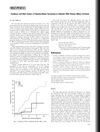
October 2010 in “Hepatology”
10 citations
,
October 2010 in “Hepatology” Certain liver diseases respond well to specific treatments and have varying risks for liver cancer.
 151 citations
,
July 2011 in “Archives of Dermatological Research”
151 citations
,
July 2011 in “Archives of Dermatological Research” Liposomal systems show promise for delivering drugs through the skin but face challenges like high costs and stability issues.
 41 citations
,
August 2024 in “Drug Delivery and Translational Research”
41 citations
,
August 2024 in “Drug Delivery and Translational Research” 3D-printed microneedles improve drug delivery by being precise, cost-effective, and less invasive.
 26 citations
,
December 2016 in “Pharmacology & Therapeutics”
26 citations
,
December 2016 in “Pharmacology & Therapeutics” New drugs for heart disease may be developed from molecules secreted by stem cells.
 3 citations
,
January 2023 in “Journal of Pharmaceutical Negative Results”
3 citations
,
January 2023 in “Journal of Pharmaceutical Negative Results” The emulgel with 11.5% oil and 1.75% gelling agent effectively delivers fluconazole topically with improved spreadability and stability.
 February 2026 in “Frontiers in Bioengineering and Biotechnology”
 Liposome-based systems improve skin wound healing effectively.
 33 citations
,
June 2007 in “International Journal of Pharmaceutics”
33 citations
,
June 2007 in “International Journal of Pharmaceutics” The conclusion is that measuring how drugs partition into artificial sebum is important for predicting their delivery into hair and sebaceous follicles, and it provides better information than traditional methods.