 1 citations
,
February 2010 in “Proceedings of SPIE”
1 citations
,
February 2010 in “Proceedings of SPIE” Low level laser therapy may help regenerate hair cells in the ear after damage from gentamicin.
1 citations
,
January 2014 Some drugs can cause temporary or permanent hair loss.
 4 citations
,
April 2014 in “Journal of Pharmacology and Pharmacotherapeutics”
4 citations
,
April 2014 in “Journal of Pharmacology and Pharmacotherapeutics” The boy's hair loss was caused by the tuberculosis drug isoniazid but grew back after stopping the medication.
 18 citations
,
October 2021 in “Frontiers in Physiology”
18 citations
,
October 2021 in “Frontiers in Physiology” Lipocalin-Type Prostaglandin D2 Synthase (L-PGDS) is a protein that plays many roles in the body, including sleep regulation, pain management, food intake, and protection against harmful substances. It also affects fat metabolism, glucose intolerance, cell maturation, and is involved in various diseases like diabetes, cancer, and arthritis. It can influence sex organ development and embryonic cell differentiation, and its levels can be used as a diagnostic marker for certain conditions.
 1 citations
,
March 2024 in “Journal of Cellular and Molecular Medicine”
1 citations
,
March 2024 in “Journal of Cellular and Molecular Medicine” 4-octyl itaconate may prevent hearing loss caused by the drug cisplatin by activating certain cell protection pathways.
 January 2020 in “Archives of Medicine and Health Sciences”
 Certain immune molecules and stress affect hair loss, and while genes play a role, more research is needed to fully understand and treat it.
 August 2013 in “Nature Reviews Drug Discovery”
 New treatments for cancer and skin disorders show promise in disrupting harmful cell interactions and promoting hair growth.
1 citations
,
April 2024 in “Journal of Drug Delivery Science and Technology” Microneedles combined with conventional therapies show promise in treating alopecia areata.
December 2022 in “Molecular Pharmaceutics” Latanoprost-loaded nanotransfersomes could help treat hair loss by promoting hair growth.
 33 citations
,
September 2012 in “Australasian Journal of Dermatology”
33 citations
,
September 2012 in “Australasian Journal of Dermatology” Chemotherapy can cause hair changes similar to alopecia areata, which might lead to misdiagnosis.
January 2025 in “Journal of Controlled Release” A new microneedle patch helps treat hair loss by improving drug delivery to hair follicles.
 6 citations
,
March 2014 in “Annals of Pharmacotherapy”
6 citations
,
March 2014 in “Annals of Pharmacotherapy” A woman's hair loss was probably caused by the antifungal drug anidulafungin.
4 citations
,
January 2020 in “Journal of family medicine and primary care” Increasing Teneligliptin on his own caused a man's hair loss, which stopped when he ceased the medication.
 31 citations
,
January 2015 in “Journal of The American Academy of Dermatology”
31 citations
,
January 2015 in “Journal of The American Academy of Dermatology” Prostaglandin F2α analogs show promise for treating certain types of hair loss but need more research for other skin conditions.
 26 citations
,
April 1977 in “PubMed”
26 citations
,
April 1977 in “PubMed” Minoxidil, a blood pressure drug, can cause excessive hair growth, but this can be successfully treated with a hair removal agent called calcium thioglycolate.
15 citations
,
July 2014 in “The journal of investigative dermatology/Journal of investigative dermatology” iPSCs can help treat genetic skin disorders by creating healthy skin cells from a small biopsy.
 March 2026 in “Journal of Drug Delivery and Therapeutics”
 Aloe vera is effective and safe for skin and hair care.
 May 2026 in “International Journal of Molecular Sciences”
 Chemotherapy-induced hair loss may be linked to immune system changes, and certain treatments could help but need careful use.
 April 2024 in “Authorea (Authorea)”
 Stopping heptaminol medication reversed hair color loss in a patient on dialysis.
 November 2022 in “The Indian journal of chest diseases & allied sciences”
 Isoniazid can rarely cause hair loss, which is reversible after stopping the drug.
 3 citations
,
March 2018 in “Pediatric Dermatology”
3 citations
,
March 2018 in “Pediatric Dermatology” Two children grew extra hair from taking omeprazole, which went away after they stopped the medication.

Autophagy helps activate hair stem cells and hair growth by changing their energy use to glycolysis.
 1 citations
,
January 2017 in “Current Dermatology Reports”
1 citations
,
January 2017 in “Current Dermatology Reports” Early baldness in men may indicate risks for obesity, metabolic syndrome, insulin resistance, and heart disease, similar to women with PCOS. Alopecia areata is often linked with autoimmune diseases and mental health issues. Certain hair disorders are due to genetic issues, and chemotherapy can cause hair loss through specific biological pathways. Iron deficiency's link to hair loss is still disputed.
 159 citations
,
July 2006 in “Endocrine Reviews”
159 citations
,
July 2006 in “Endocrine Reviews” Estrogens significantly influence hair growth by interacting with receptors in hair follicles and may help regulate the hair growth cycle.
 101 citations
,
January 1997 in “Journal of Investigative Dermatology Symposium Proceedings”
101 citations
,
January 1997 in “Journal of Investigative Dermatology Symposium Proceedings” Nerves and chemicals in the body can affect hair growth and loss.
 1 citations
,
September 2024 in “International Journal of Advanced Multidisciplinary Research and Studies”
1 citations
,
September 2024 in “International Journal of Advanced Multidisciplinary Research and Studies” Chemotherapy with carboplatin-paclitaxel causes hair loss in all patients.
Understanding wound healing and signaling pathways could lead to new alopecia treatments.
 29 citations
,
July 2003 in “PubMed”
29 citations
,
July 2003 in “PubMed” Hair loss affects both genders and can impact well-being, with treatments available for various types.
 1 citations
,
August 2016 in “Journal of Investigative Dermatology”
1 citations
,
August 2016 in “Journal of Investigative Dermatology” Activating STAT5 in the skin's dermal papilla is key for starting hair growth, regenerating hair follicles, and healing wounds.
 6 citations
,
May 1993 in “Archives of Disease in Childhood”
6 citations
,
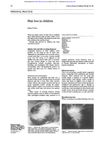
May 1993 in “Archives of Disease in Childhood” Children's hair loss can be caused by many factors, including autoimmune diseases, emotional stress, genetics, and infections, with treatment and prognosis varying.