 5 citations
,
April 2019 in “Plastic and reconstructive surgery. Global open”
5 citations
,
April 2019 in “Plastic and reconstructive surgery. Global open” Fractional lasers could help hair regrowth in androgenic alopecia, but more research is needed to confirm their effectiveness and safety.
 11 citations
,
June 2011 in “Expert Review of Dermatology”
11 citations
,
June 2011 in “Expert Review of Dermatology” Skin reactions to drugs are common and can be deadly, usually requiring stopping the drug and may be better prevented with genetic testing in the future.
 38 citations
,
September 2017 in “Oncologist”
38 citations
,
September 2017 in “Oncologist” Scalp cooling can help prevent chemotherapy-induced hair loss with a 50-90% success rate and is safe for patients.
 30 citations
,
May 1991 in “Psychosomatics”
30 citations
,
May 1991 in “Psychosomatics” Some psychiatric medications can cause reversible hair loss.
Stress can cause hair loss and trigger autoimmunity by damaging hair follicle cells.
 April 2025 in “International Journal of Molecular Sciences”
 New treatments for hair loss show promise with advanced therapies and better targeting.
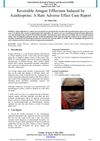 May 2025 in “International Journal of Science and Research (IJSR)”
 Stopping azathioprine led to full hair regrowth and recovery in 2.5 months.
 71 citations
,
June 2001 in “American Journal of Pathology”
71 citations
,
June 2001 in “American Journal of Pathology” The p53 protein helps control hair follicle shrinking by promoting cell death in mice.
 13 citations
,
January 2010 in “Advances in Biochemical Engineering / Biotechnology”
13 citations
,
January 2010 in “Advances in Biochemical Engineering / Biotechnology” Understanding hair biology is key to developing better treatments for hair and scalp issues.
 January 2026 in “Cell and Tissue Biology”
 TS-13 speeds up hair regrowth after chemotherapy without affecting treatment effectiveness.
 3 citations
,
January 2015 in “Social Science Research Network”
3 citations
,
January 2015 in “Social Science Research Network” The conclusion is that off-label drug use can lead to important medical discoveries and improve patient care.
 39 citations
,
October 2015 in “Case Reports”
39 citations
,
October 2015 in “Case Reports” Some people experience severe, long-lasting side effects from fluoroquinolone antibiotics, leading to the recommendation of limited use and increased awareness of these risks.
 August 2016 in “Journal of Dermatology”
 A chemical called 5-Bromo-2′-deoxyuridine caused rapid hair loss in mice by killing certain skin cells through a specific cell death pathway.
 15 citations
,
November 2002 in “Cardiology in Review”
15 citations
,
November 2002 in “Cardiology in Review” Cardiovascular drugs can cause various skin problems, so recognizing these reactions is important.
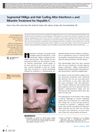 14 citations
,
January 2006 in “Skinmed”
14 citations
,
January 2006 in “Skinmed” A woman developed white patches on her skin and curly hair after hepatitis C treatment, likely due to the medication interferon alpha.
 January 2024 in “Inflammation and regeneration”
 Th22 cells are essential for Tβ15-induced hair growth in mice.
 April 2025 in “International Journal For Multidisciplinary Research”
 Hypertrichosis causes excessive hair growth and can be managed with treatments like laser, electrolysis, or new topical solutions.
 June 2025 in “Journal of Cluster Science”
 Metal nanoparticles show promise for treating hair loss but need more research to ensure safety.
 January 2022 in “Clinical Cases in Dermatology”
 Some hair loss from medication may reverse after stopping the drug, but treatment options are limited and ongoing research is needed.
 June 2023 in “Asian Journal of Pharmaceutical Research”
 Different types of hair loss require specific treatments, and new treatments are being developed.
 38 citations
,
July 1989 in “Archives of dermatological research”
38 citations
,
July 1989 in “Archives of dermatological research” Testosterone causes hair loss in AGA mice, which are good for testing baldness treatments, and both minoxidil and cyproterone acetate can prevent this hair loss.
 63 citations
,
March 1995 in “International Journal of Dermatology”
63 citations
,
March 1995 in “International Journal of Dermatology” Some drugs can cause hair loss, and stopping these drugs often leads to hair regrowth.
Roaccutane can cause severe liver damage.
 64 citations
,
January 2002 in “American Journal of Clinical Dermatology”
64 citations
,
January 2002 in “American Journal of Clinical Dermatology” Some patients taking antipsychotic medications experience skin reactions, ranging from mild to severe.
March 2023 in “International Journal of Trichology” A man developed temporary hair loss after taking a cancer drug, which might indicate a better treatment response.
 October 2025 in “Dermatology Practical & Conceptual”
 Psoriasis patients are more likely to develop alopecia areata due to complex autoimmune interactions.
 August 2025 in “Annals of Medicine”
 Mycophenolate mofetil may safely help restore skin color in depigmentation conditions.
September 2021 in “Assay and drug development technologies” Drug repurposing shows promise for treating many medical conditions.
 150 citations
,
October 2010 in “The American Journal of Pathology”
150 citations
,
October 2010 in “The American Journal of Pathology” The document concludes that more research is needed to better understand and treat primary cicatricial alopecias, and suggests a possible reclassification based on molecular pathways.
1 citations
,
November 2025 in “Stem Cell Research & Therapy” Immortalized hair follicle cells could be useful for regenerative medicine and treating inflammation and oxidative stress.