 January 2025 in “Drug repurposing”
 New drug uses show promise but need more research.
 March 2020 in “The Journal of animal and plant sciences/The JAPS”
 Aloe Vera helps wounds heal faster and promotes hair growth.
 March 2021 in “Journal of Evolution of Medical and Dental Sciences”
 Chemotherapy causes hair loss, nausea, fatigue, and blood issues, but counseling can help manage these effects.
 October 2022 in “Journal of Pharmaceutical Negative Results”
 Photobiomodulation therapy shows promise in treating various health conditions by using specific light wavelengths.
 January 2024 in “Sanjeevani Darshan National Journal of Ayurveda & Yoga”
 The treatment may help regrow hair in Alopecia Areata.
 84 citations
,
December 2018 in “Genetics in Medicine”
84 citations
,
December 2018 in “Genetics in Medicine” Pegvaliase is recommended for treating adults with phenylketonuria.
 15 citations
,
October 2017 in “Clinics in Dermatology”
15 citations
,
October 2017 in “Clinics in Dermatology” Elderly abuse is often by family members, and doctors, especially dermatologists, can spot it by looking for unusual injuries and malnutrition.
 2 citations
,
August 2011 in “InTech eBooks”
2 citations
,
August 2011 in “InTech eBooks” New methods for growing skin cells can improve skin grafts by building blood vessels within them.
 June 2025 in “Basrah Researches Sciences”
 Medicinal plants might help with post-COVID-19 issues, but more research is needed.
 February 2024 in “International journal of biology, pharmacy and allied sciences”
 Plant-based treatments can effectively and safely treat hair loss.
 February 2024 in “Asian journal of medical sciences”
 Proper hygiene, adequate sleep, and self-care can reduce common skin diseases.
 May 2025 in “Frontiers in Pharmacology”
 New treatments are needed for non-scarring alopecia due to current limitations.

Eriocitrin and silymarin might be effective for hair loss treatment and need more research.
102 citations
,
January 2022 in “Mayo Clinic Proceedings” COVID-19 can cause long-term health issues in many body systems, and vaccination is important to prevent these effects.
83 citations
,
August 2020 in “Resources” Macroalgae compounds offer sustainable, effective benefits for cosmetics.
May 2026 in “Science Advances” Caloric stress and differentiation increase IRES translation, affecting stem cell function and potential therapies.
 147 citations
,
April 1994 in “Drug Safety”
147 citations
,
April 1994 in “Drug Safety” Some drugs can cause hair loss or increase hair growth, but these effects are usually reversible when the drug is stopped.
 114 citations
,
January 2007 in “Drug Safety”
114 citations
,
January 2007 in “Drug Safety” Some drugs can cause skin, nail, and hair problems, which are important for healthcare professionals to recognize and report.
 52 citations
,
October 2016 in “Clinics in Dermatology”
52 citations
,
October 2016 in “Clinics in Dermatology” Some medications can cause acne, and stopping these drugs is the main treatment.
 49 citations
,
December 2018 in “JAAD case reports”
49 citations
,
December 2018 in “JAAD case reports” Dupilumab may cause significant hair loss, which can reverse after stopping the drug.
 40 citations
,
August 2006 in “Current Drug Safety”
40 citations
,
August 2006 in “Current Drug Safety” Some drugs can cause hair loss, excessive growth, or color changes, often reversible but sometimes permanent.
36 citations
,
November 2016 in “European journal of dermatology/EJD. European journal of dermatology” Some medications can cause rare hair color changes, and reporting these side effects is important for patient quality of life.
31 citations
,
October 1992 in “Journal of Clinical Pharmacy and Therapeutics” Some medications can change hair color, especially chloroquine and cancer treatments.
20 citations
,
September 1995 in “PubMed” Many drugs can cause temporary hair loss, which usually stops when the drug is discontinued.
 17 citations
,
January 2013 in “Indian Journal of Pharmacology”
17 citations
,
January 2013 in “Indian Journal of Pharmacology” High levels of the seizure medication sodium valproate can cause hair loss.
 10 citations
,
October 2010 in “Hepatology”
10 citations
,
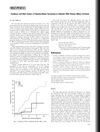
October 2010 in “Hepatology” Certain liver diseases respond well to specific treatments and have varying risks for liver cancer.
 9 citations
,
January 1992 in “Journal of Investigative Dermatology”
9 citations
,
January 1992 in “Journal of Investigative Dermatology” Sugar molecule helps hair growth, less in balding, returns with treatment.
 7 citations
,
June 2015 in “Cutaneous and Ocular Toxicology”
7 citations
,
June 2015 in “Cutaneous and Ocular Toxicology” Some drugs can cause skin reactions, which may improve when the drug is stopped, and rapid diagnosis and stopping the drug is crucial.
 7 citations
,
May 2014 in “Clinical practice”
7 citations
,
May 2014 in “Clinical practice” Cooling the scalp may prevent hair loss from chemotherapy, hair often grows back after treatment, and nail issues usually improve after stopping the drug.
 4 citations
,
December 2021 in “Archivio italiano di urologia andrologia”
4 citations
,
December 2021 in “Archivio italiano di urologia andrologia” Certain drugs, especially antiandrogens and spironolactone, significantly increase the risk of gynecomastia.