5 citations
,
April 2023 in “Drug Design Development and Therapy” Drug repositioning can save time and money but needs more support.
4 citations
,
September 2025 in “Biomolecules” The effect of GLP-1 RAs on erectile function is unclear and needs more research.
 3 citations
,
May 2022 in “The journal of investigative dermatology/Journal of investigative dermatology”
3 citations
,
May 2022 in “The journal of investigative dermatology/Journal of investigative dermatology” Skin lesions in Carney Complex are caused by a gene change in some skin cells that leads to increased pigmentation and may lead to tumors.
2 citations
,
November 2025 in “International Journal of Molecular Sciences” Balancing good and harmful microbes is key to healing chronic wounds.
2 citations
,
November 2025 in “Pharmaceutics” Cell-mediated drug delivery systems improve skin disease treatment by using living cells for precise, prolonged, and less toxic therapy.
2 citations
,
June 2025 in “Medicina” Early diagnosis using eye tests and lab markers can improve treatment for pediatric Sjögren's syndrome.
 May 2026 in “Pharmaceuticals”
 Incretin-based drugs for obesity often cause gastrointestinal issues, with tirzepatide having the most reports.
 March 2026 in “Pharmaceuticals”
 Reporter characteristics affect detection of hair loss from cancer therapy.
January 2026 in “Therapeutics” SCUBE3 is a potential target for cancer and alopecia treatment but is challenging to target due to its varied roles.
December 2025 in “Bioengineering” Sebum is essential for skin health but can cause acne if unbalanced.
 January 2025 in “Applied Sciences”
 Sulforaphane from broccoli may help treat certain cancers, hormone issues, and hair loss.
January 2025 in “Open Medicine” Acne may signal underlying metabolic issues, and lifestyle changes can help manage both.
July 2024 in “International Journal of Molecular Sciences” MicroRNAs could help assess and manage multiple chronic diseases.
Aesthetic rehabilitation techniques can improve life quality and wellbeing for disabled patients.
 August 2023 in “International Journal of Molecular Sciences”
 Liposomes show promise for delivering CRISPR for gene editing but face challenges like delivery efficiency and safety concerns.
 August 2022 in “IARS international research journal”
 The document concludes that drug repurposing, which is reusing known medicines for new illnesses, can provide faster, cheaper treatment options for various serious diseases, including cancer, COVID-19, and rare diseases.
71 citations
,
October 2017 in “Journal of Investigative Dermatology” PPAR-γ agonists like pioglitazone may help manage lichen planopilaris but don't fully reverse scarring.
3 citations
,
December 2024 in “Stem Cell Reports” Low fucosylation boosts stem cell growth in the eye.
 March 2026 in “Archives of Dermatological Research”
 Amlodipine cream may help hair growth by improving blood flow.
 April 2024 in “The Journal of experimental medicine/The journal of experimental medicine”
 Treg cells help repair and regenerate tissues by interacting with local cells.

A mix of Polygonatum sibiricum and Nelumbinis semen may ease menopause symptoms with fewer side effects.
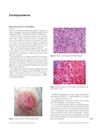 October 2010 in “International Journal of Dermatology”
 An 86-year-old man with prostate cancer was diagnosed with a rare, low-grade breast cancer and underwent surgery but declined additional hormone therapy.
 February 2024 in “Journal of dermatology research reviews & reports”
 A 50-year-old woman with breast cancer developed an autoimmune skin disorder, highlighting the need for thorough checks and team-based treatment.
1 citations
,
July 2017 in “Cancer Research” Overexpressing NSD3 in mice causes breast cancer-like tumors and gland abnormalities.
 June 2018 in “Surgical Case Reports”
 S-1 treatment led to a complete response in pancreatic cancer with manageable side effects.
6 citations
,
November 1984 in “Acta Dermato Venereologica” Hair follicles and sweat glands show different keratin staining patterns.
2 citations
,
June 2006 in “Journal of Clinical Pathology” Localized breast cancer can affect skin and hair.
July 2026 in “Journal of Investigative Dermatology” Tissue stiffness affects sweat gland development by guiding cell differentiation through specific signals.
November 2025 in “Journal of Investigative Dermatology” Mesenchymal stiffness affects sweat gland cell development.
103 citations
,
September 2004 in “Clinics in dermatology” Blocked hair follicles cause acne, and studying tiny early acne spots helps understand its severity.