 3 citations
,
February 2021 in “Experimental dermatology”
3 citations
,
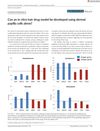
February 2021 in “Experimental dermatology” Dermal papilla microtissues could be useful for initial hair growth drug testing.
24 citations
,
January 2007 in “The FASEB Journal” Neurosteroid withdrawal increases seizure frequency in a rat model of catamenial epilepsy.
 October 2024 in “Journal of Neuroscience Research”
 Long-term Finasteride treatment reduces depression better than short-term treatment in rats.
68 citations
,
April 1965 in “General and Comparative Endocrinology” The pituitary gland controls seasonal fur color changes in weasels.
September 1999 in “Molecular Carcinogenesis” Increased ODC expression makes normally tumor-resistant mice more prone to tumor development.
 March 2015 in “Journal of Visualized Experiments”
 A new method measures mouse hair loss using shades of gray.
January 2004 in “Laboratory Animal Science and Administration” The hairless mutant gene causes early hair loss and affects skin and thymus development in mice.
34 citations
,
January 2004 in “PubMed” DHT deficiency in rats reduces sperm content and affects testis structure over time.
14 citations
,
September 2001 in “Archives of Dermatological Research” Blocking hair follicle development stops key gene signals needed for hair growth in mice.
 23 citations
,
January 2021 in “Biomedicine & Pharmacotherapy”
23 citations
,
January 2021 in “Biomedicine & Pharmacotherapy” DHT stops hair regrowth in mice, similar to human hair loss.
 8 citations
,
March 2014 in “American Journal of Pathology”
8 citations
,
March 2014 in “American Journal of Pathology” Damaged hair follicles make mice more prone to skin inflammation and skin cancer after UV exposure.
 10 citations
,
November 2015 in “American Journal of Primatology”
10 citations
,
November 2015 in “American Journal of Primatology” Monkeys with more anxious or inhibited temperaments tend to have less hair loss.
February 2024 in “International journal of molecular sciences” UV exposure reduced hair shine in mice, but minoxidil helped restore it.
9 citations
,
February 2001 in “Journal of Dermatological Science” p21waf1/cip1 and p27kip1 help in hair follicle differentiation in rats.
April 2025 in “International Journal of Clinical & Medical Case Studies” Dextroamphetamine may help treat alopecia areata.
32 citations
,
September 1966 in “Journal of Investigative Dermatology” 10 citations
,
September 2015 in “Folia Histochemica Et Cytobiologica” Finasteride treatment in male rats can reduce fertility and affect sperm development in their offspring.
February 1999 in “The anatomical record” Two mouse mutants have defective hair cuticle cross-linking.
 37 citations
,
September 2018 in “Psychoneuroendocrinology”
37 citations
,
September 2018 in “Psychoneuroendocrinology” Finasteride treatment in male rats causes long-lasting effects on depression-like behavior, brain cell growth, inflammation, and gut bacteria composition.
January 2010 in “West China Journal of Pharmaceutical Sciences” Pterocarpus indcus Willd extracts taken orally can reduce hair loss in rats.
40 citations
,
February 1946 in “Canadian Journal of Research/Canadian journal of research” Hereditary factors cause hair loss in mice by affecting skin and hair follicle structure.
 153 citations
,
January 2001 in “Science”
153 citations
,
January 2001 in “Science” Using CDK inhibitors on rats showed a reduction in chemotherapy-caused hair loss, but later experiments could not repeat these results.
April 2023 in “Journal of Investigative Dermatology” CD206+ macrophages are crucial for hair growth in alopecia areata treatment.
 March 1998 in “Journal of dermatological science”
 Diphencyprone initially increases mouse hair growth, then slows it, possibly due to changes in specific protein levels.
5 citations
,
June 1995 in “Comparative biochemistry and physiology. Part C. Comparative pharmacology and toxicology/Comparative biochemistry and physiology. C. Comparative pharmacology and toxicology” Removing mink's adrenal glands causes their summer fur to grow earlier.
January 2026 in “Dermatologic Therapy” Current models for studying alopecia are inadequate, and more human-like systems are needed.
April 2017 in “Journal of dermatological science” Researchers created a cell model to study hair growth and test hair-growth drugs.
The naked mutation in mice causes hair loss and helps identify keratin genes.
28 citations
,
September 2013 in “Biogerontology” 29 citations
,
February 2011 in “PloS one” Astressin-B can reverse and prevent hair loss in stressed mice.