Search
for
Sort by
Research
210-240 / 1000+ results
research Quantitative Models for the Study of Hair Growth in Vivoa
The conclusion is that small hair follicles cause baldness in macaques, and treatments like antiandrogens and minoxidil can prevent hair loss and promote regrowth.

research Gene Expression in Rat Dermal Papilla Cells: Analysis of 2529 ESTs
Rat dermal papilla cells have unique genes crucial for hair growth.
research Evaluation of the Hairless Rat as a Model for in Vivo Percutaneous Absorption
Hairless rats absorb substances through their skin more easily than hairy rats.
research Is the “Comb Over” Dying? A Mouse Model for Male Pattern Baldness (Androgenic Alopecia)
The mouse model suggests male pattern baldness may be due to an enzyme increasing DHT and higher androgen receptor levels in hair follicles.
research A New Humanized Mouse Model for Alopecia Areata
A new mouse model helps understand and find treatments for alopecia areata.
research Desmoglein 4 Mutations Underlie Localized Autosomal Recessive Hypotrichosis in Humans, Mice, and Rats
Mutations in the DSG4 gene cause fragile, sparse hair in humans, mice, and rats.
research High doses of cobalt inhibited hair follicle development in Rex Rabbits
High doses of cobalt stopped hair growth in rabbits.
research A Murine Model for Inducing and Manipulating Hair Follicle Regression (Catagen): Effects of Dexamethasone and Cyclosporin A
Dexamethasone speeds up hair loss in mice, while cyclosporin A slows it down.
research A novel hairless highly immunodeficient mice model optimized for in vivo imaging
The new Hairless R/J mice model improves imaging for tumor monitoring and cancer therapy evaluation.
research Development Of Hairless Laboratory Guinea Pigs : The Biological Studies
Hairless guinea pigs are useful for research in allergies, skin tests, and diseases.
research [Neurosteroidogenesis and exploratory responses in rodents].
Certain substances can decrease or increase exploratory behavior in rodents.
research The Gross Morphology and Scanning Electron Microscopic Evaluation of the Skin Surface in Congenic Strains of Hairless Mice
Hairless mice lose hair by 3-4 weeks, develop thicker, folded skin, and show pigmentation differences.
research Inducible, reversible hair loss in transgenic mice.
Scientists made a mouse that can be made to lose hair and then grow it back.
research Increased Rate of Hair Regrowth in Mice with Constitutive Overexpression of Del1
Mice genetically modified to produce more Del1 protein had faster hair regrowth.
research Defolliculated (Dfl): A Dominant Mouse Mutation Leading to Poor Sebaceous Gland Differentiation and Total Elimination of Pelage Follicles
The Dfl mutation in mice causes poor sebaceous gland function and complete hair loss.
research Development and Validation of Androgen-induced Hair Loss and Anagen Induction Mouse Models for Pharmacological Evaluation of Anti-Androgenic Agents
The mouse models are effective for testing new hair loss treatments.
research Mice lacking the epidermal retinol dehydrogenases SDR16C5 and SDR16C6 display accelerated hair growth and enlarged meibomian glands
Mice without certain skin enzymes have faster hair growth and bigger eye glands.

research Hair follicle morphogenesis and epidermal homeostasis in we/we wal/wal mice with postnatal alopecia
The we/we wal/wal mice have defects in hair growth and skin layer formation, causing hair loss, useful for understanding alopecia.
research Normalization of hair growth in sparse fur-abnormal skin and hair (SPF-ASH) mice by introduction of the rat ornithine transcarbamylase (OTC) gene
Introducing the rat OTC gene normalized hair growth in SPF-ASH mice.
research The Shaven (Sha) Mutation, Chromosome 15
The Shaven mutation in mice affects hair growth and causes a greasy coat due to abnormal lipid content.
research The mouse frizzy (fr) and rat ‘hairless’ (frCR) mutations are natural variants of protease serine S1 family member 8 (Prss8)
The frizzy mouse and hairless rat mutations are due to changes in the Prss8 gene.
research The study of improvement of hair follicle stem cells of rats in vitro culture identification and differentiation
Rat hair follicle stem cells can be effectively isolated and used for tissue engineering.
research Cyclic dynamics of hair follicles and the effect of minoxidil on the bald scalps of stumptailed macaques
Minoxidil helps grow longer, thicker hair in bald scalps of stumptailed macaques, and early treatment is more effective.
research Regional Differences in Dorsal Skin Determine the Rate of Adhesive Material-Induced Hair Regeneration
Hair regrows faster at the front than the back of mouse skin.
research Recombinant human hepatitis B vaccine initiating alopecia areata: testing the hypothesis using the C3H/HeJ mouse model
The hepatitis B vaccine did not cause hair loss in the tested mice.
research Current Protocols: Alopecia Areata Mouse Models for Drug Efficacy and Mechanism Studies
The C3H/HeJ mouse model is useful for studying and testing treatments for alopecia areata.
research Bone density is normal in male rats treated with finasteride
Finasteride doesn't affect bone density in male rats.
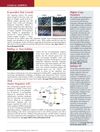
research Clinical Snippets
New treatments for hair growth and psoriasis may be possible, and gene differences could affect baldness and the severity of skin conditions.
research Bone density is normal in male rats treated with finasteride.
Finasteride doesn't affect bone density in male rats.