Search
for
Sort by
Research
660-690 / 1000+ resultsresearch Implication of microRNA regulation in para-phenylenediamine-induced cell death and senescence in normal human hair dermal papilla cells
Hair dye ingredient PPD causes cell death and aging in human hair cells by altering microRNA levels.
research A Study on Photostability of Ethyl Glucuronide in Hair Irradiated under Artificial Sunlight
Ethyl glucuronide levels in hair can change when exposed to artificial sunlight, depending on hair color and thickness.
research Canities Subita after Extreme Trauma Showing Positive Staining for Anti-PD-L1 Antibodies: A New Clue into Etiopathogenesis?
Sudden hair whitening may be linked to immune system activity.
research Impact of ultraviolet radiation‐induced damage to hair fiber integrity: A multi‐technique physicochemical characterization of surface and cortex properties
UV radiation damages hair similar to bleaching, but double bleaching causes more severe protein degradation.
research From hair colour to diagnosis
Hair color is influenced by genetics and can indicate certain health conditions.
research Colour Dilution Alopecia (CDA) in Ten yorkshire Terriers
Yorkshire Terriers with Colour Dilution Alopecia have reduced melanin and hair structure issues.
research The Relationship between Types of Hair Coloring with Hair Damages and Scalp Problems in Medical Students of University Sumatera Utara, Indonesia
Hair coloring is strongly linked to hair damage and scalp problems.
research Biochemical approach on the conservation of drug molecules during hair fiber formation
Drugs can be incorporated into hair based on their chemical properties and hair pigmentation.
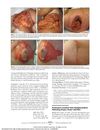
research Permanent Localized Hair Repigmentation Following Herpes Zoster Infection
Herpes zoster infection can cause permanent hair color change in the affected area.
research CHEMICAL FORM OF THE IODINE PRESENT IN THE HAIR OF THE RAT
Iodine in rat hair is linked to hair growth.
research Hair discoloration caused by minoxidil lotion
Minoxidil lotion can cause hair discoloration.
research Iron-deficient erythropoiesis in women reporting diffuse scalp hair loss.
research A new staining method for visualization of keratin filaments in hair fibre cross sections.
A new method effectively visualizes keratin in hair without harsh chemicals.
research Hair phenotype diversity across Indriidae lemurs
Lemur hair color and density vary by environment, supporting theories on primate hair evolution.
research Effect of Disulfide Bonds in Human Hair Fibers on the Melting Behavior of Their Crystalline Structure
Changing disulfide bonds in human hair affects its melting behavior and thermal stability.
research HERBAL MEHENDI GEL FORMULATION FOR SUSTAINABLE HAIR COLOURING AND SCALP CARE
The herbal mehendi gel safely colors hair and nourishes the scalp.

research Age-Related Hair Pigment Loss
Graying hair happens due to aging and might be delayed by new treatments.
research Ethnic differences in hair
research Categorization of long-lasting hair changes in patients after hematopoietic stem cell transplants
Patients often experience long-lasting changes to their hair after stem cell transplants.
research Chemical modification of keratin fibers using 2‐iminothiorane hydrochloride
2-iminothiorane hydrochloride improves hair waving permanence without damage.
research Colour cosmetics: Extraction and application of plant-based pigments in the shampoo formulation
Plant-based pigments in shampoo offer vibrant colors and scalp benefits, meeting quality standards and providing a natural alternative to synthetic dyes.

research Experimental Investigations on Hair Fibers as Diffusion Bridges and Opiates as Solutes in Solution
Hair can absorb and transfer opiates when soaked in water, with damaged hair absorbing more.
research Color-transition sign: A useful trichoscopic finding for differentiating alopecia areata incognita from telogen effluvium
The "color-transition sign" helps tell apart alopecia areata incognita from telogen effluvium by looking at hair color changes.
research Focal Scalp Hair Heterochromia in an Infant
An infant had two different natural hair colors on the scalp with no health issues.

research Effects of Hydrolyzed Keratin Contained Treatment on the Repair of Damaged Hair
K-30 treatment restores protein and weight in damaged hair, making it similar to healthy hair.
research Towards a “free radical theory of graying”: melanocyte apoptosis in the aging human hair follicle is an indicator of oxidative stress induced tissue damage
Oxidative stress causes hair to gray by damaging and killing pigment cells.
research Photoinduced formation of thiols in human hair
UV exposure damages hair, increasing thiols and altering protein structure.
research Hair and nail disorders
Hair and nail disorders can cause changes in scalp pigmentation, especially with sun exposure and alopecia.
research Anomalous Fluorescence of White Hair Compared to Other Unpigmented Keratin Fibres
White hair has weaker tryptophan fluorescence than other unpigmented fibers, possibly due to UV exposure or unknown substances.